
This principal left his mark on NC and on knuckleheads like me | Opinion
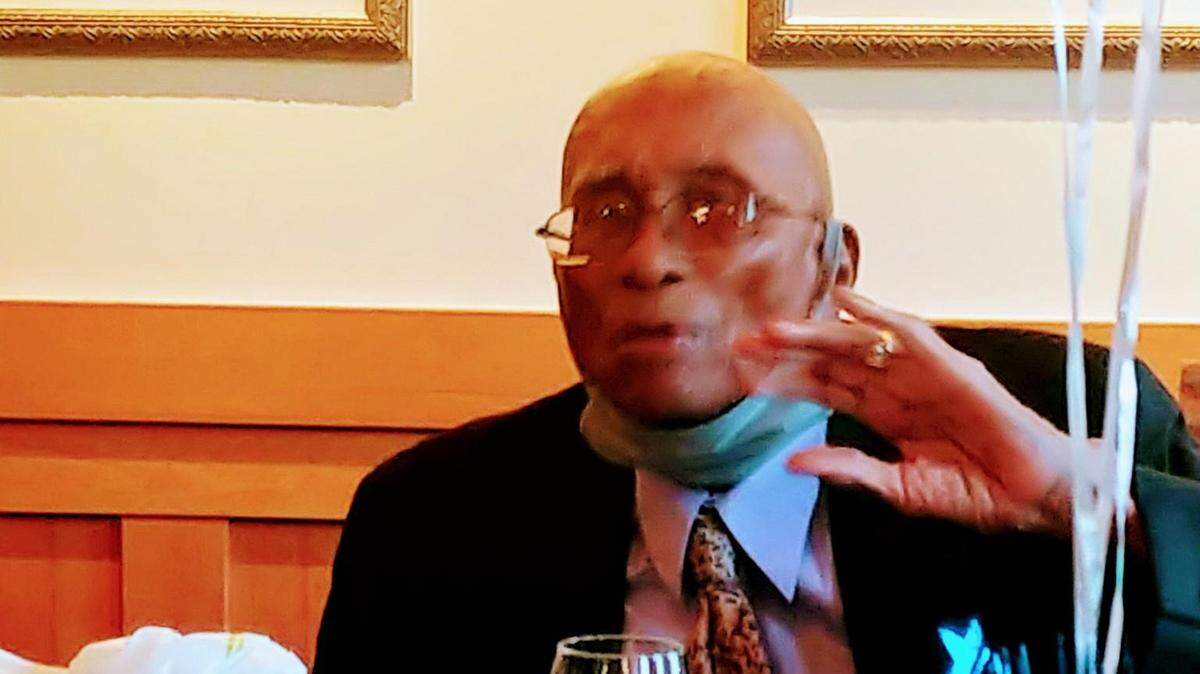
It’s not my proudest moment.
It may actually be my least-proud moment, now that I think about it.
As was my wont as a teenager in Rockingham, I’d broken into the gym at Leak Street School for about the 892nd time to work on the basketball skills that would surely take me to riches and fame.
As was his wont, school principal J.C. Watkins showed up and chased my mates and me out. While fleeing, we wondered aloud why he didn’t just let us have the run of the gym and spend our whole lives in there.
My answer?
“He’s an Uncle Tom.”
To my everlasting shame, he heard me.
“That’s alright, Barry,” he replied without rancor, picking out my distinctive drawl from the din of the other voices. “I’ll be an Uncle Tom, but one day you’re going to find out there’s more to life than basketball.”
What nonsense, I thought. There will never be anything in the world more important than basketball.
Having now not attempted a jump shot in two months — and before that two years — I can attest that Mr. Watkins was right: There are more important things in life than basketball.
Here’s something else to which I can attest: There has never been a more important human being in the history of Richmond County than James Clyde Watkins.
He died Monday at 100, but not before leaving a mark on Richmond County that I’m betting will never be surpassed.
He was an educator for 43 years and principal of Leak Street School when it ran from the first through 12th grades. He later served as the first Black city council member and the second Black county commissioner.
And to think, he did all of that while having to navigate between knuckleheads like me on one side who didn’t appreciate the educational opportunities he helped create for us and forces on the other side that saw no need for us to be educated at all.
My education began in a beloved segregated school (It’s OK to say that, isn’t it?) and finished at an integrated one. Richmond Senior High School, from which I graduated, was a steel, brick and glass architectural marvel when it opened in 1973, and I met people there of different races who remain cherished friends five decades later.
One of those white friends is Gene McLaurin, a former schoolmate and teammate after integration came to the city. He was the first person to notify me of Mr. Watkins’ death. McLaurin, a former Rockingham mayor and state representative, called him “a trailblazer in civil rights who helped integrate our schools… For me, he was a mentor and advisor.”
McLaurin and I could recall blessedly few instances of racial violence in Rockingham accompanying school integration, and “much of that peace can be attributed to people like Mr. Watkins,” who served as a conduit between the races, he said.
Bill Futterer, owner of WAYN-AM radio, called that “an accurate portrayal of him, but his significance goes beyond that. He’s an institution not just in education, but in politics.” He noted that Watkins served three decades in city and county politics.
As an educator, he wasn’t one of those bullhorn-totin’, swaggering principals patrolling the hallways with a baseball bat like that clown in the movie “Lean on Me.”
In the decades I knew him, I never heard him raise his voice. He didn’t have to.
Even if he doesn’t make a history book, people like Mr. Watkins were essential to moving this country forward. Just try to imagine what this country would look like today without unsung people like him fighting peacefully to ensure that America would live up to its creed.
On second thought, don’t.
Late into his 90s, he was still motorvating around, registering voters — he reportedly helped future N.C. Supreme Court Justice Henry Frye register to vote — ensuring that food banks had enough vittles, being a steadying, comforting presence.
Mr. Watkins heeded the counsel of poet Dylan Thomas: he did not go gentle into that good night. And we’re all the better for it.