
The first order of business for the GOP’s new U.S. House majority – protect the tax cheats | Opinion
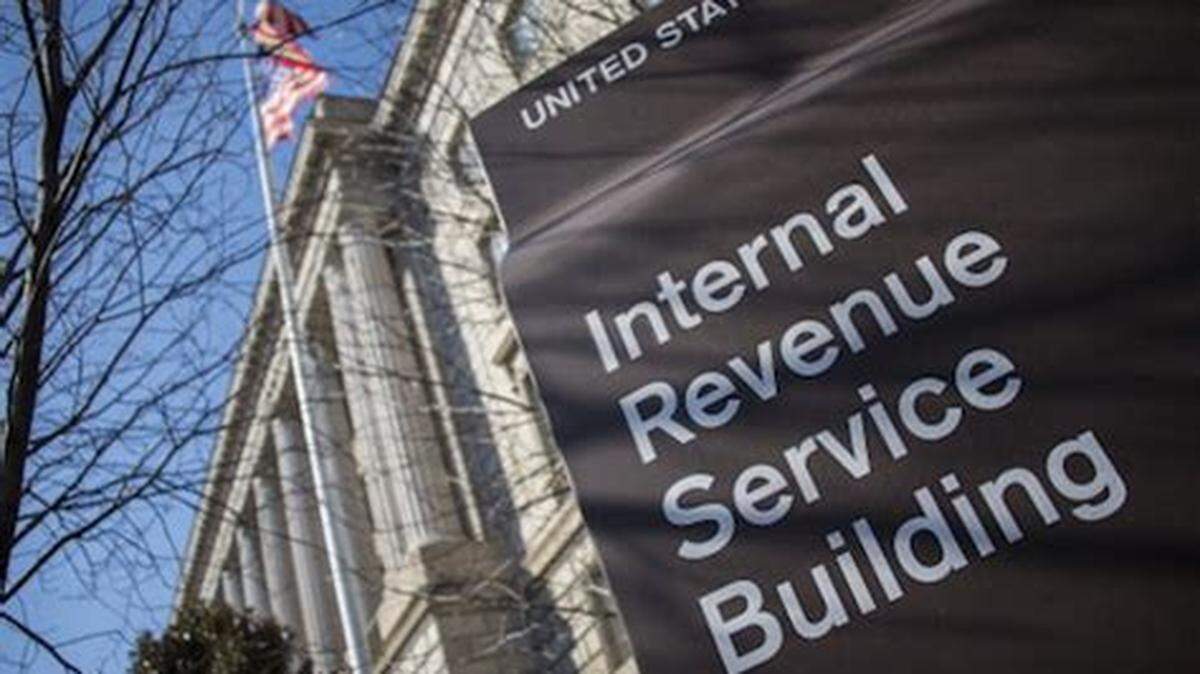
Carved in stone above the main entrance to the Internal Revenue Service Building in Washington, D.C., is this quote from a Supreme Court opinion written by Justice Oliver Wendell Holmes, Jr.: “Taxes are what we pay for a civilized society.”
Now it appears Republican U.S. House members think that a civilized society – a just, equitable and compassionate society – is not worth that price. That’s the only way to read their vote on Monday to rescind nearly $71 billion of the $80 billion in additional funding that Congress provided the Internal Revenue service (IRS) under the Inflation Reduction Act. The investment will help ensure that businesses and wealthy individuals pay the taxes they owe.
All of North Carolina’s Republican House members joined in a party-line vote to cut the IRS funding. It was the Republicans’ first legislation since they took control of the House in the midterm elections. After the vote, the GOP members rose and applauded.
The legislation is strictly symbolic. The Democratic-controlled Senate won’t take it up. But the vote is still depressingly significant. It’s a message that Republican House members – many of whom were willing to reject the results of a fair and free 2020 presidential election – now also reject a fundamental obligation of good citizenship: obey the law by paying your taxes.
The GOP regards paying taxes not as a way of supporting the nation, but as an obligation to be avoided. They’re not shy about it. When Hillary Clinton said during a 2016 presidential debate that Donald Trump, an alleged billionaire, paid no taxes, Trump leaned into the microphone and interjected, “That makes me smart.”
The former president’s tax returns from 2015 to 2020 have since come to light, and his tax payments were paltry. In 2016 and 2017, Trump and his wife Melania paid only $750. In 2020, the Trumps claimed a $5.47 million refund.
A review of IRS audits, shows a decline in audits since 2010 with the sharpest drop involving the highest earners.
Republicans say their opposition to more money for the IRS is not about protecting tax dodgers. They oppose the boost because they say it will support the hiring of 87,000 new IRS agents, who they claim will hound small businesses and probe conservative groups that have tax-exempt status.
These complaints are groundless. The new hires at the IRS will not be all agents, but employees across the board. Many of them will replace more than 50,000 employees who are nearing retirement.
Meanwhile, investigations of the IRS found that the agency was reviewing conservative and progressive groups alike to determine whether they were abusing their tax-exempt status – and some were. That’s the kind of oversight the IRS should be doing.
As for the possibility of hounding small businesses and ordinary taxpayers, the Biden administration has pledged that the changes at the IRS won’t increase audits for small businesses or households earning less than $400,000.
The IRS is understaffed, underfunded and running on outdated technology. Paper returns pile up, refunds are delayed, ordinary taxpayers can’t get through for help and tax cheats slip past unchecked.
The agency needs a strong funding boost not only to be more fair and efficient, but to ensure that the government collects all the revenue that it should under the law. The Congressional Budget Office (CBO) estimates that the investment to improve IRS operations will generate $180 billion in revenue over 10 years. Rescinding the funding under the Republican bill, the CBO said, would increase the federal deficit by $114 billion through 2032.
Newly elected House Speaker Kevin McCarthy of California, in what is likely to be the first of many oddly reasoned statements, said he opposes more funding for the IRS because, “The government should be here to help you, not go after you.”
The government’s ability to help is hindered if it doesn’t “go after” corporations and high earners who illegally choose not to pay the price of civilization.
BEHIND THE STORY
MOREWhat is the Editorial Board?
The Charlotte Observer and Raleigh News & Observer editorial boards combined in 2019 to provide fuller and more diverse North Carolina opinion content to our readers. The editorial board operates independently from the newsrooms in Charlotte and Raleigh and does not influence the work of the reporting and editing staffs. The combined board is led by N.C. Opinion Editor Peter St. Onge, who is joined in Raleigh by deputy Opinion editor Ned Barnett and in Charlotte by deputy Opinion editor Paige Masten. Board members also include Observer editor Rana Cash and News & Observer editor Nicole Stockdale. For questions about the board or our editorials, email pstonge@charlotteobserver.com.
This story was originally published January 10, 2023 at 10:26 PM with the headline "The first order of business for the GOP’s new U.S. House majority – protect the tax cheats | Opinion."