
Consumers need this watchdog agency. Don’t let Congress defang it. | Opinion
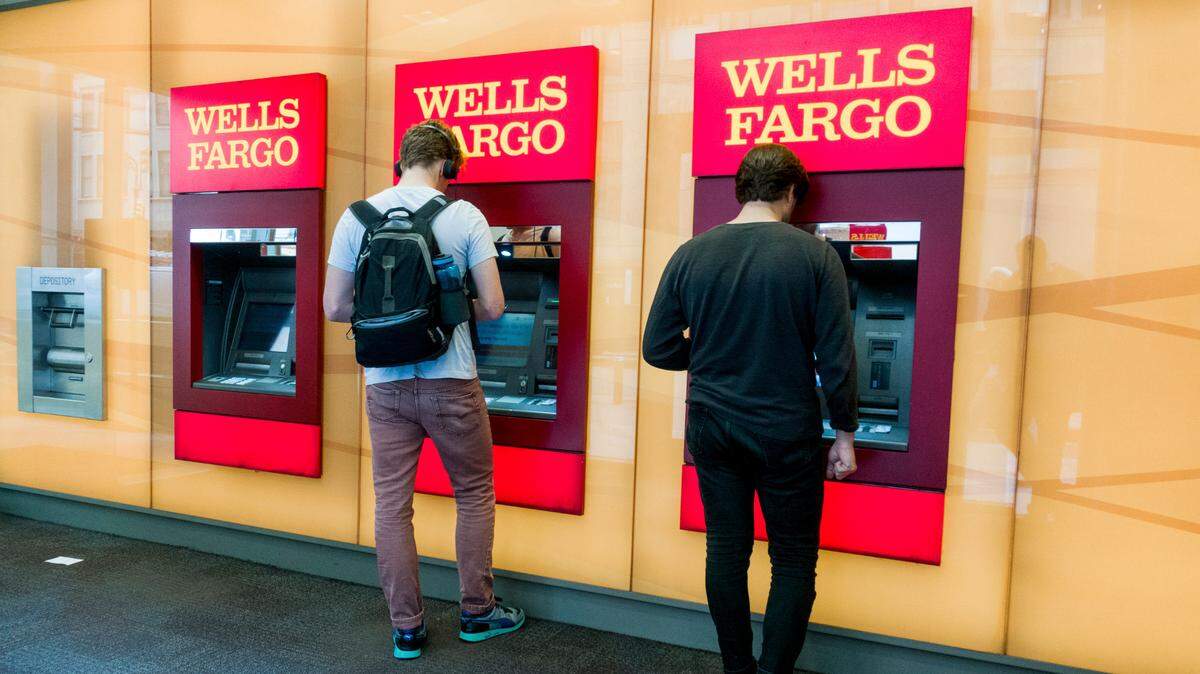
Right before Christmas, news broke that for years Wells Fargo had engaged in various illegal practices, including wrongful home foreclosures, vehicle repossessions and fees.
The Consumer Financial Protection Bureau (CFPB) ordered Wells to pay $3.7 billion for a fine and redress, which provides compensation for millions of harmed consumers, changes bank practices, and shows why we need the consumer bureau. Congress should not undermine funding for the CFPB, the only government agency dedicated to defending consumers from financial malfeasance.
Before the 2008 Financial Crisis, predatory lending was rampant.
Predatory lending caused the Great Recession, costing millions of Americans their homes, jobs and savings. Foreclosures exceeded my organization’s projection of over 2 million homes lost, which industry derided as “absurdly pessimistic.”
In 2010, Congress enacted the Dodd-Frank Wall Street Reform and Consumer Protection Act, which established the CFPB. Among its successes, CFPB implemented reforms that protect borrowers from foreclosure, including the requirement that lenders only issue mortgages after verifying borrowers could afford their loans. CFPB secured monetary relief for over 100 million people harmed by illegal financial practices and record-setting court settlements over discrimination.
As with most federal financial regulators, CFPB funding is independent of annual congressional appropriations. The Federal Reserve, FDIC, and Office of the Comptroller of the Currency are all independently funded. Importantly, these three are prudential regulators, meaning their focus is the safety and soundness of banks.
An appeals court recently declared CFPB funding unconstitutional, despite independent funding long existing at many agencies. The ruling is being appealed to the Supreme Court which should reverse it.
Without waiting to hear what the Supreme Court has to say, lobbyists are telling Congress the CFPB can only be saved by ending its independent funding, which would enable lobbyists to use their clout to render it ineffective.
The Congress that enacted Dodd-Frank found “assurance of adequate funding, independent of the Congressional appropriations process, is absolutely essential to the independent operations of any financial regulator.” Congress found “repeated Congressional pressure” through this process limited the effectiveness of the former regulator of Fannie Mae and Freddie Mac. The companies collapsed in 2008.
Similarly, the Securities and Exchange Commission and Commodity Futures Trading Commission are chronically underfunded.
Also, industry uses annual congressional appropriations as leverage over regulation. In 2014, bank lobbyists inserted into a government funding bill a measure weakening derivatives regulation. At the time, Republicans controlled the House and Democrats held the Senate and White House — the same as today.
Through enactment of Dodd-Frank, Congress wisely consolidated consumer protection within the CFPB and shielded it from the finance lobby’s influence over annual congressional appropriations. These features are essential for the consumer bureau to do its job.
Unless Congress is nostalgic for rampant predatory lending, it should not defang this consumer watchdog absent a Supreme Court decision requiring such an unprecedented result.