
Editorial board’s opposition to this UNC System initiative is wrong-headed. | Opinion

In my five-year professional relationship with McClatchy’s North Carolina editorial board, I’ve found its members to be accepting of diverse perspectives and open to critical, even hostile, counterpoints. That my peers express surprise when I say this doesn’t make it any less true.
That experience built in me a certain respect for the board’s willingness to engage with criticism. Dissent, in my view, is foundational to free inquiry.
That the board would risk denying faculty the same privilege by opposing a University of North Carolina System initiative strikes me as wrong-headed. So too does the board’s presumption that UNC System leaders possess ulterior and unspoken motives in advancing policies to defend intellectual diversity. Let’s take each in turn.
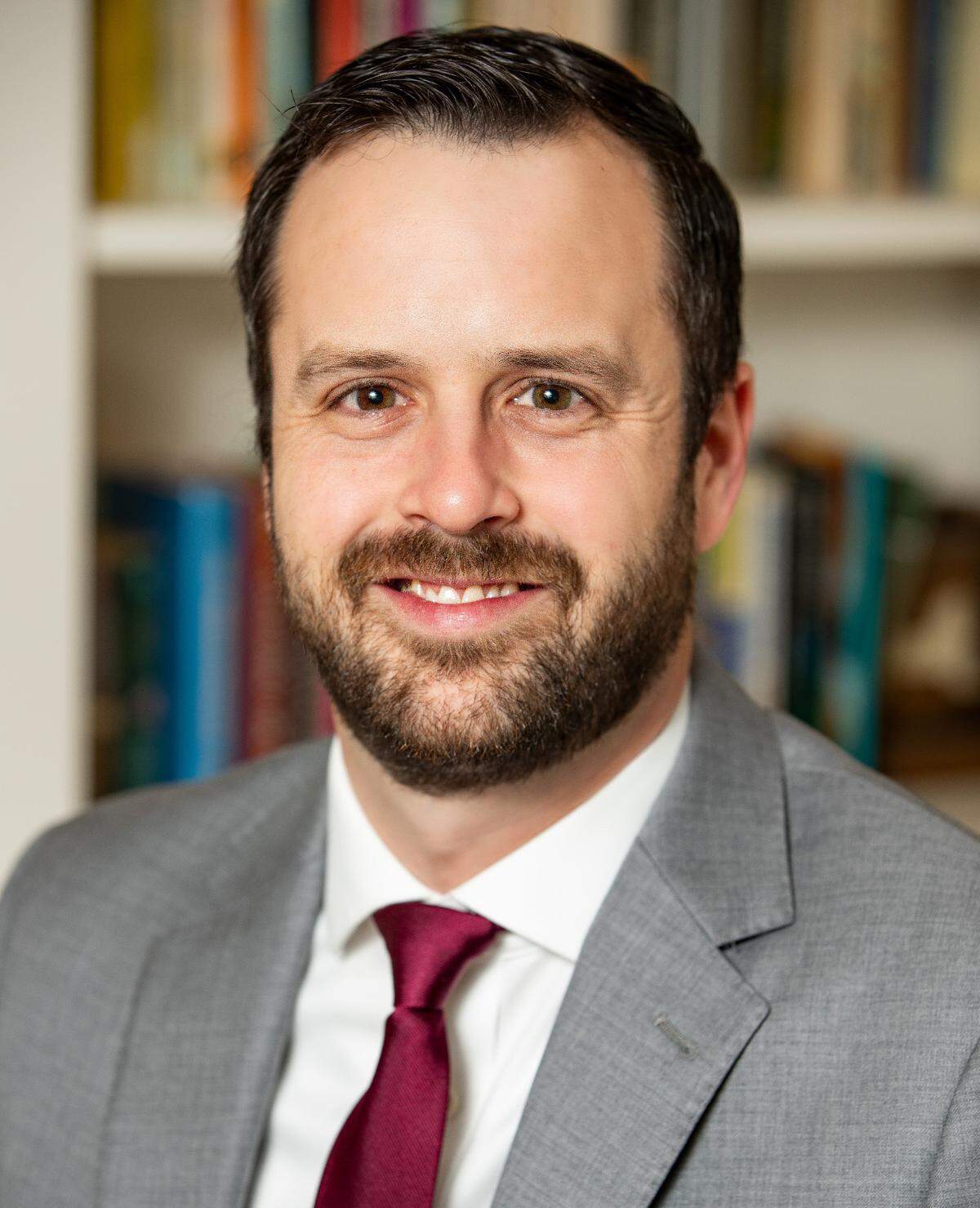
In January, the UNC Board of Governors proposed a resolution to prohibit “compelled speech” — that is, to block UNC System schools from requiring faculty to profess adherence to certain doctrines when applying for jobs or seeking tenure.
This paper’s editorial board argued the policy is a solution in search of a problem, and that faculty “are not being denied admission, jobs or career advances” if they hold the wrong political views.
But the practice the proposal addresses is well-documented.
The UNC School of Medicine in 2021 changed its policies to require tenure-seeking faculty to outline their actions in support of social justice.
N.C. State’s agricultural school wrote last month that it intends to “integrate (Diversity, equity and inclusion policies) into hiring and evaluation processes,” and the school recently required applicants to a microbiology professorship to submit an essay outlining their commitment to antiracism doctrine.
I wrote a column last year about UNC’s Gillings School of Global Public Health premising career advancement on performance in “antiracism” and “equity” trainings. The list goes on.
Princeton University’s Keith Whittington told the Economist earlier this month, “There are a lot of similarities between these diversity statements as they’re being applied now and how (McCarthy-era) loyalty oaths worked.”
Harvard University’s Janet Halley labeled the practice “forced speech and viewpoint discrimination.”
One wonders how the editorial board can conclude this concern doesn’t even exist given the examples listed above.
An informal standard I’ve adopted examines whether professors at other institutions who are outspoken opponents of social justice dogma would qualify for career advancement under the policies adopted by some UNC System schools. If not, those policies need to be scrapped.
For example, Columbia University’s John McWhorter, who is Black, dissented from antiracism doctrine in his book, Woke Racism: “It is losing innocent people their jobs. It is coloring academic inquiry…Third Wave Antiracism forces us to pretend that performance art is politics. It forces us to spend endless amounts of time listening to nonsense presented as wisdom, and pretend to like it.”
If McWhorter wrote that in response to the antiracism prompt in N.C. State’s job posting, do you really think he would be hired?
That’s the problem the UNC Board of Governors seeks to resolve.
I’ve searched for a rebuttal to the Board of Governors proposal that grapples with this reality and addresses head on the question, “Why are social justice prompts from universities proper, and why don’t they violate principles of academic freedom?”
I haven’t yet found it.
Instead, opponents assert ulterior and unspoken motives. This paper’s editorial board called conservatives “snowflakes” and claimed the proposed policy is “really about protecting the tender feelings of conservatives” and “owning the libs.”
Declining to engage with the substance of this issue doesn’t advance the conversation, but cheapens it.
Enforcing ideological litmus tests on university faculty presents serious questions that deserve robust debate.
In my view, universities should facilitate discussion of multiple perspectives. Worldviews based in Enlightenment-era liberalism are just as valid on a university campus as worldviews based in critical theory and everything in between.
The Board of Governors rightly seeks to restrain campus administrators from answering, rather than debating, the question of how best to view the world.
Dissents welcome.