
Changes proposed for NC’s infant surrender law are flawed | Opinion
Welcome to NC Voices, where leaders, readers and experts from across North Carolina can speak on issues affecting our communities. Send submissions of 350 words or fewer to opinion@charlotteobserver.com.
Changes needed to safe surrender law
Nia Johnson is a visiting assistant professor at Duke University. Lori Bruce is a bioethicist at Yale University.
Due to recent restrictions in reproductive rights Infant abandonment rates are rising across the nation.
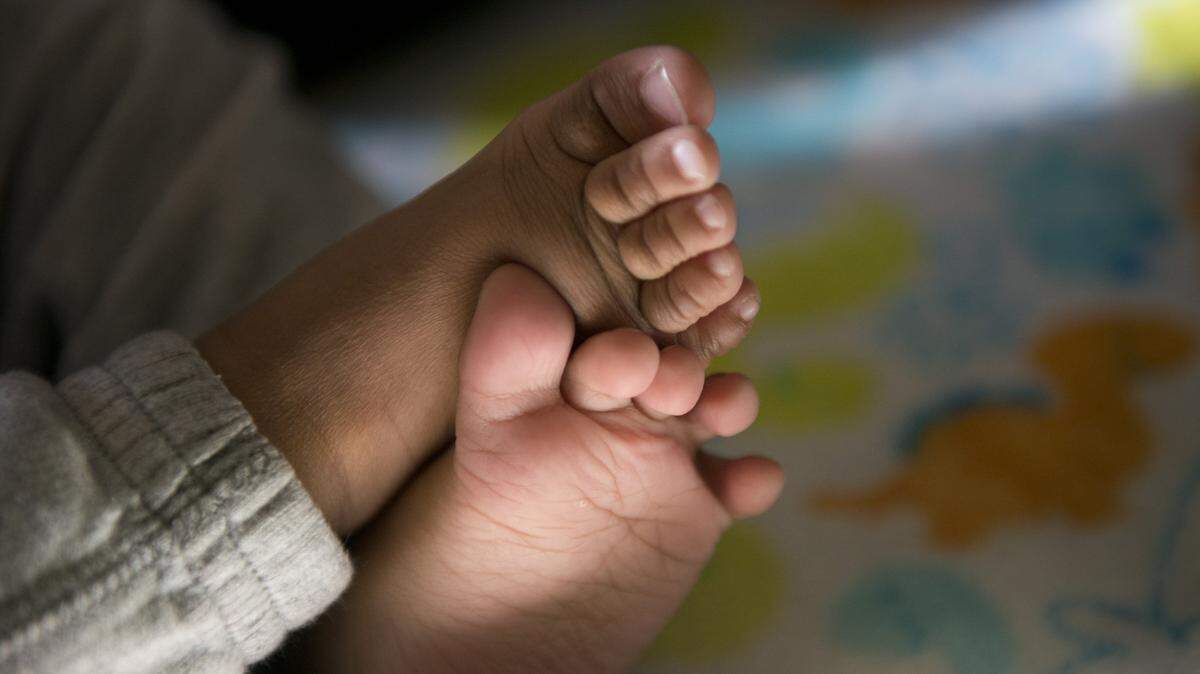
When women are forced to carry a pregnancy to term, some may feel they have no other option but to abandon their infant. As restrictions on reproductive rights increase in North Carolina, infant abandonment cases are expected to rise.
In January, the N.C. Senate unanimously passed Senate Bill 20, which adds limitations to the state’s infant abandonment law — reflecting a lack of understanding about the needs of at-risk women. As written, the bill requires a face-to-face meeting between the surrendering parent and a police officer, firefighter, healthcare provider, or social service worker. However, these settings aren’t known for consistently creating trust with community members.
There is distrust of social services, reflected in the alarming cases of the state terminating parental rights under dubious claims. Within healthcare, many rural N.C. women feel their health needs are forgotten. For some members of the community, N.C. fire stations and police departments also don’t feel safe.
These laws should be written with input from local women’s groups, churches, health clinics, and immigrant communities. Mobile crisis response teams might be preferable. They could meet the parent at any location, assume temporary custody of the infant, then link the surrendering parent with neighborhood health and counseling resources.
Civilian responders or community health workers may be other trusted options. A successful law would have asked, where might community members feel safe if they had to surrender their infant?
If an infant shows signs of neglect or abuse, the parent isn’t immune from prosecution. But a parent in distress shouldn’t be faced with jail time when trying to bring a baby to safety, so the “neglect” clause should be stricken.
Similarly, at-risk women shouldn’t be forced to give birth on their own to preserve their anonymity. This endangers their lives and the infant’s, so the state should allow the option of anonymous birth. When governments offer anonymous birth — and ensure awareness through media campaigns — rates of unsafe abandonment drop.
With any of these achievable modifications, North Carolina would set a national standard for promoting the care of children and families.
Nia Johnson
Lori Bruce
Pandemic promises are being broken
The writer is a Parent Advocate with Every Child NC.
Adults and elected officials in North Carolina made serious promises to kids and to the public that when the pandemic was over, things would change.
We promised to rebuild anew. The George Floyd protests called out for the systems of oppression to be dismantled. We talked openly about mental health and the need for social emotional learning in schools. In some cases, we increased access to mental health services and added temporary funding grants to public schools.
We began to see stimulus policies that were helpful to many people. The child tax credit assisted many families. We had universal meals in schools, and we had help for our struggling childcare centers. We even began to really talk about student loan forgiveness and raising teacher pay. We talked about funding schools more equitably to decrease disparities made even more apparent by the pandemic.
Despite the popularity of many of these ideals and policies, we’re watching some be dismantled. Rather than help the most vulnerable, some N.C. lawmakers and others are seeking to enact harmful policies such as North Carolina’s version of the Don’t Say Gay bill, anti-CRT legislation, and book bans.
As a society and a state, we promised to change things for the better, to care for the mental health of others. We’re not living up to that promise.
Our failure to keep moving forward toward a better society plays a significant factor in our overall mental health. The good news is that it’s not too late. As a society, we still can reject the hateful backlash and move forward with policies we know help so many.
Susan Book, Cary