
This heritage act bill is an insult to NC students and their teachers | Opinion
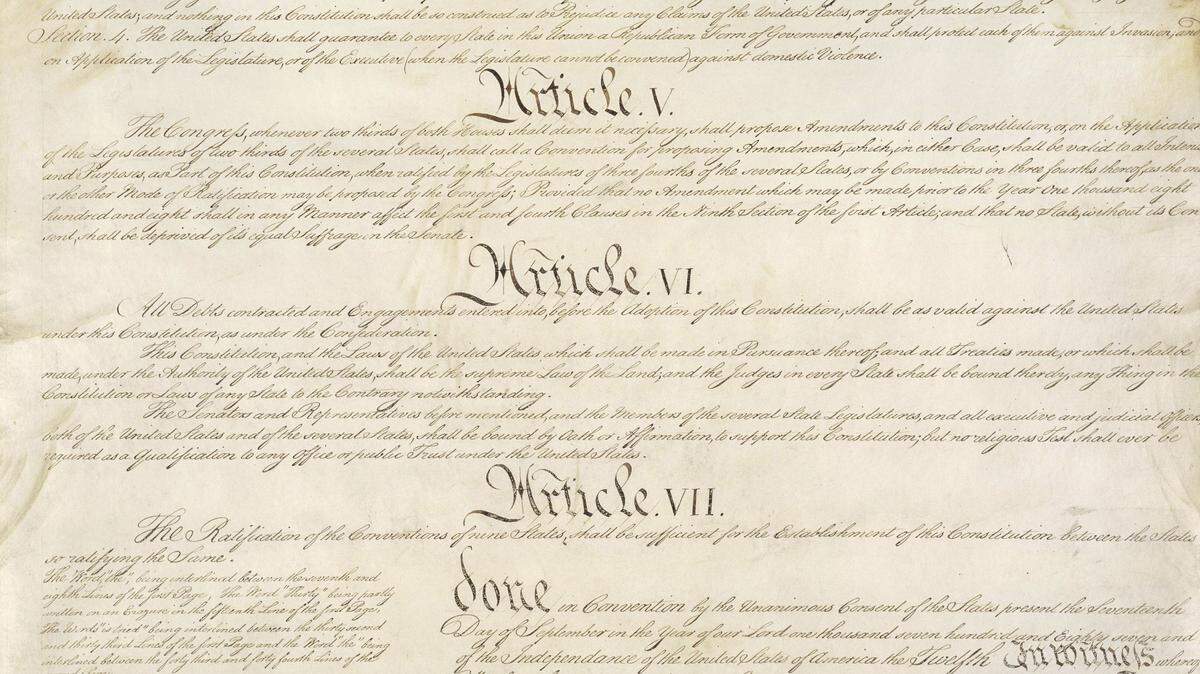
I am a U.S. History professor at the University of North Carolina-Chapel Hill. I teach the Declaration of Independence in my classes. I require my students to read it, along with the U.S. Constitution.
I teach them about Alexander Hamilton’s and James Madison’s arguments for the Constitution in the Federalist Papers. I lecture on Abraham Lincoln at Gettysburg, on the Emancipation Proclamation, and on North Carolina’s state constitutions. I believe that these documents are fundamental to understanding American history and that learning how the U.S. government works is essential to being a good citizen in our democracy. I tell my students that too.

Therefore it’s the word “Reclaiming” in the title of N.C. House Bill 96 that I find most objectionable about the bill.
As proposed, the NC REACH Act requires completion of a course in American government to get a bachelor’s degree from the UNC System or an associate’s degree from a community college. By law, that course would include reading and being tested on specific documents from U.S. and North Carolina history.
NC REACH stands for “Reclaiming College Education on America’s Constitutional Heritage,” but the idea that the Constitution needs to be reclaimed in college education is false. At UNC system schools, we count on our students already knowing the basics of American government and our founding documents. Every North Carolina senior is required to pass the high school course “Founding Principles of the United States of America and North Carolina: Civic Literacy,” in addition to civics units in earlier K-12 years also required by the state.
At UNC-CH, over 80% of incoming freshman are from North Carolina, and the numbers at the other system schools are even higher. The vast majority of our students have already been taught, as the State Board of Education’s standards require, “how the judicial, legal, and political systems of North Carolina and the United States embody the founding principles of government,” learning intended to “inform and nurture responsible, participatory citizens who are competent and committed to the core values and founding principles of American democracy and the United States Constitution.”
In college, students can deepen their knowledge of U.S. history, government and politics in classes of their choice. Some of these classes have titles that some state legislators find objectionable, but they are all electives. Students are free instead to choose courses including my “The American Revolution” and “American History to 1865,” which I teach to hundreds of students every year. There they read these documents again, as well as many more. I even read aloud from the Declaration of Independence in several lectures.
Like so much in politics, the claim that North Carolina college students don’t understand our government or our history is a red herring. I’m in the classroom with them, and they know and care about the past, present and future of the United States and North Carolina. Most of them are already active citizens. The NC REACH Act is an insult to them as well as to their high school and college teachers.