
On NC abortion ban, the devil is in the details - and those details threaten lives | Opinion
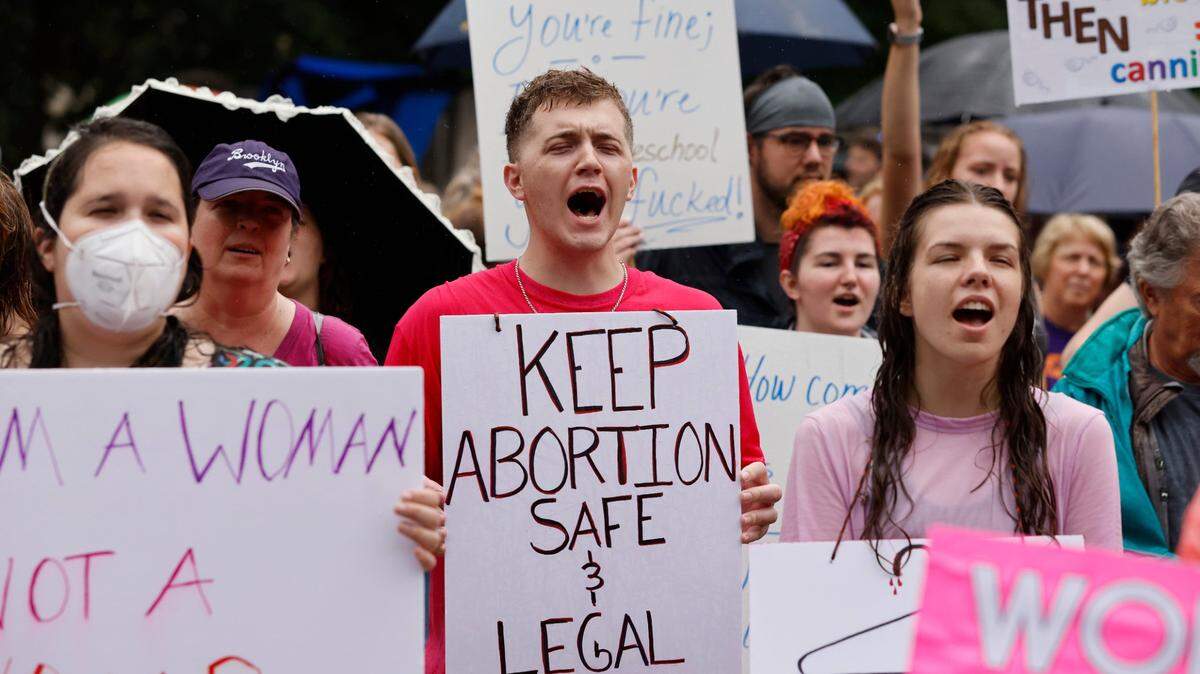
This week, North Carolina’s Republican legislative leaders announced a plan for a ban on abortion after 12 weeks of pregnancy, with a few exceptions, most notably for cases of rape, incest, fetal anomaly, and a threat to the mother’s life.
This preserves access to abortion for the vast majority of North Carolina women, as close to 90% of abortions take place in the first 12 weeks, according to CDC data. After that, though, the devil — and women’s lives — are really in the details.

In state after state that has restricted abortion access except for threats to the mother’s life, we have seen women placed in extreme life-threatening situations when a pregnancy goes wrong (as, unfortunately, happens on a regular basis).
However, the reality is that the vast majority of abortions after 12 weeks are not abortions “of choice” where a woman has simply decided against a pregnancy. Rather, most abortions after 12 weeks stem from a pregnancy that is severely impaired or threatens the woman’s well-being.
Though restrictive abortion legislation often pretends otherwise, the line between a threat to a mother’s “health” and her “life” is often far from clear. There have been cases where women were told they would literally need to hemorrhage for another day or two until their life was in imminent danger.
Or, consider a case where a pregnant woman faces a 5% risk of kidney failure in continuing a pregnancy. I cannot imagine too many legislators would want to be denied a potentially life-saving medical procedure in a situation like that, deeming it only about “health” rather than “life.”
We have also seen cases in other states where it seemed like the threat to the mother would probably mean the abortion would be legal, but physicians and hospital lawyers have been afraid to take the necessary life-saving steps for fear of criminal prosecution. An effective law that protects women must leave no doubt for medical providers that they can step in to protect a woman’s health during a pregnancy in crisis.
I teach my public policy classes at North Carolina State University that every policy has trade-offs, and crafting exceptions to a 12-week abortion ban is no different. Many abortion ban proponents want to narrowly tailor these exceptions to prevent “unworthy” pregnant women (i.e., those seeking an abortion for reasons other than rape, incest, birth defect, or threat to her own life) from obtaining an abortion after 12 weeks. The undeniable reality — that we have already seen in other states — is that narrowly tailored exceptions consistently place women’s lives at risk during difficult pregnancies.
In contrast, restrictions that very clearly protect pregnant women may well mean that some “unworthy” women who weren’t really in danger get an abortion, but that is absolutely a necessary consequence of a law that offers robust safeguards for women with complicated and potentially dangerous pregnancies.
In their zeal to protect fetal life, Republican legislators must ensure that they are not crafting policies that will lead to the deaths of women in North Carolina.
This story was originally published May 4, 2023 at 8:29 AM.