
With new voting bill, NC Republicans take another swing at democracy | Opinion
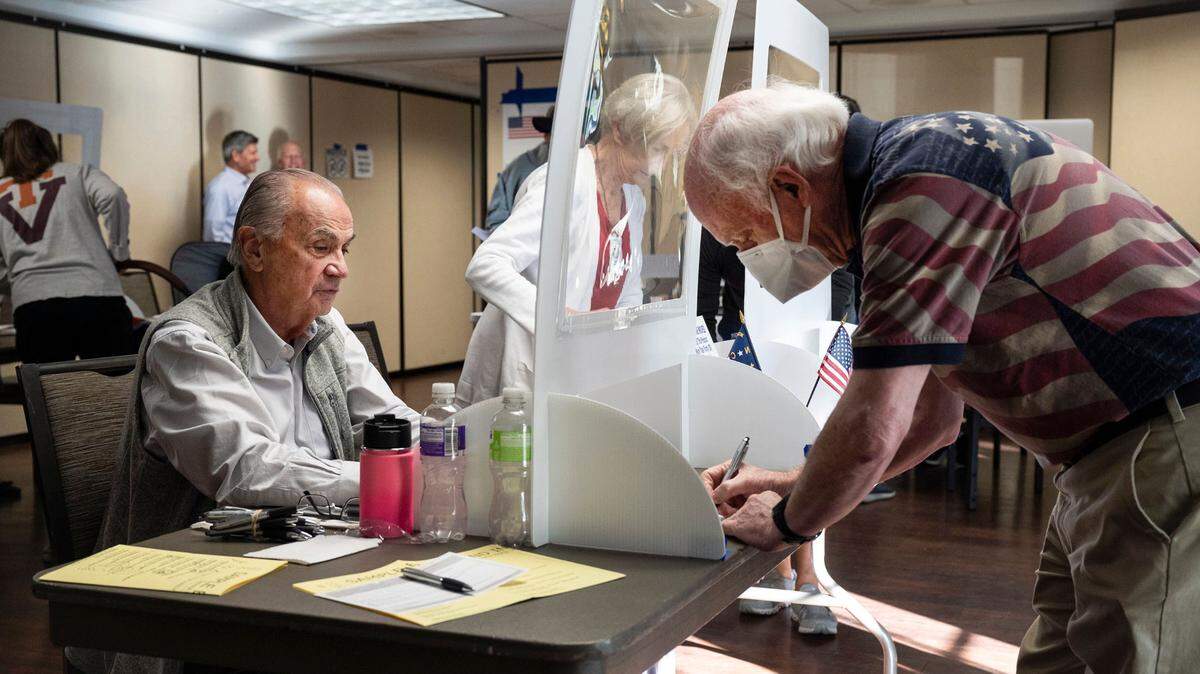
Freshly armed with a supermajority in the state legislature, North Carolina Republicans are picking up an old tactic: making it harder to vote.
Republican lawmakers rolled out a bill Thursday that would make sweeping changes to state election laws. The proposed legislation tightens existing rules governing mail-in voting, same-day voter registration and other aspects of election administration.
Parts of the bill, such as changes to absentee ballot deadlines, look familiar. The bill would require absentee ballots to be received by 7:30 p.m. on Election Day in order to be counted — a proposal vetoed by Gov. Roy Cooper numerous times in recent years. Currently, there is a three-day grace period for mail-in ballots to be received, as long as they’re postmarked on or before Election Day. That grace period was enacted in 2009 with unanimous support. A provision that links jury excuses to voter registration rolls has also received Cooper’s veto in the past.
The bill includes other unnecessary and burdensome requirements, such as signature verification software and “two-factor authentication” for absentee ballots and provisional ballots for same-day voter registration (which could later be challenged or thrown out).
It appears lawmakers may have taken a few pages out of the playbook of Cleta Mitchell, a Republican legal strategist who aided Trump in his scheme to overturn the 2020 election and now traverses the country training a “volunteer army of citizens” to aggressively monitor elections.
The bill would give those citizens even more tools to obstruct legitimate votes. It would allow for public inspection of absentee ballot envelopes and permit anyone to file a formal challenge to a voter’s absentee ballot.
Earlier this year, Mitchell referenced North Carolina in a presentation to top GOP donors, saying she thinks “we can fix a few things” in the state under the new Republican supermajority. In fact, Republican lawmakers reportedly met with Mitchell in recent weeks, though they deny that she had any role in actually drafting the bill.
In a press release, Senate Republicans claimed the bill is necessary because polling shows only 50% of North Carolinians believe elections will be free and fair. But the same poll found that only 31% of respondents believe they won’t be — and it doesn’t specify why they have doubts about our elections, either.
Besides, the reason that voters don’t have faith in our elections could be because so many politicians imply that they shouldn’t, with bills like these that profess to solve a problem that never existed in the first place. Data shows that Republican voters are far more likely than Democrats to distrust election results. Such concerns might begin to fade if GOP leaders spent more time disproving conspiracy theories instead of promoting them. There is simply no evidence of widespread voter fraud in North Carolina, and making it harder to vote certainly won’t make elections any freer or fairer.
The biggest threat to our elections is bad actors who seek to interfere with or spread conspiracies about the outcome. According to a recent report, North Carolina is at “moderate risk” for election denial due to a lack of policies that guard against attempts to subvert an election. This bill does nothing to protect against that threat, but rather allows it to loom even larger.
While the bill purports to be aimed at building voter confidence, its chief purpose is to exert undue amount of influence over who can vote — as well as when, where and how they may do so. In an interview with WRAL, Jim Womack, a Republican Party leader who leads the North Carolina arm of Mitchell’s “election integrity” effort, didn’t exactly hide his intentions.
“There was an argument that said it’s a good thing for conservatives if more people vote,” Womack told WRAL. “I fundamentally disagree with that.”
Another unfortunate consequence of this bill is the additional burdens it would place on election officials, who are already overworked and racing to implement voter ID requirements ahead of municipal elections this fall. It also would prohibit county boards of elections from receiving grants to fund election administration, even as many of them face mounting challenges due to a consistent decline in funding.
This bill should be an affront to anyone who believes in the right to vote. But given national trends and North Carolina’s history of voter suppression, it isn’t a surprise — it’s just another example of the Republican Party looking for ways to cling to power.
BEHIND THE STORY
MOREWhat is the Editorial Board?
The Charlotte Observer and Raleigh News & Observer editorial boards combined in 2019 to provide fuller and more diverse North Carolina opinion content to our readers. The editorial board operates independently from the newsrooms in Charlotte and Raleigh and does not influence the work of the reporting and editing staffs. The combined board is led by N.C. Opinion Editor Peter St. Onge, who is joined in Raleigh by deputy Opinion editor Ned Barnett and in Charlotte by deputy Opinion editor Paige Masten. Board members also include Observer editor Rana Cash and News & Observer editor Nicole Stockdale. For questions about the board or our editorials, email pstonge@charlotteobserver.com.