
The Titanic wreck led to safer seas. Maybe the Titanic tourist sub will, too. | Opinion
In London on Jan. 20, 1914, just shy of two years since the RMS Titanic was lost in the North Atlantic, an international convention produced an agreement to provide uniform rules for the “Safety of Life at Sea.”
Signed by nations from around the world, the SOLAS Convention is regarded as the most important of all agreements concerning the safety of ships at sea. It called for sufficient lifeboat capacity on board ships, lifeboat drills, 24-hour radio monitoring, standards in ship construction, and requirements to aid in lifesaving.

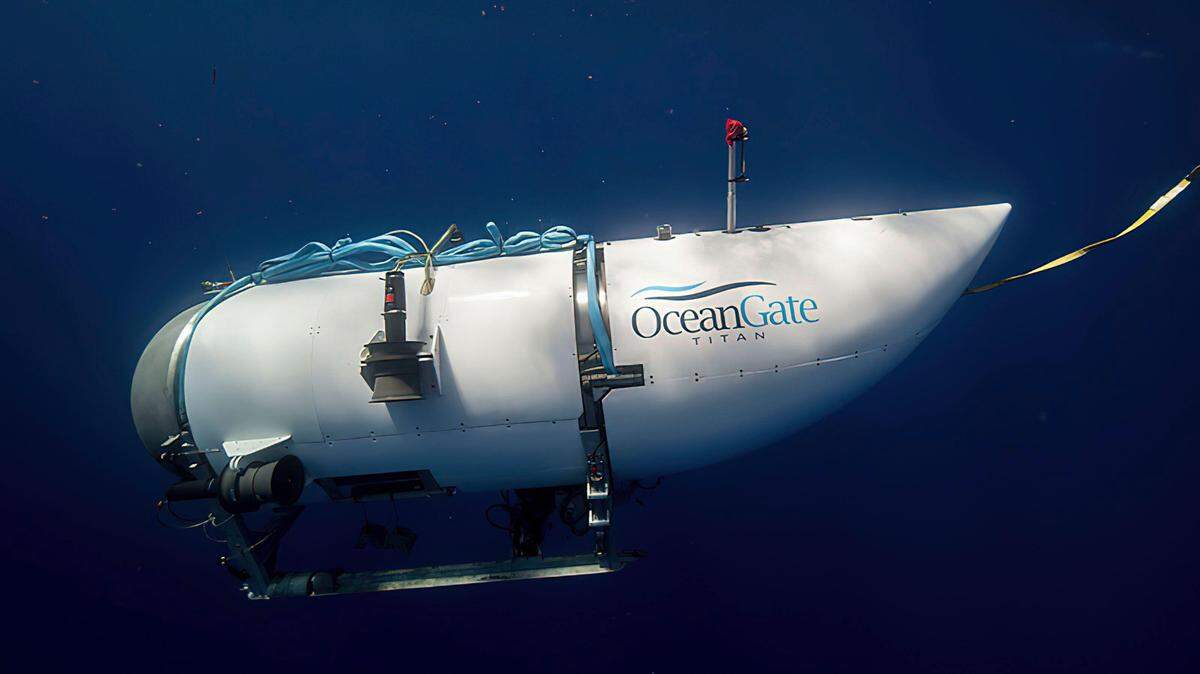
Over a century later, in 2021 OceanGate’s submersible, Titan, began making dives on the wreck of the Titanic, located in international waters south of Newfoundland. On its inaugural dive of the 2023 season, Titan, disappeared. Thursday, debris from the vessel was found near the Titanic wreck site, and the five people on board are presumed dead.
The construction and operation of Titan raises concerns over the use of submersibles in the commercial sector, particularly for tourism.
We have become accustomed to witnessing the journeys of the rich and famous into space by the likes of Space X, Virgin Galactic, and Blue Origin. These flights, originating in the United States, are regulated, by the Federal Aviation Administration (FAA).
According to OceanGate’s website, Titan’s “combination of ground-breaking engineering and off-the-shelf technology…helped to streamline the construction and make it simple to operate.” This philosophy eschewed the vast array of experience and technology that was used in past submarines and submersibles. At the same time, they avoided the use of third-party classification societies to ensure that their submersibles met industry standards.
In a blog on the OceanGate website titled “Why Isn’t Titan Classed?,” the company laid out its decision to avoid this process. The major issue stemmed from “a multi-year approval cycle due to a lack of pre-existing standards.” They even cited the difficulties encountered by the commercial space companies.
In lieu of a major classification society, OceanGate hired a licensed marine surveyor to witness “a successful dive to 4000 meters” and provide a Statement of Fact. Inspection of Titan resided solely with the crew and employees of OceanGate, even though the American Bureau of Shipping (ABS) classed one of OceanGate’s other submersibles.
Today, all ships operating on the high seas are registered in a country, with Panama, Liberia and the Marshall Islands being the most common. Known as open registries, or flags of conveniences, many companies register in these countries because of the low government and crewing costs.
However, international regulations, such as SOLAS, are enforced by a series of measures. The flag of registry is required to ensure that ships meet all standards. For the purposes of insurance of the vessel and its cargo, a classification society provides a check on the flag state. Then, all nations have agreements — known as Port State Authority — that allow the nation a ship sails into to inspect the ship for standards. In the United States, that responsibility lies with the U.S. Coast Guard.
Commercial submersibles are used widely in offshore drilling, cable laying and pipeline industry, along with remotely operated vehicles (ROVs). The American Bureau of Shipping, a classification society, has a 273-page standard for Underwater Vehicles that provides a level of check and balance against companies, such as OceanGate, which decided not to classify Titan.
Much as Titanic led to reforms in safety of life at sea, Titan may do the same with regards to submersibles operating in international waters, an area largely unregulated.
The United States and Canada will probably examine their laws for ships operating out of their ports with submersibles and the International Maritime Organization of the United Nations may propose amendments to the SOLAS Convention. It appears that Titanic may not yet be finished in the safety of life at sea.
This story was originally published June 21, 2023 at 4:39 PM.