
July Fourth: I see America’s untidy history in my white father and Black grandfather | Opinion
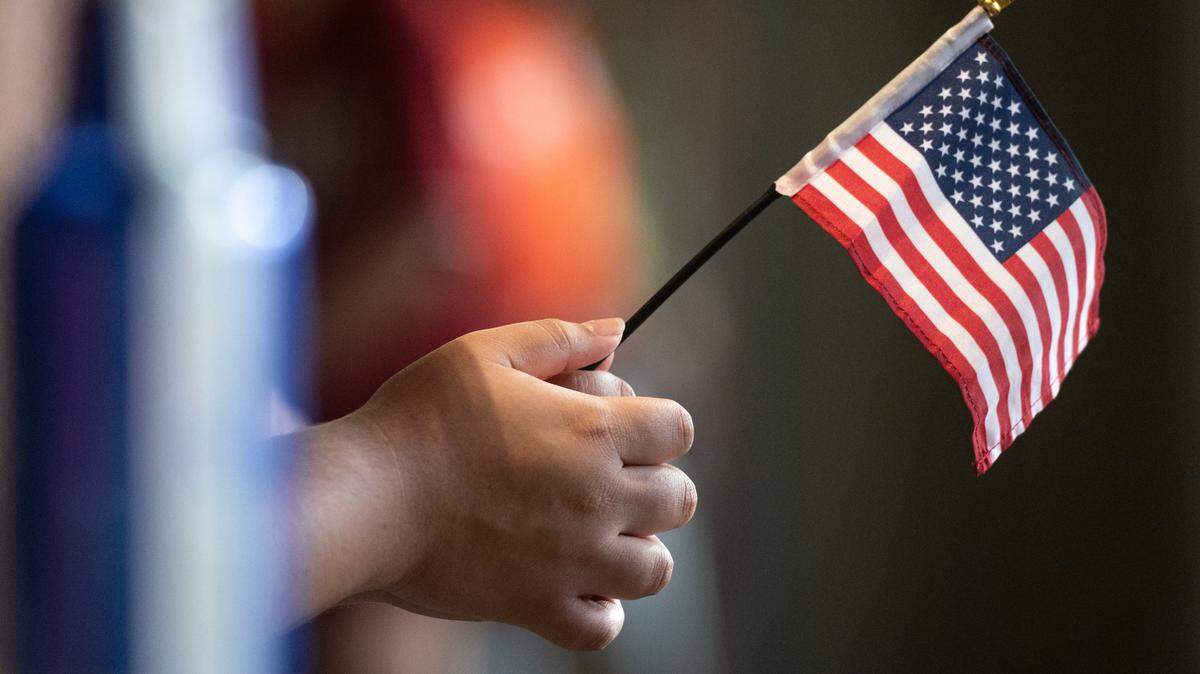
The Fourth of July is a great excuse to light up the sky with fireworks in a patriotic promise of freedom. But we aren’t truly celebrating the “land of the free.”
Every day, I and so many others are working to ensure fairness and equity in our workplaces and communities — working to fulfill promises made for people in America. Because when Thomas Jefferson wrote that “all men are created equal” and “endowed by their creator with certain unalienable rights,” he didn’t really mean “all men” — and definitely not “all people.”
Jefferson’s words didn’t apply to women or Indigenous people, who were vilified as savages. Equality certainly didn’t apply to the enslaved people who helped build the burgeoning nation. From that first scribble, Black Americans knew that freedom and independence didn’t include them.
Before you question my patriotism, know that I am grateful for the freedoms I have and thankful for those who have sacrificed for them. Let’s acknowledge, though, that there is an asterisk next to those freedoms for many people. The fine print begs to be ignored, hidden behind the summer celebration of July Fourth sparklers and celebrations.

The real story of America’s untidy history is reflected in my family’s experiences after World War II. I come from a biracial family — Black mother, white father. Upon his return home, my white father was welcomed by the G.I. Bill, which funded his college education and a low-interest home loan. He studied chemical engineering, joined IBM and became one of the millions who helped drive the post-war manufacturing boom.
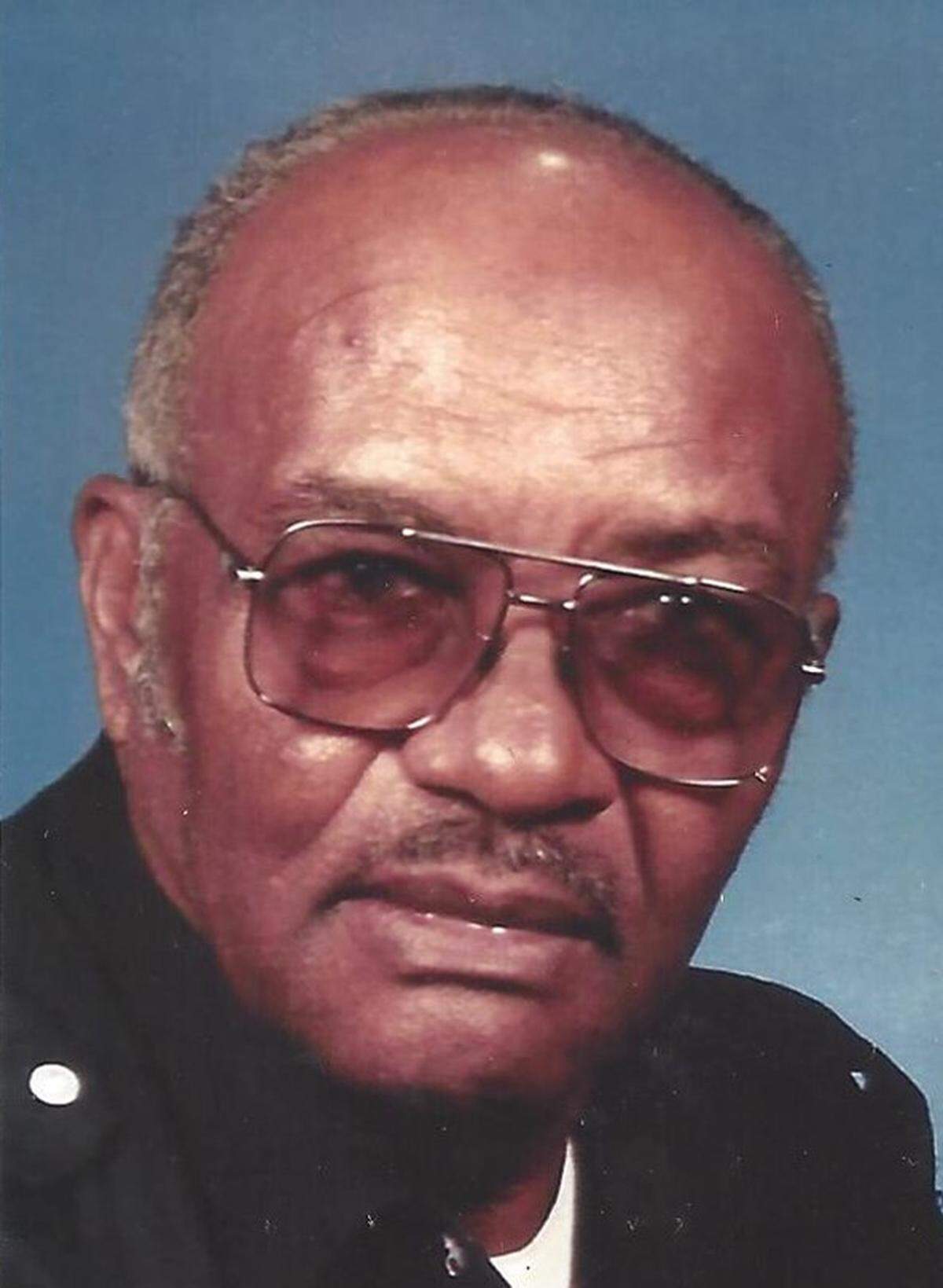
In stark contrast, my Black grandfather faced open hostility, called “Boy” on the streets of Alabama, despite having been shot twice in the line of duty, a true hero. He relocated to Pennsylvania, raised a family and became a steel mill foreman, but he never forgot the prejudice he faced in his hometown.
Maybe you think I should let it go. Why should anyone get emotional, even angry, about something that happened nearly 250 years ago?
Let me answer that question with questions of my own: Would you forgive someone if they never apologized for hurting you? Would you forgive them if they continued to hurt you? Would you be frustrated if they kept countering that you weren’t really being hurt?
Jefferson and 40 other signers endorsed the ideals of freedom, all while holding people, including children, in bondage and terror. We live with that legacy. Today, the wealth gap between white and Black families remains stubbornly wide due to systemic injustice.
According to a Harvard University report, Black families are 30% less likely to own a home — a primary driver of long-term wealth — largely because of historical discrimination in the housing market and current lending bias. Mass incarceration impacts far too many Black families due to disproportionate sentencing — not lawlessness. Racial bias decreases life expectancy for Black people and worsens health outcomes when they seek medical care.
Many have a hard time accepting the hard truths of American history. They don’t fit the heroic narrative. These fabulists prefer to whitewash history to make it appear triumphant and heroic, not dirty, bloody and mean-spirited. But to understand this nation, we need to learn all its stories.
When the Declaration of Independence was first published, it appeared with advertisements promising rewards for the capture of two enslaved people. Jefferson had the leisure time to write because his land was being worked by more than 100 enslaved people. These unflattering stories don’t diminish us. We would be better citizens if we used our uncomfortable history to inspire a just future. A fuller understanding of past injustices might give us the fortitude to dismantle today’s unfair policies and practices.
This year, 500-plus laws restricting LGBTQ+ citizens’ civil rights have been proposed nationwide. Many of these bills restrict health care, curtail freedom of speech and remove protections against discrimination. Not a single piece of this collective legislation, however, lives up to the promise of equal treatment under the law.
Are we brave enough to make this country truly a land where all are created equal and able to move through life without facing systemic bias? Until we authentically live Jefferson’s inspiring words, we won’t be truly celebrating Independence Day.