
NC’s child care crisis needs immediate attention | Opinion
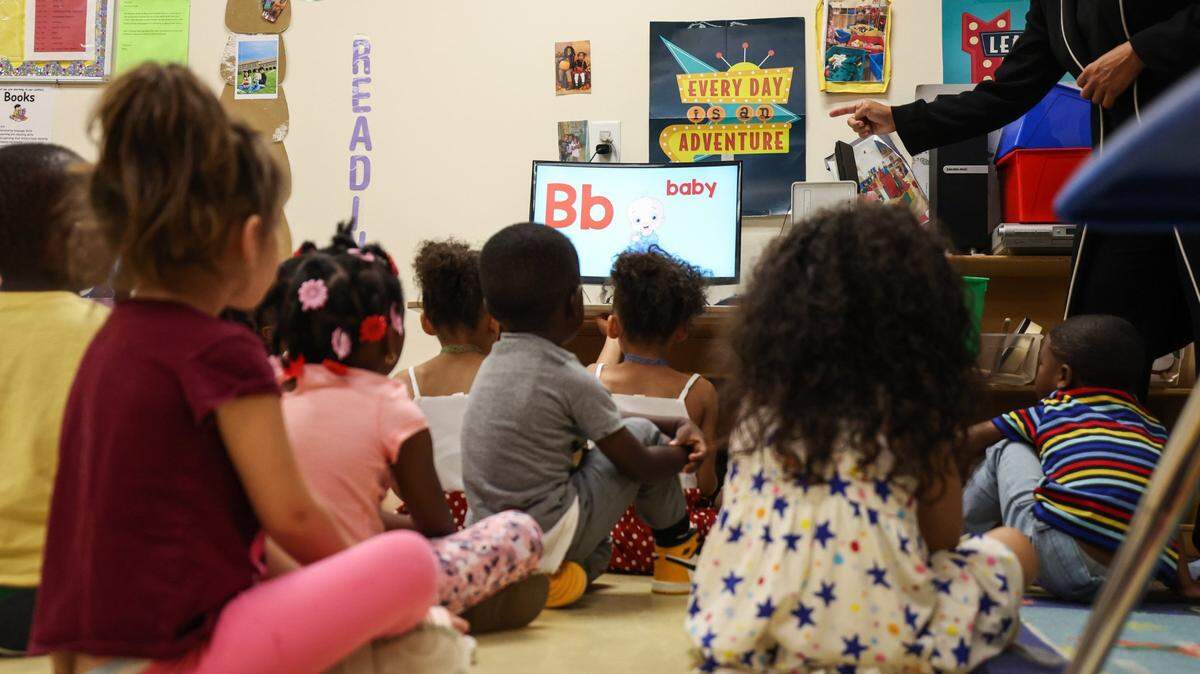
In recent months, local news organizations devoted considerable resources documenting the child care crisis that is causing parents to miss work and child care centers to close classrooms or reduce hours. These articles told the stories of a parent who pays $1,500 a month for child care and centers throughout the city that closed classrooms because the directors can’t find enough teachers.
The child care crisis in North Carolina has reached a precarious point, demanding immediate attention from state and federal lawmakers.


North Carolina’s Child Care Stabilization Grants kept child care centers afloat since the pandemic, covering increased costs and helping raise teacher wages to $15-$20 an hour. Without this funding, many child care workers would return to making only $10-$12 an hour. Cost-burdened centers would be left to either raise prices on strained families or face an exodus of educators. So, advocates across the state have been asking lawmakers to allocate $300 million in the state budget to extend the grants.
Lawmakers are in the final weeks of preparing the state budget. We hope it includes enough money to help the child care industry. As this crisis intensifies, its ramifications extend beyond individual families and providers, reaching our state’s economy and hurting everyone, including people without children.
As part of an effort by Leading on Opportunity, those who signed on to this op-ed are heartened to see advocacy from local business leaders calling for more funding for child care. Others are also sounding the alarm.
Last month, Gov. Roy Cooper lead a group of 10 governors who wrote a letter to congressional leaders advocating for increased federal funding for child care. He rightly emphasized that quality child care is a “triple play” that benefits children, enables parents to work, and underpins employers’ ability to hire a productive workforce.
The Charlotte Regional Business Alliance, which represents nine area chambers, sent a letter to leaders of the N.C. General Assembly asking for more funding for child care, as did Atrium Health. The N.C. Chamber is also working to find solutions and educate lawmakers about the need for more funding.
We welcome new allies to this work because we need them.
In March, lawmakers generated excitement among advocates by introducing five bipartisan bills to address the child care crisis, including $300 million to extend the compensation grants. “Without those dollars, we’re going to lose a significant number of child care providers across the state,” Rep. David Willis, R-Union, said during a press conference. “It has to be our No. 1 priority.” Willis owns and operates a preschool program in his district and serves as early childhood caucus co-chair.
Still, child care hasn’t been prioritized by key lawmakers. Neither the N.C. House nor Senate’s proposed budgets adequately address the crisis. But there is still time for Republican leaders to allocate more money in the state budget.
Like parents and providers, employers need lawmakers to step up. With only 61 available workers for every 100 open jobs, our state has a severe worker shortage. A survey by the N.C. Chamber Foundation revealed that 26% of parents with young children had to leave the workforce due to unaffordable child care, while 60% experienced work absences for the same reason. Additionally, 32% of parents were unable to pursue job training or continuing education because of the lack of affordable child care.
Statewide, North Carolina is losing $3.5 billion annually in productivity, earnings and revenue due to a lack of reliable child care. To support the continued growth of our region and state, we urge lawmakers to invest in child care like the essential industry that it is. It’s one that children, families and businesses depend on.