
Women in NC must rise above partisan politics, like women in Ohio did | Opinion
Women’s Equality Day is Aug. 26. It marks the anniversary of the certification of the 19th Amendment, granting some women the right to vote in 1920. Then, as now, women of color faced additional barriers to representation.
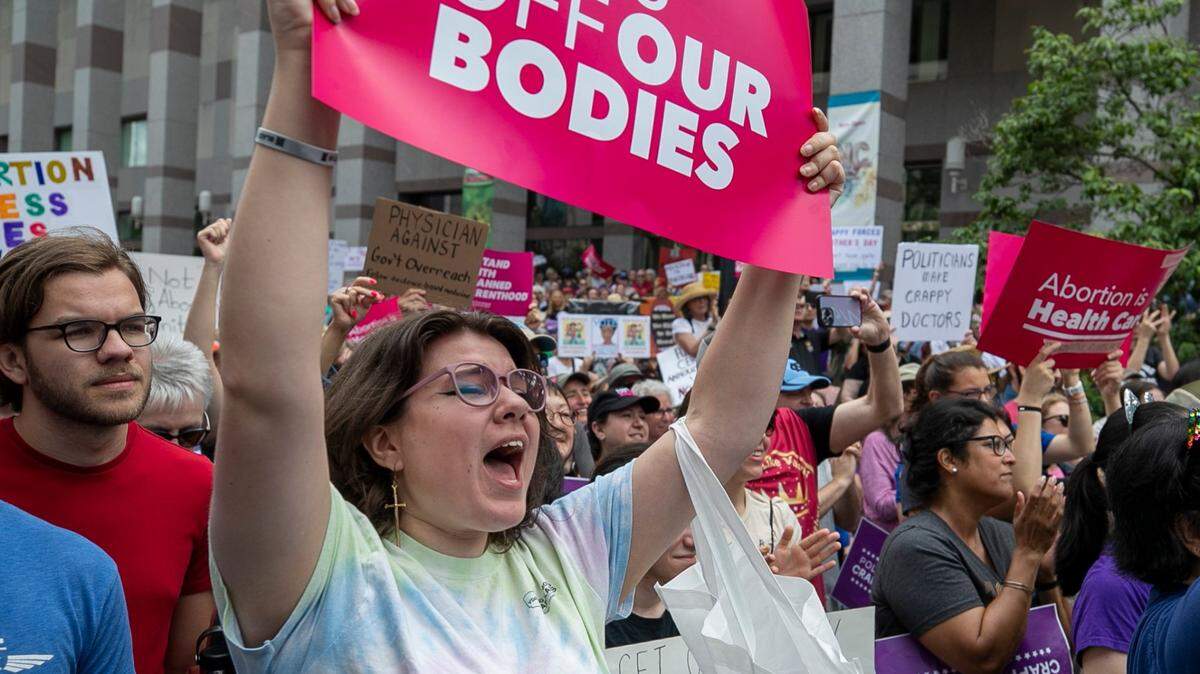
Today — 103 years later — women have fewer rights than they have had for decades. At the national level, we have lost Constitutional protection of reproductive rights and the Equal Rights Amendment, which has stalled in Congress.
Let’s look at what is happening to women’s rights in North Carolina. Reproductive rights have been restricted, affecting the ability of child-bearing individuals to make decisions about whether and when to start a family. The legislature has inserted itself in gender affirming medical care decisions that families seek for their children.
Legislation being considered now has the potential to inflict damage on our public school system by funneling money away from public schools and to private schools through vouchers.
So, our public schools, our bodies and our families’ health care are now all being negatively impacted by legislation, some of which has already become law. Is this women’s equality?
And then there’s the attack on voting rights. The legislature passed a slate of election changes that Gov. Roy Cooper vetoed on Thursday. If his veto is overridden, the legislation will make it harder and, in some cases, less secure to vote. Under the guise of correcting voter fraud, these bills address problems that don’t exist. But they put roadblocks in the way of voting, adding complexity and oversight that is not needed and could intimidate voters.
Women are the backbones of our communities. Despite this, the N.C. legislature is limiting our rights. North Carolina is a majority female state. We must come together as community volunteers, church leaders, PTA officers, mothers, household managers, business executives, hourly workers, and students. We can impact how elected officials make decisions that affect our schools, our bodies, our families, and our ability to cast a ballot. We must fight back against gerrymandered districts that skew outcomes and render some of us powerless to influence the selection of those who will represent us.
And our best weapon is the one we’ve had for 100 years that we can no longer take for granted. It is the power to vote. To show up. To bring others. To work for change.
If we want a legislature that truly represents the views of our varied and wonderfully diverse state, we must vote.
It can feel like Women’s Equality Day is more like Women’s Inequality Day. For the sake of our communities, our state, our daughters, we must channel our strength to protect our rights. We can do that in a nonpartisan way. Let’s address the issues, regardless of the political parties. They did it in Ohio when women of all parties united to put reproductive rights on the ballot this November. We can rise above partisan politics here, too.
We must vote. This fall, in municipal elections and in every election. It is the only way women can make Women’s Equality Day a reality.