
A UNCC shooting survivor has two words for lawmakers: Do. Something.
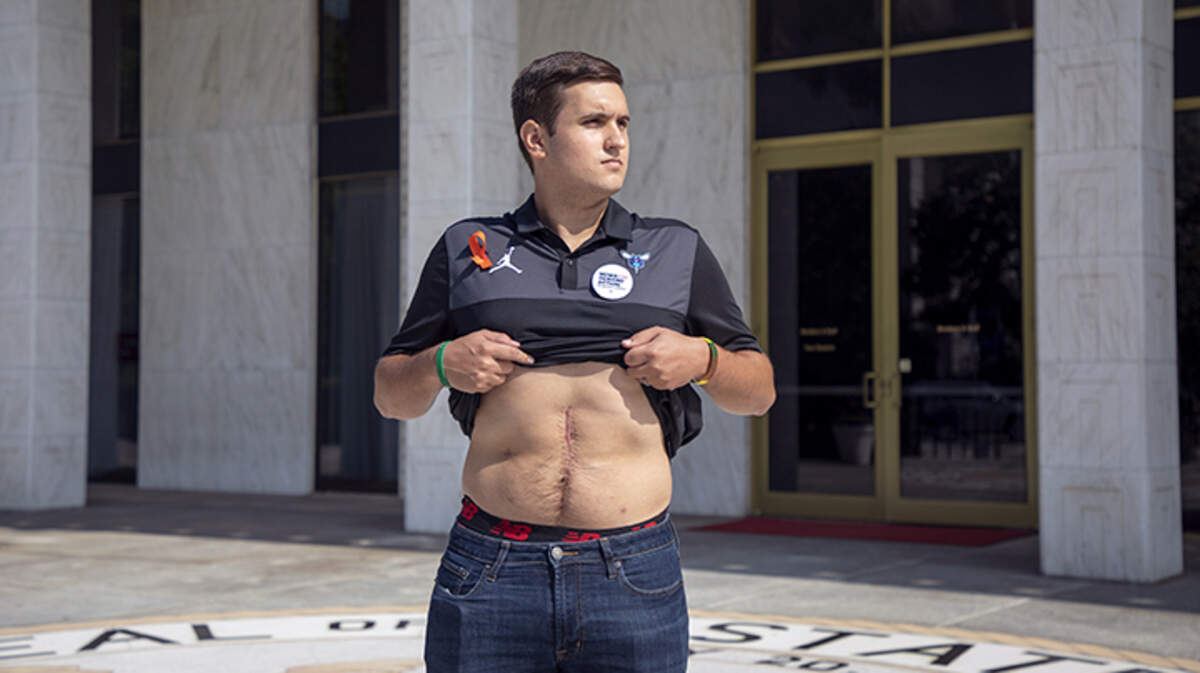
When you survive something as traumatic as a mass shooting, as I did at UNC Charlotte in 2019, it affects you in a multitude of ways for the rest of your life.
Aside from the obvious physical trauma that comes with being shot, the road to mental recovery is a much longer process and one that perhaps will never end. Once you’re finally able to take a step forward away from the anger, sadness, confusion and grief of your own traumatic experience, you notice every single time such a tragedy happens again.
On Aug. 28, I checked Twitter (or X) and saw that a similar tragedy was unfolding at another UNC System school. This time at the flagship university, UNC Chapel Hill.
Shots were fired, emergency alerts sent and the campus was in lockdown for hours, with a suspect at large. We now have a clearer picture as to what happened that day — but no clue as to why. A graduate student shot to death Dr. Zijie Yan, a physics professor, with a 9mm handgun that has yet to be recovered.
It was the same caliber handgun used four years ago at UNC Charlotte, the one that left two of my classmates senselessly murdered, and four more shot and injured, including me.
I live in the Triangle. News of a tragedy like this happening again, this time in Chapel Hill, sent my heart racing and the flashback began to play. It was my final day of classes, April 30, spring semester of sophomore year, when college shifted from celebratory to nightmarish in a split second. Class started at 5:30 p.m. and 10 minutes later every aspect of my life was forever changed and my life nearly ended. Another student opened fire in our classroom with a 9mm Glock 17 for what felt like forever but lasted maybe 60 seconds.
I looked over my shoulder and saw the shine reflecting off the chrome weapon. Then came the flashes, loud bangs and smell of gunpowder. Everyone in the room ran and screamed attempting to escape. My body would not allow me to move. I was frozen in place and before I knew it, felt a burning pain coming from my lower right back and lower right abdomen. Without looking down, I knew I had been hit and even said to the classmates at my table ducking for cover, “I just got shot!”
Eventually, the gunshots stopped and the murderer unloaded the clip, placed the gun down, and lay down flat on his belly until the police arrived. At this point, only the two deceased students, the classmates at my table and I remained in classroom 236 in the Kennedy Building.
When the coast seemed clear, they started to head for the doors seeking safety and medical help for two of the other wounded victims that sat at my table. They told me to come with them but the pain was too much to bear and I couldn’t get up. I told them to leave without me, not knowing when or what the shooter might do next.
I remained on the floor of the classroom in excruciating pain for five more minutes until campus police and the Charlotte-Mecklenburg Police Department arrived. Five minutes alone in the classroom with the two deceased students and the monster behind the carnage.
I’m telling you all this because I have a message after the UNC shooting. My message to everyone, especially those who are elected officials capable of creating meaningful change to prevent similar tragedies from occurring again, remains the same as it was when I spoke at the N.C. General Assembly in August 2019 before returning to Charlotte for my junior year.
I have two simple words: DO. SOMETHING.
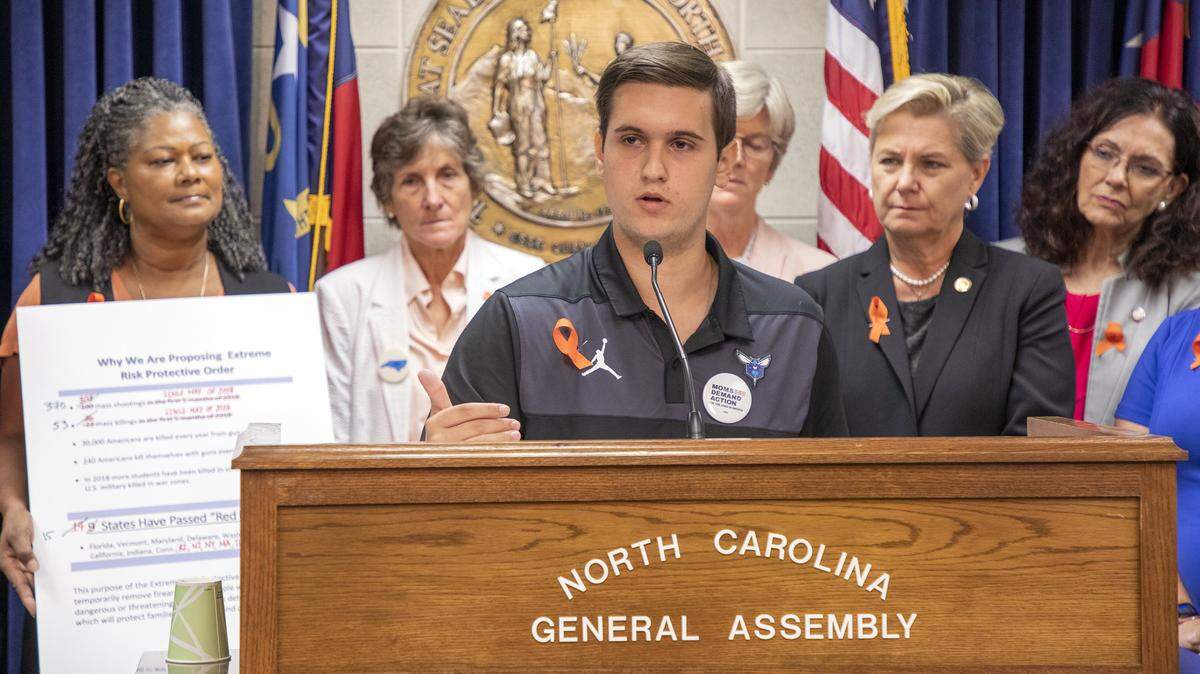
People are being murdered, injured and traumatized on UNC System school grounds. That is not up for debate. This is not a political stance, this is not me trying to tell you what the exact reason behind this violence is, and it’s definitely not me suggesting we go to extreme solutions like “take away all guns” or “every teacher and student should be armed and ready.” That would only lead to childish arguments until everyone’s attention span no longer is focused on the trauma that just occurred.
People on one side of the aisle claim it’s a “gun problem,” while people on the opposite side claim it’s solely a “mental health problem.” Neither side is willing to budge or swallow their pride in an effort to collaborate on meaningful and effective solutions to protect innocent people. Then it happens again, and we’re back to square one of opening Twitter or receiving a text that another mass shooting is taking place.
If lawmakers gave an ounce of effort to having a civil and productive discussion, I have a sliver of hope that potential solutions could be found. That’s not to say I have unrealistic beliefs that “if we work hard enough, we can ensure that this never happens again.” There are terrible people in this world who commit senseless crimes. But sitting back and watching these scenarios continue to play out, or simply shrugging our shoulders followed by offering our sincerest “thoughts and prayers” is unacceptable.
Stop pointing fingers at one another. Agree that this is a tragic problem we face where schools and other common public places are turned into war zones, and that something needs to be done about it.
If you want or need someone to be the “bad guy,” I’m right here. I’m here four years later, still sharing the same simple yet overlooked message and calling out the BS that enables this cycle to continue. This is not a one-sided issue no matter who tries to convince you of that. This isn’t something that is able to be resolved in “all or nothing” fashion. This is not a political game to score points for yourself or your party. This is the lives and livelihood of innocent people, and the physical, mental and emotional well-being of many more who are directly affected by these horrific tragedies.
DO. SOMETHING.