
José was 30, a dad, an NC farmworker. His death should galvanize us. | Opinion
In the agricultural heartland of North Carolina, farmworkers toil tirelessly to feed the world. Beneath the bucolic exterior lies a grim reality: the constant battle against weather conditions, including the stifling heat of summer. High temperatures, which are already dangerous on their own, become lethal when working conditions in the fields are ignored.
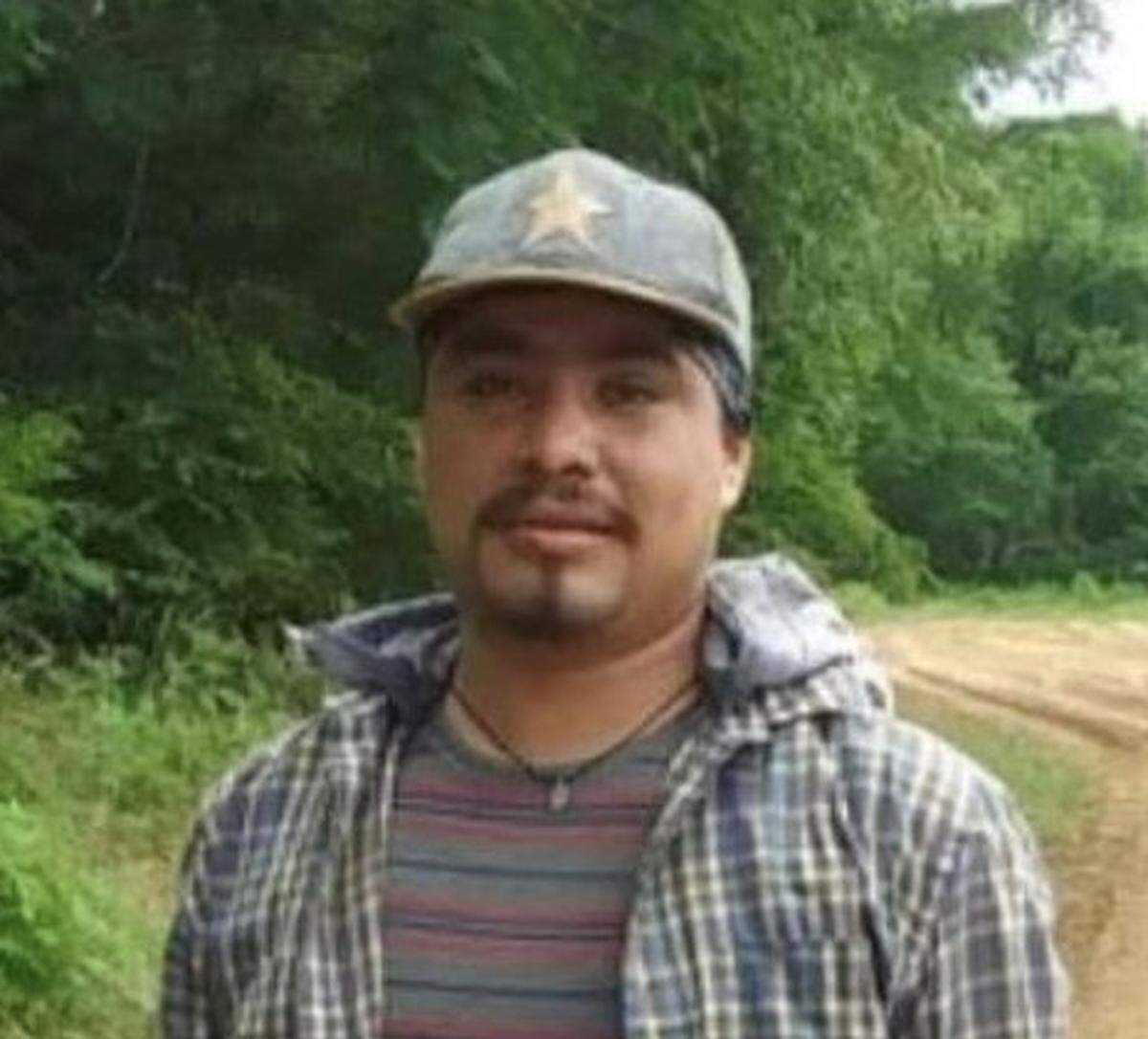
With profound sadness, El Centro Hispano, of which I am president and CEO, received a phone call regarding the passing Sept. 5 of José Arturo Gonzalez Mendoza, a 30-year-old farmworker who was harvesting sweet potatoes in the fields of Barnes Farming in Spring Hope, N.C., about 40 miles from Raleigh.
Originally from Guanajuato, Mexico, José arrived in the United States in late August to work under an H-2A visa. He will never cultivate the land again, nor will he see his children. He is survived by his wife and two sons.
Jose’s brother, Gustavo Gonzales Mendoza, told us: “It was very hot. José complained of feeling unwell, but they told him to keep working. He fainted. They rushed him to the truck, but there was no water, and they dialed 911.”
(Editor’s note: In a Sept. 5 statement Barnes Farming said it follows “well-established policies concerning workplace safety and environmental conditions.”)
As of Friday, José’s cause of death was still under investigation by the North Carolina Department of Labor. And Gustavo still awaits answers.
The workers who are the backbone of our food supply are often exposed to long hours outdoors in extreme weather conditions. The combination of physical labor, sun exposure and inadequate access to water can be fatal. The circumstances of any farmworker’s death must undergo a thorough investigation.
At the same time, it is imperative that we raise awareness and provide support for the farming community.
As a society and government, it falls upon us to prioritize the well-being of those who dedicate their lives to putting food on our tables. We must acknowledge the invaluable role that farmworkers play in our lives. Their contributions are immeasurable and their work guarantees our food security. We must extend our gratitude by advocating for better working conditions, federal heat protections for farmworkers, access to healthcare, and educational opportunities within the agricultural community.
We must also address the systemic issues that contribute to farmers’ vulnerability. Climate change is escalating the frequency and severity of extreme weather events, making conditions even more dangerous for those who labor on the land. Investments in irrigation, shading and cooling measures can mitigate the risks associated with dehydration and heat-related illnesses.
While organizations like El Centro Hispano and other local agricultural agencies provide training to farmworkers to help them recognize and prevent dehydration and other health risks, it is insufficient. Authorities must ensure the establishment and compliance of federal heat standards that guarantee the safety and health of workers exposed to dangerous heat conditions at work.
Mandatory, regular breaks and safe working conditions are a must.
The tragic loss of this farmworker serves as a stark wake-up call for all of us. It compels us to acknowledge the profound sacrifices made by farmworkers and prioritize their well-being. By doing so, we not only honor their memory and strengthen the moral fabric of our nation but also safeguard the sustainability of our agricultural industry, an indispensable pillar of U.S. health and prosperity.
Without adequate protections against heat exposure, workers like José continue to be at risk.
As we mourn the loss of José, let us remember that his passing should galvanize us into action. It should serve as a catalyst for change, a reminder that we must do more to protect those who put food on our tables and ensure their safety and well-being. In this pursuit, we honor his legacy and work towards dismantling systemic, institutional, and historical barriers that should no longer determine the right of our population to live and work in a safe environment.