
Why more churches in NC should start schools | Opinion
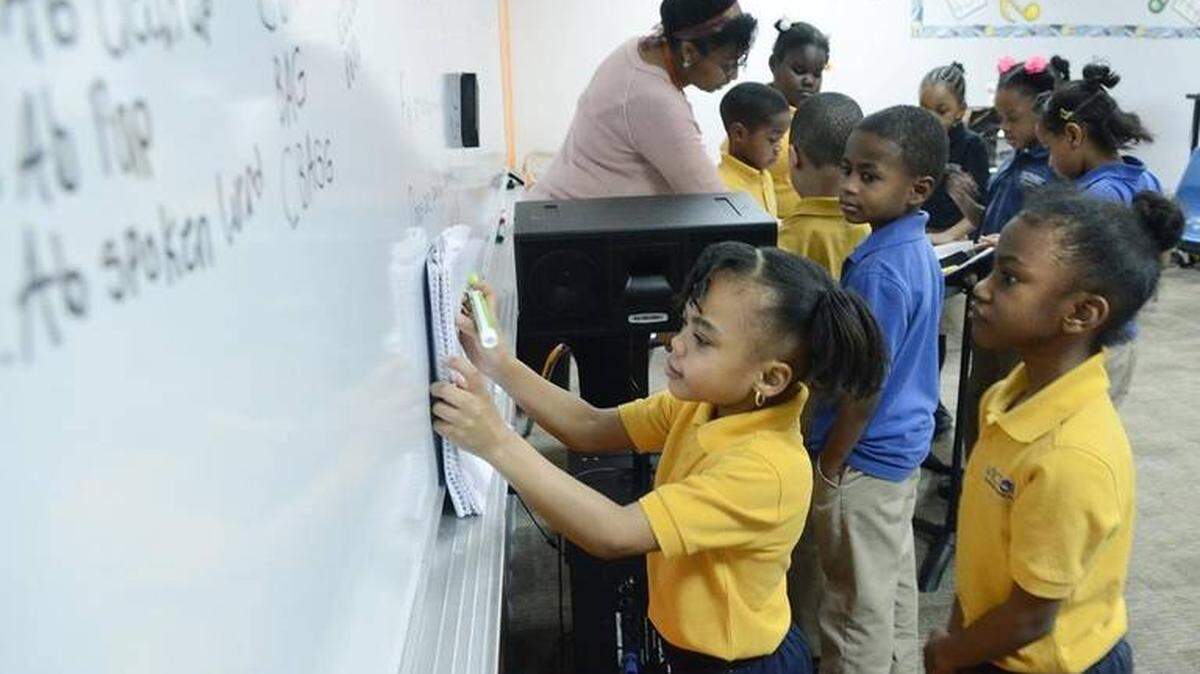
In recent decades, both churches and youth have faced significant challenges. Across the board, church attendance has seen a decline, particularly among young people. Additionally, many teens who do attend church drift away after graduation.
It is not surprising that the decline in church attendance parallels the decline in adolescent well-being. The prevalence of social media platforms, celebrity idol worship, drugs, alcohol and pornography simultaneously connect and isolate our youth.

Many churches are struggling to attract and keep youth engaged. Denominational leaders and church growth consultants have been promoting various “revitalization” ideas, with varying degrees of success.
This disheartening situation calls for a proactive response to shape future generations with culture-transforming, Christian worldview thinking.
To prevent the next generation of Christian children from falling away, we must create an environment that allows them to be educated in alignment with Christian values. It is no longer sufficient to rely solely on the brief hour or two spent at church on Sundays to counterbalance the influence of secular school culture during the remaining 35 hours of the week.
Outsourcing the education of our children to the state is not always the best option, as it often fails to prioritize the values of the church and the home. So, is starting a school within the church an option worth considering?
Fortunately, the N.C. General Assembly has made religious schooling economically feasible by significantly expanding the Opportunity Scholarship program. It now offers tuition assistance to all students in the Tar Heel state. Scholarship amounts are based on family income, with low and middle-income families receiving the largest awards. This expansion benefits parents who previously could not afford private school tuition. For the 2023-2024 school year, students are eligible for scholarship grants from $3,246 to $7,213.
Since the advent of North Carolina’s voucher program a decade ago, the number of religious affiliated schools across North Carolina, including some started by churches, has grown. Private school enrollment overall has surged significantly outpacing the percentage of growth in traditional public schools.
Most of the scholarship money already goes to religious schools. Statewide, about two-thirds of private school students are now attending religious schools
Private Christian schools maintain their own academic, religious and admission standards. The state respects the autonomy of non-public schools in terms of religious and educational philosophies.
Many church buildings remain underutilized during the school week, offering potential space for classrooms, food service facilities, and recreational areas. Remodeling or constructing additional facilities to accommodate more students is an option, as is sharing space with nearby churches or leasing additional space.
Private schools have the flexibility to determine class sizes, and research suggests that smaller class sizes lead to better academic outcomes.
With the expansion of Opportunity Scholarships, churches should seize the opportunity to invest in a Christian school and extend their reach into the community.
Often, Christian education offers benefits such as better academic outcomes, lower costs and development of discipline and moral foundations now scarce in public schools. With the monopoly on public education funds held by government-run schools, parents often find themselves ineffective in influencing curricula and values. With scholarship vouchers parents can choose schools that align with their beliefs and more effectively pass on their faith to their children.
Starting a Christian school allows churches to actively engage and educate youth in alignment with Christian values. It is a valuable investment that aligns with the mission of the church and provides a much-needed alternative to secular education.