
There is an economic pitfall in Gov. Cooper’s thinking on green energy | Opinion
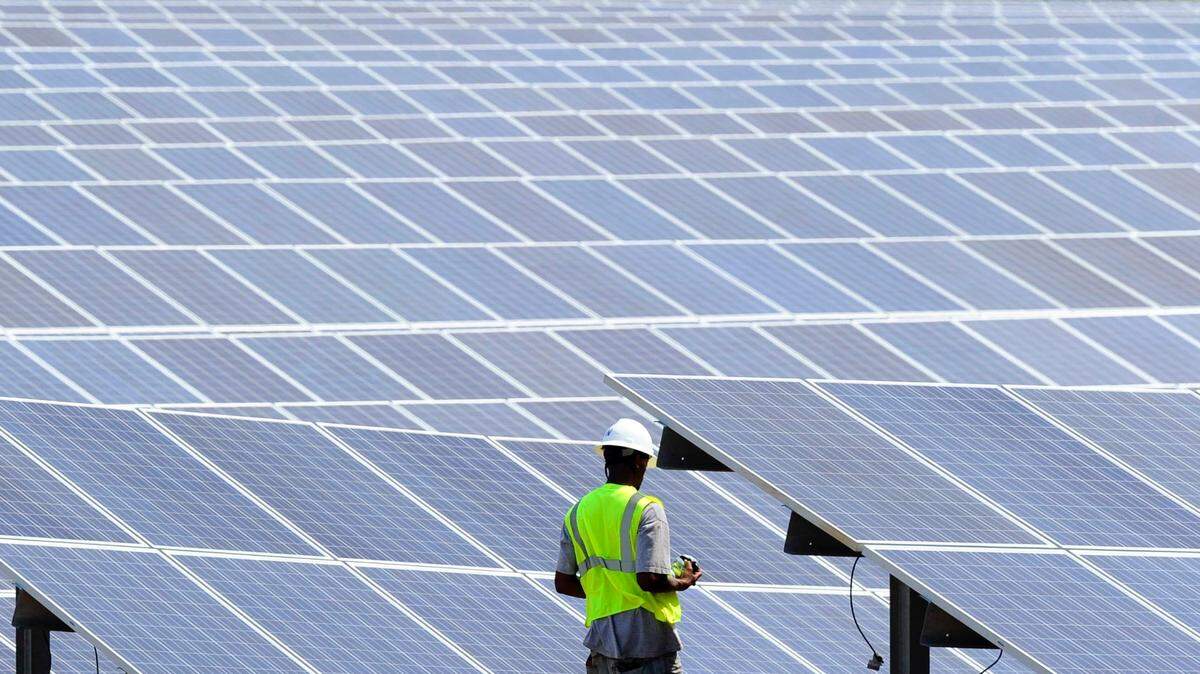
Governor Roy Cooper has proven a major proponent of the state’s transition to renewable energy sources, specifically wind and solar. In the past month, he has made public remarks twice about his policy goals on “the clean energy economy.”
In his 2021 State of the State Address, he said, “This industry is racing toward us with thousands of good-paying jobs that will strengthen our economy and planet. We are already ahead in solar energy, and with new offshore wind and its lucrative supply chain, we can put money in North Carolina pockets.”
But there is an economic pitfall in that line of thinking — a misguided understanding of how economic efficiencies and job growth are best achieved.

The governor considers solar and offshore wind projects as a lucrative and job-creating economic sector rather than a source of energy for the rest of the economy. This mindset treats wind and solar as ends rather than means. Going down this path to purposefully create “clean energy jobs” as an economic development tool will only lead to economic inefficiencies.
As politicians highlight the potential for creating new jobs in wind and solar, it’s important to look closely at the types of jobs being generated. In a well-functioning economy, the energy sector should strive for streamlined and technologically advanced processes that require fewer human resources. If there are many jobs in energy, it signals inefficiency, indicating a large part of the workforce is dedicated to producing energy rather than creating goods and services that directly benefit from more affordable, reliable energy. If the energy sector relies heavily on labor, it could divert resources from more productive areas, slowing down the broader economy.
So, when Cooper’s North Carolina Taskforce for Offshore Wind Economic Resource Strategies wrote in August about creating 85,000 wind energy jobs, that was not a commendable achievement. Those jobs will be traded off from the production side of the economy. That’s even more true when considering that the N.C. unemployment rate is a healthy 3.4%.
Viewing the energy sector as “lucrative” is also problematic. In many cases, the profitability of the clean energy sector is sustained by government subsidies, tax incentives, or other financial support mechanisms. These subsidies often mask the true cost of production and can create an artificial economic landscape where industries rely heavily on external financial injections rather than thriving based on market demand and efficiency.
Green energy proponents aim to move our state to a carbon-free energy sector. Fine. But lawmakers and energy providers must be realistic about what that means.
Achieving a fully carbon-free state requires a pragmatic dual strategy. There must be a strategic plan to scale up energy production from small-scale nuclear reactors, which can provide a reliable and low-carbon source of electricity. There also must be a more extensive pipeline infrastructure, which is essential for use of natural gas as a transition fuel. While not carbon-free, natural gas is a cleaner alternative to coal and can play a crucial role in the interim period before renewable energy sources become more technologically advanced and able to meet demand.
Realizing a fully carbon-free future in N.C. demands a keen focus on efficiency, emphasizing the need for reliable, dispatchable energy sources. Striking a balance that maximizes power output while minimizing labor intensity is key to achieving least-cost power and fostering economic efficiency for our state.
This story was originally published November 26, 2023 at 6:00 AM.