
A new form of climate denial threatens the North Carolina coast | Opinion
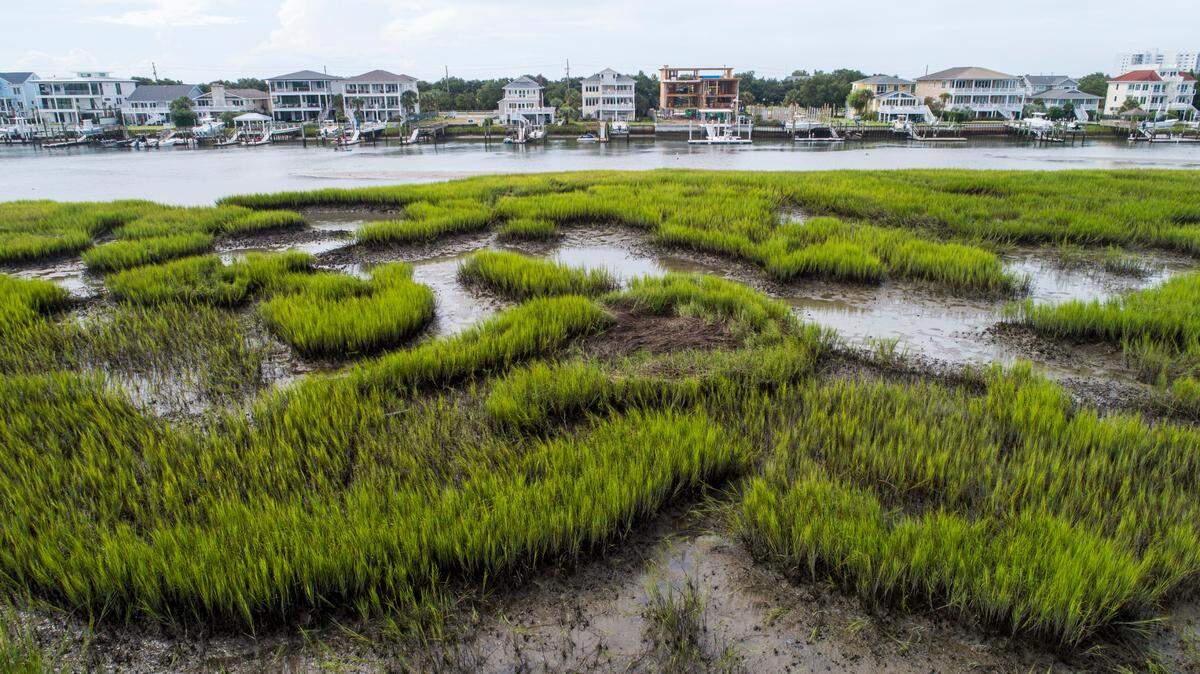
North Carolina is exhibiting a new form of climate change denial.
It’s not a disbelief in rising sea levels and more potent hurricanes. Instead, it’s building more homes and businesses in harm’s way. Some of the fastest growing areas of North Carolina are those most in danger – areas along the coast.
The recent National Climate Assessment noted that rapid growth in the Southeast is increasing the potential damage from climate change. A New York Times report this month focused on how development is increasing in an area hit by five hurricanes since 2016 – the coast between Wilmington and Myrtle Beach, S.C.
“Local officials say they are struggling to keep up with the growth. They can try to manage the floodplain, communicate the risks, regulate construction and prepare for disasters,” the Times reported. “But the one thing they can’t seem to do is stop people from moving here.”
There are obvious reasons for this. The North Carolina coast offers beautiful beaches, a mild climate and property costs and taxes lower than many parts of the East Coast. With so much good, it’s understandable that the rising threats from climate change get pushed out of mind as a mere possibility.
Money, too, is a powerful driver. The coastal economy is built on tourism, vacation homes and retirees moving in. Local governments welcome a growing tax base. Tax laws and federal flood insurance also support building on the coast despite the higher risks.
“We are still at the point where we are incentivizing this sort of development rather than trying to incentivize people to back off of these most vulnerable locations,” said Reide Corbett, director of the Coastal Studies Institute on Roanoke Island.
Corbett said local land use plans need to reflect the effects of sea level rise, not only on the oceanfront, but on water tables further inland. A recent federal report projected a 1-foot increase in U.S. sea levels by 2050.
“Land use plans haven’t been updated in some places in years, if not decades, and it’s a different world today from the prospect of climate. These land use plans need to catch up,” he said.
North Carolina’ state government has responded by trying to make coastal areas and the state’s flood-prone coastal plain less exposed to damage. The state’s resiliency plans and programs are among the most advanced in the nation.
But state efforts are limited by the divide between state and local governments. The state coordinates natural disaster protections and recovery efforts. Local governments control, or fail to control, development.
“It’s a very tight spot for the state, frankly,” said Amanda Martin, who leads the N.C. Office of Recovery and Resiliency, an office created after Hurricane Florence in 2018.
Martin said coastal communities pride themselves on weathering storms, but the state needs to persuade them that more needs to be done as climate change grows and more development increases the cost of storm damage.
Encouraging changes that could curtail the local economy is a delicate process.
“You get nowhere in government when you just show up and say this is how it’s going to happen,” Martin said. “Building a trusting relationship is so important.”
There’s also an issue with growth fed by newcomers moving from other parts of the country “who may not know what they’re getting into,” Martin said. “A big part of resilience is learning from our past experience. Now a big chunk of your community hasn’t had those types of experience to learn from.”
While much of the coast lags in tempering growth, Corbett sees signs that communities are more open to adjusting.
“I wish it was moving at a bit more rapid pace, but I do feel like the majority of the population isn’t ignoring what is happening any longer – notice I didn’t say everybody,” he said.
Climate change is happening fast on the North Carolina coast. Communities there need to be changing even faster.
This story was originally published November 27, 2023 at 5:30 AM with the headline "A new form of climate denial threatens the North Carolina coast | Opinion."