
Tariq Bokhari: Charlotte has awoken to the reality of crime. Now what? | Opinion
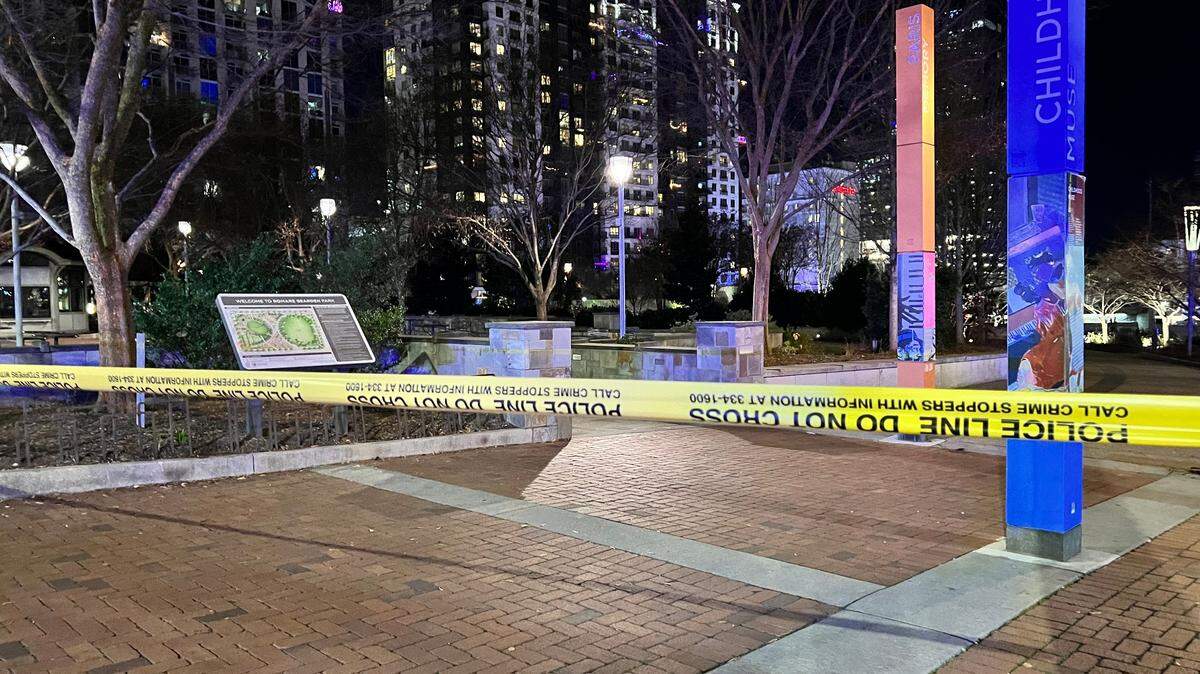
Charlotte’s public voices are beginning to confront a stark reality, one that we usually discuss in hushed tones, if at all. We think of ourselves as a beacon of growth and opportunity, but our city has been marred by a 14% increase in overall crime in 2023, culminating in a tragic shooting in uptown on New Year’s Eve.
Only a few short months ago, during my reelection campaign, I drew criticism for acknowledging the problem. Leaders and media outlets worked overtime to paint a rosy picture with selective stats, spinning crime in Charlotte as a problem of the past. In truth, property crimes exceeded 38,000 last year, well over 5,000 more than 2022, and juvenile arrests rose by an astounding 34%. Even I was shocked.
In the past four months, however, there’s been an astonishing shift. We, as a community, have begun to articulate a truth previously shied away from: crime in Charlotte is at unacceptable levels. This recognition on the front pages of our papers and on the lips of our leaders is the first critical step toward meaningful change.
Now what?
The path forward must be rooted in data-driven strategies. Although studies haven’t concluded that property crime leads to violent crime, I believe that because these crimes in Charlotte have been committed by a small number of repeat offenders, the numbers might eventually tell us a different story here. That road map could guide us to effective solutions.
As it stands, our criminal justice system is a revolving door that returns the same repeat offenders to the streets with alarming regularity. To break the cycle, we must employ targeted interventions. This isn’t about casting a wide net but about pinpointing and addressing the root causes that lead a small group to commit an out-sized portion of crimes our neighbors are experiencing.
But our efforts must not end there. If we are to truly turn the tide, we must look beyond just incarceration. We must examine the entire journey of a repeat offender, from the streets to the courtroom and through the process of rehabilitation.
In this endeavor, building a coalition across the entire community is paramount. This isn’t a fight that can be won in isolation. Our goal is clear: get repeat offenders off our streets and provide them with the tools and support necessary to break the cycle of crime. We have to do both; just focusing on the latter is a recipe for failure.
Over the last two weeks I have had a series of working sessions from grassroots groups like Freedom Fighting Missionaries to leadership of the General Assembly. Concepts are being vetted, such as revisiting the effectiveness of North Carolina’s ”Raise the Age” legislation. Under the 2019 law, most 16 and 17 year olds are not automatically charged as adults in criminal court, and police that means they rarely go to jail and often released to their parents instead.
Other concepts being vetted include a scorecard approach for magistrates to laws that would hold parents more accountable for the repeat criminal actions of youth.
As the city council prepares for our annual strategy retreat Jan. 21-24, we must prioritize leaving that meeting with an actionable plan. This isn’t a matter of partisan politics; it’s about the future of Charlotte. It’s about ensuring that our city remains a place where people feel safe to live, work, and thrive.
Charlotte stands at a crossroads. The path we choose now will determine the future of our city. We can continue to ignore the growing problem or we can face it head-on, armed with data, determination, and a unified community. A descent into lawlessness doesn’t happen overnight. Cities like Chicago are a cautionary tale of what happens when warning signs are ignored. Our city is a great place to live right now, but it’s up to us to keep it that way. Let’s make a difference, for Charlotte and for the future we all share.
This story was originally published January 19, 2024 at 6:00 AM.