
Advocates: Arresting more homeless people won’t solve the issues uptown. What will? | Opinion
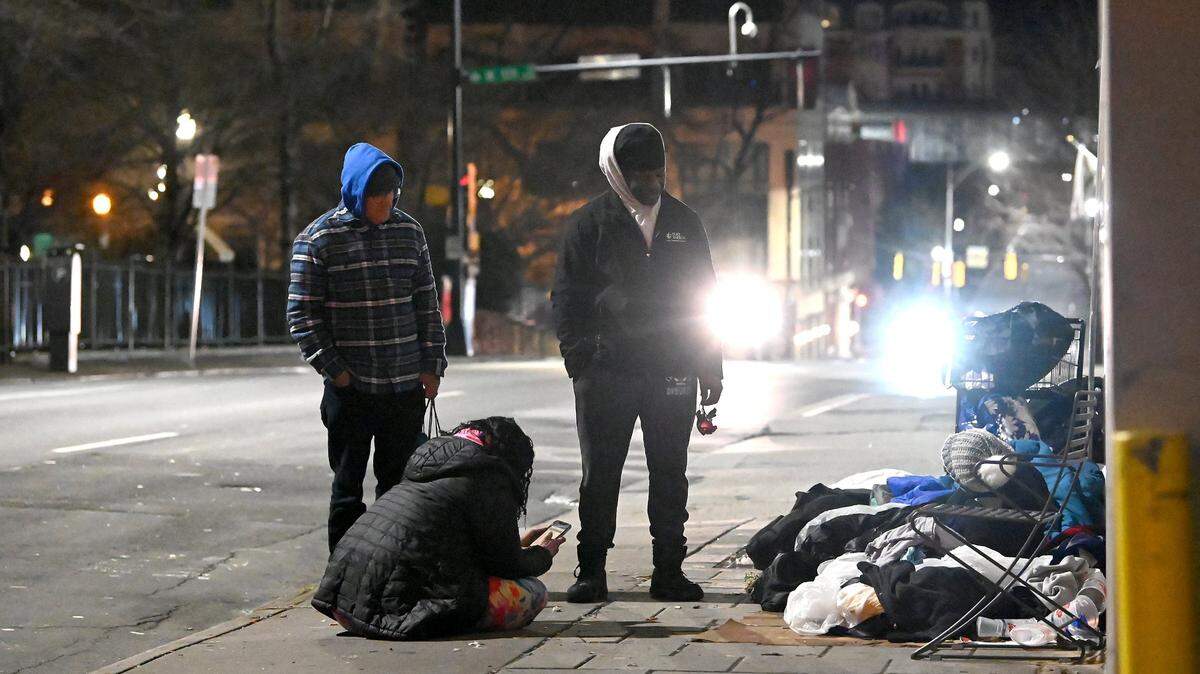
The Charlotte City Council is set to vote this week on criminalizing a handful of city ordinances largely directed at the unhoused population. Trying to address homelessness through utilizing the criminal justice system has proven to be both ineffective and fundamentally misguided.
As advocates who work directly with Charlotte’s unhoused population, we believe every individual should have access to housing, a place to relieve themselves, and the necessary resources to improve their lives. The ordinances being considered for recriminalization this week do not align with our values and criminalizing them is not a real solution to the situation our community is trying to address.
Every day in Charlotte and across the state, people are trying to survive without access to decent, stable and affordable housing. Criminalizing behavior such as sleeping on a park bench or seeking shelter in a parking garage on a cold and rainy night perpetuates the cycle of poverty and homelessness experienced by far too many. It also does nothing to actually address what is happening and provide evidence-based solutions to end individual and families cycles of homelessness.
Rather than utilize punitive criminal justice involvement to solve the issues, we need to pull on existing and potential community resources and solutions to create a safer, cleaner and healthier city.
We acknowledge that certain ordinances being presented, such as those against public masturbation and trespassing on motor vehicles, serve legitimate purposes and ensure public safety. However, criminalizing other ordinances will cause further damage to both the lives and the future housing prospects of our unhoused neighbors.
We ask that any measures enacted include an automatic sunset provision of no more than 12 months to allow for a thorough evaluation of the impact on both housed and unhoused individuals. This time frame also affords our community with the opportunity to invest in sustainable, long-term solutions that uphold the dignity and well-being of all residents.
We ask council to provide accessible and plentiful public sanitation facilities uptown as the first solution before seeking to pass any anti-urination and defecation ordinances. By ensuring availability of clean and thoughtfully located bathrooms, we preserve the dignity of all residents and mitigate the impact of homelessness in public spaces.
We must also bolster our emergency shelter system to accommodate the growing demand for services. Investing in specialized non-congregate shelters, particularly for individuals with severe and persistent mental illness, represents a critical step toward addressing the diverse needs of our community.
Investing in affordable housing is of paramount importance. Without stable housing, individuals are forced to conduct their most basic activities in public spaces. We support doubling the Housing Trust Fund to $100 million and prioritizing housing for our most vulnerable neighbors (those with less than 30% AMI). When investment in affordable housing doesn’t keep pace with growth, it costs us all, as evidenced by concerns from local businesses and uptown residents.
Recognizing that law enforcement alone cannot address complex social issues, we support alternative responses to non-violent 911 calls, such as the CARE teams staffed by licensed clinical social workers. By expanding the scope and availability of these initiatives, we can ensure individuals in crisis receive appropriate care and support. Street outreach programs also play a pivotal role in connecting individuals with vital services and support. By expanding outreach efforts tailored to the unique needs of uptown, we can build trusting relationships and facilitate access to resources such as supportive housing and mental health services.
Uptown, like many urban areas, grapples with quality-of-life issues. Concerns about public urination, loitering, and people seeking shelter in public spaces are real. However, addressing those concerns through more policing will not solve the root causes of these issues and will potentially create additional barriers to our unhoused neighbors as they seek to escape homelessness.