
You’re going to wait longer for March 5 election results, North Carolina | Opinion
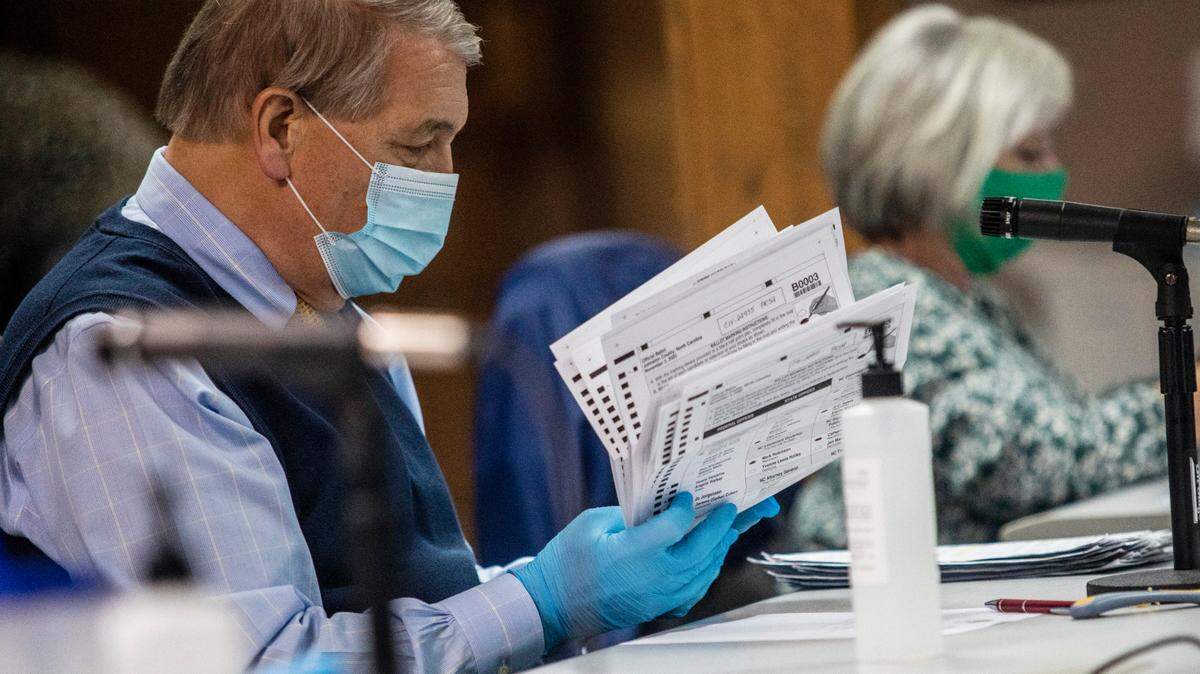
For years, political observers and journalists in North Carolina have practiced the same election night routine: at precisely 7:30 p.m. they ambled to a computer and refreshed the North Carolina State Board of Elections website in rapid succession.
The routine began at 7:30 p.m. because that’s when polls closed and county election boards uploaded their early and absentee ballots to the system. In a normal year, 7:30 p.m. was when the first real election results dropped and news outlets started reporting results. And 7:31 p.m. was when the first elections would get called.
But that is all about to change.

The 7:30 p.m. routine was made possible because election officials were permitted to begin tabulating early votes at 2 p.m. on Election Day. Beginning the tabulation of early voting ballots before the polls closed meant that election officials could get a head start on their work — a head start that resulted in early votes dropping soon after 7:30 pm (save for the occasional problem that required precincts to stay open later).
It’s important to note that tabulating does not mean reporting; no votes were reported before every voter had a chance to cast their ballot.
This year, North Carolina political observers are going to have to develop a new routine, and the public is going to have to get used to waiting.
The reason for this change is buried in section 29 (page 18) of N.C. Senate Bill 747 — the jumbo jet of election bills that was passed by the General Assembly last year on a party-line vote.
As SB 747 spells out, county boards of elections can no longer process in person early ballots until the polls close on Election Day. Mail votes, which typically account for fewer than 5% of all votes cast before Election Day, can still be counted at 2 p.m. and released at the close of the polls if and only if they’re received by 5 p.m. on the Monday before Election Day.
Here’s how it will likely play out in practice: On March 5, 2024, as the clock strikes 7:30 p.m. election administrators will run results from each tabulator at each early voting site. Depending on the number of tabulators and the number of voters in the county, this could take anywhere from five minutes to an hour.
Then, county board members must sign each tape (Wake County election board member Gerry Cohen tells us these tapes often approach the length of a CVS receipt) and each tabulator’s results print out. Then, and only then, will the results be uploaded to the State Board of Elections and available for public consumption. Now, rinse and repeat the same process across 100 counties.
Even that description assumes things go smoothly. Any damaged ballots or ballots that can’t be processed for any reason must be dealt with on an individual basis. If there is a power failure, or if ballots are stuck in the machine, it will take extra time.
The delay in the time election officials spend processing early ballots will also delay the processing of Election Day votes. That will delay the reporting of Election Day votes. And the ripples will continue.
It’s beyond the scope of this piece for us to weigh in on whether these changes are positive or negative. We’ll reserve that for the editorial columnists, elected officials and policy advocates.
Instead, we simply offer a caution: March 5, 2024 will look a lot different in North Carolina than what we have come to expect on election night. When the inevitable delays occur, they will not indicate any problems with the State Board of Elections or any county’s board of elections. That wait will be a direct result of election officials following Senate Bill 747.