
Gene Nichol: In remembering Robert F. Kennedy, I glimpse an anti-Trump | Opinion
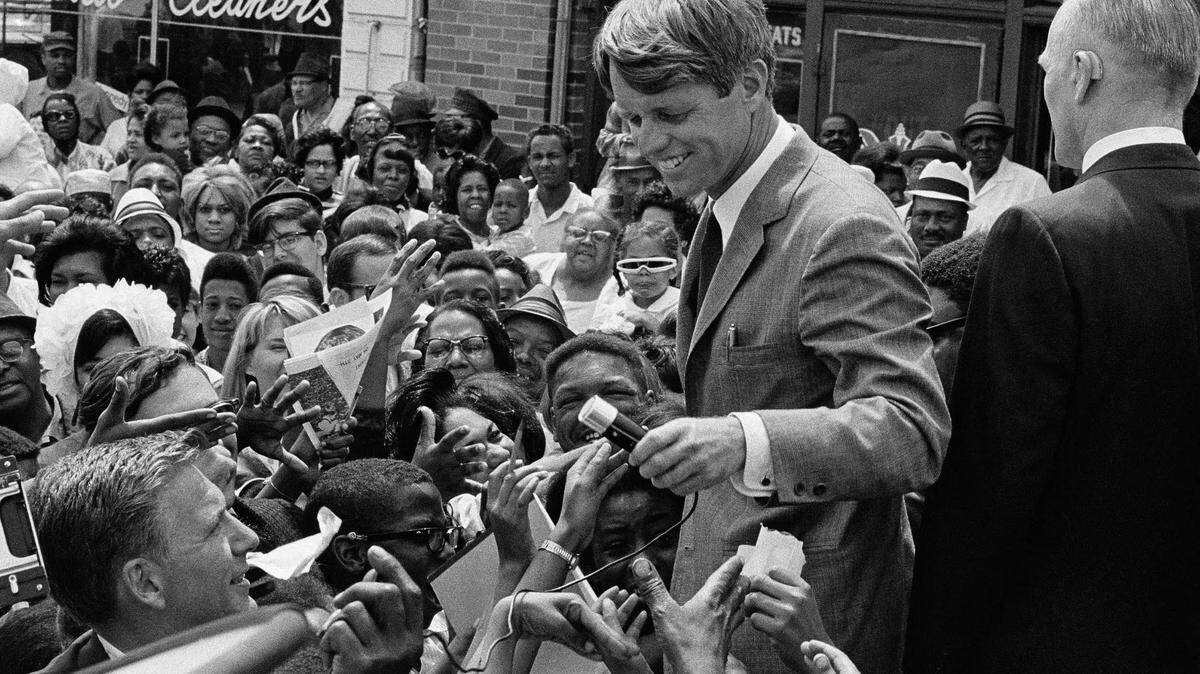
Fifty-six years ago, March 16, 1968, Robert F. Kennedy (Sr.) announced his candidacy for the presidency. Speaking from the same room his murdered brother had eight years earlier, Kennedy said:
“I run to seek new policies — to end the bloodshed in Vietnam and in our cities, to close the gaps between black and white, between rich and poor, between young and old, in this country and around the world.”
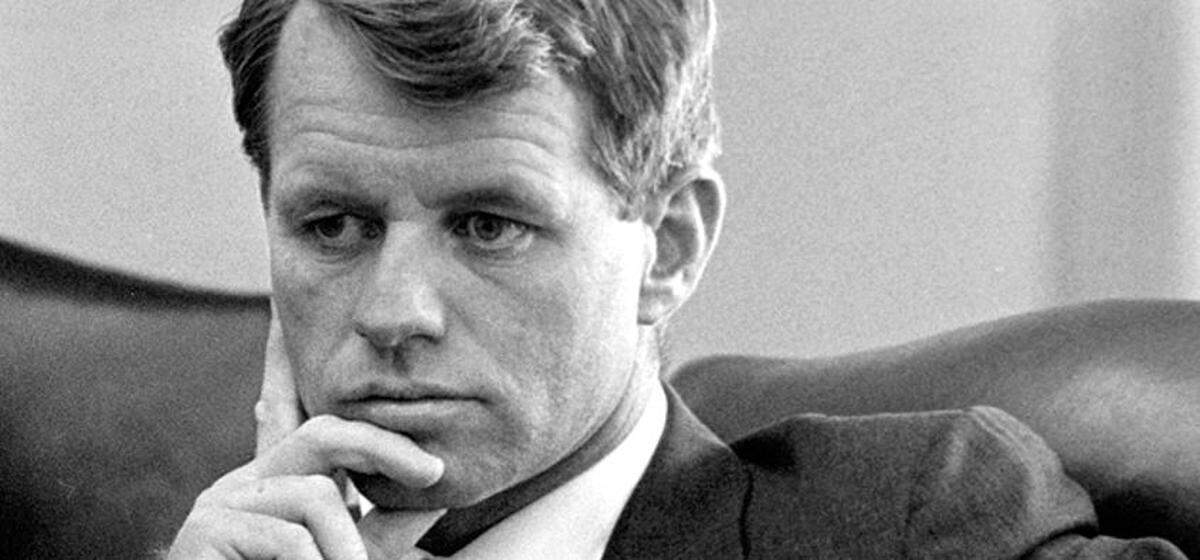
This was the existentially wounded RFK, not the younger pugilistic figure of the McCarthy and Teamster hearings, or his brother’s campaign and cabinet. He was the candidate whose life by then reflected the Aeschylus lines he often repeated: “pain, which cannot forget, falls drop by drop upon the heart until, in our own despair, against our will, comes wisdom, through the awful grace of God.”
No other major presidential candidate in my lifetime, or before, would launch a crusade focusing, foundationally, on “the inexcusable and ugly deprivation that causes children to starve in Mississippi, black citizens to riot in Watts, young Indians to commit suicide on reservations because they lack all hope, and proud and able-bodied families to wait out their lives in empty idleness in eastern Kentucky.”
He could not “stand aside from the contest that will decide our nation and our children’s future.”
I’m modestly obsessed with four episodes of the last months of Robert Kennedy’s life, most of which echo in his announcement speech. His famed trip to the Mississippi Delta in April 1967, his subsequent February visits to eastern Kentucky, his 1968 Delano California meetings with Cesar Chavez and the United Farm Workers, and his haunting speeches April 4 and 5 in Indianapolis and Cleveland following the assassination of Dr. Martin Luther King.
These four episodes mark a politics unseen in America. Their lessons are even more essential in a darkened Trump era than when they were issued.
Beginning in Cleveland Miss., Amzie Moore and a skeptical Marian Wright (Edelman) escorted Kennedy into what Charles Evers called “the worst places I’ve ever seen.” Witnessing Third World starvation, he would “touch the children’s cheeks as if they were his own,” Evers said. In one house Kennedy entered without press or politicians, he tearfully “knelt down trying for perhaps five minutes to get a response from a child.” Edelman said that was the moment she knew Kennedy was real.
In eastern Kentucky he saw “proud lands and proud men who had rallied to the nation’s flag at every danger” stripped of dignity and hope, their children “ravaged by worms and parasites,” their communities “a ruin of strip mines and stinking creeks.” In Delano, Kennedy was inspired and enlightened by Chavez. Delores Huerta said: “Robert didn’t come and tell us what was good for us, he asked what do you want and how can I help? That’s why we loved him.”
Kennedy’s greatest address, an impromptu announcement of Dr. Martin Luther King’s assassination to a mostly Black audience in strife-torn Indianapolis, was delivered despite local authorities’ demand that it be canceled. David Margolick wrote Kennedy was “the only white man who had the credibility and courage to go into the black community and talk about King.” He spoke, amazingly, of Aeschylus, and his murdered brother, asking a stunned audience to reject “bitterness, hatred and revenge” and to commit, with him, “to what the Greeks wrote long ago, to tame the savageness of man and make gentle the life of this world.”
The next day in Cleveland, he would decry “the mindless menace of violence in America which again stains our land and every one of our lives.” “Too often,” he said, “we honor swagger and bluster and the wielders of force.” When you teach that “those who differ from you threaten your freedom or your job or your family,” you learn to “confront others not as fellow citizens, but as enemies, to be subjugated and mastered.”
According to “RFK: His Words for Our Times,” Elie Wiesel wrote that Kennedy had “discovered another dimension of injustice, pain and human folly.” He sought to “show his solidarity with victims everywhere, the poor the sick, the hopeless.”
Kennedy saw an unfolding, long-brutalized, multi-racial democracy and sought, in King’s words, to make it “real.” He believed that he who rejects the stranger, rejects America. Rather than courting violence, he sought “to tame the savageness” of mankind. When faced with danger and division, as we are, he asked us “to bind up the wounds among us and become in our hearts brothers and countrymen once again.”
1968. 2024.
This story was originally published March 16, 2024 at 6:00 AM.