
Figuring out how to share the world’s most disturbing news on campus | Opinion
Content warning: This article mentions suicide. To reach the National Suicide Prevention Lifeline call or text 988 or chat at 988lifeline.org.
The Chronicle of Higher Education published a remarkable story recently about college suicides and the wrenching decisions universities face in responding to a tragedy.
“After a suicide, what information does a college owe its campus?” The Chronicle asked.

It’s not an easy question to answer. The article revisits North Carolina State University’s dilemma during the 2022-2023 academic year, when a spate of 14 student deaths, including seven suicides, sparked intense media coverage and raised fears of a cluster effect, a kind of “social transmission” of self-harm.
University leaders faced pressure from students for detailed information and public mourning, even as mental health experts urged caution about the risks of contagion and trauma.
“Sharing too much can come off as adulation and inspire vulnerable students to act on dark impulses,” The Chronicle reported. “Sharing too little can breed anxiety and set the social-media rumor mill in motion.”
The frenzy of that social-media rumor mill has become an exasperating challenge for public officials. Because so many people — especially the young — now live with their brains constantly online, they’ve come to expect that news and information should be instantly available. If we can see real-time updates from the war in Ukraine or a natural disaster in California, students think, then surely we can know what’s happening across the quad.
The age-old human impulse for curiosity and concern is magnified on a campus, where tragedy hits close to home.
But while communication is instant, reliable information is not. Facts and truth are still stubborn things, hard to gather and always vulnerable to error or misunderstanding. That’s especially true in the middle of a crisis — an accident, a protest, a heartbreaking death. Getting the facts right takes time, and the costs of getting it wrong are high.
That gap between immediate expectation and slower reality has become fertile ground for conspiracy, fear and general distrust. Public officials deliberate and conduct due diligence, while a public accustomed to push notifications and twitchy screen scrolling treats every minute of official silence as evidence of neglect or misconduct.
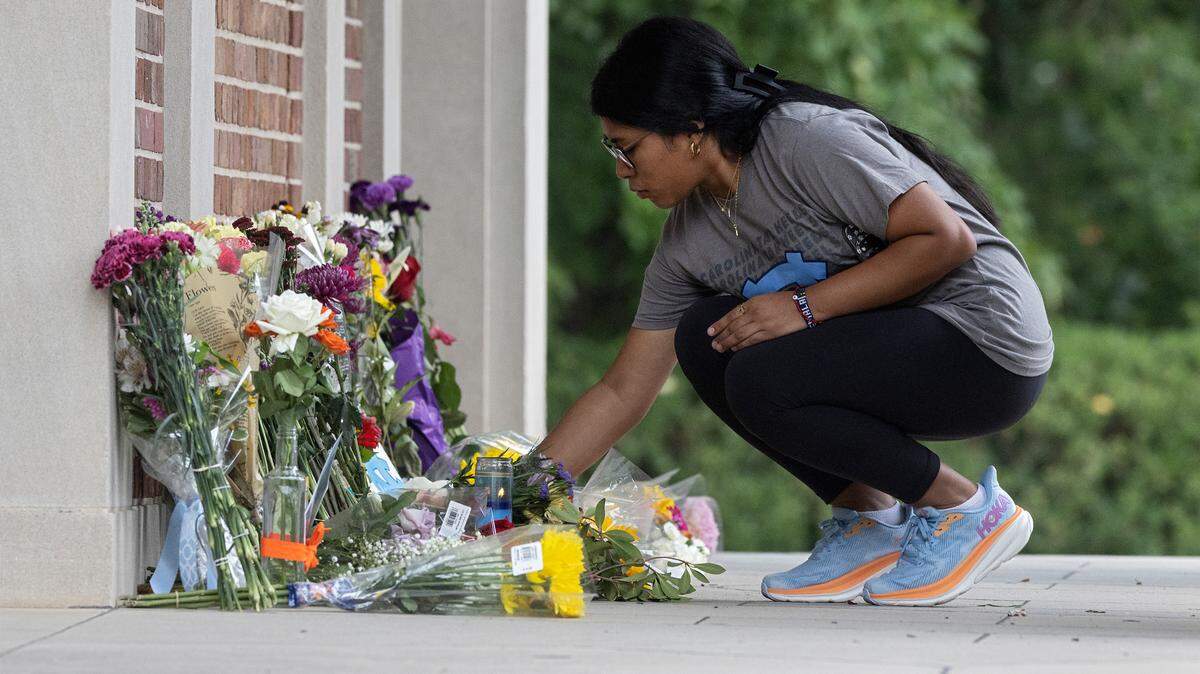
When a UNC-Chapel Hill professor was murdered in his research lab last year, wild rumors circulated on Instagram and anonymous gossip apps about multiple shooters, about gunmen disguised as police officers, about scores of students killed and wounded. None of that was true, but the more straightforward reality — an apparently targeted attack, a single suspect who knew the victim — took hours to establish and many more hours to share.
In the meantime, thousands of students, faculty and parents were so unnerved by the rumors that a Daily Tar Heel front page of terrified text messages became national news.
Everyone I know in public communications is trying to get a handle on this new media environment, to answer the demand for faster information without violating the responsibility to be careful and accurate. We are not very long into the smartphone era; it is still new and strange to have all of the world’s most disturbing news delivered at all hours of the day and night.
We’re all coping, and there are certainly moments when big institutions should be more transparent about decision making or offer faster disclosures. But anxious media consumers need to take responsibility, too. The dazzling speed of our technology makes a false promise — that we can have instant, comprehensive knowledge about still-unfolding events. We can’t, no matter how many times we refresh our screens. Refreshing our expectations — remembering that deliberation and careful thinking are virtues, not liabilities — will take discipline.
That’s the approach N.C. State ultimately took, according to The Chronicle, carefully reviewing best practices for sharing tragic news, explaining them to students and staff, and sticking with them even in moments of intense pressure. It “helped calm things down,” an N.C. State administrator explained. And we could do with a bit more calming.
This story was originally published June 20, 2024 at 8:46 AM.