
How to lower a troubling male suicide rate? End the myths about emotions | Opinion
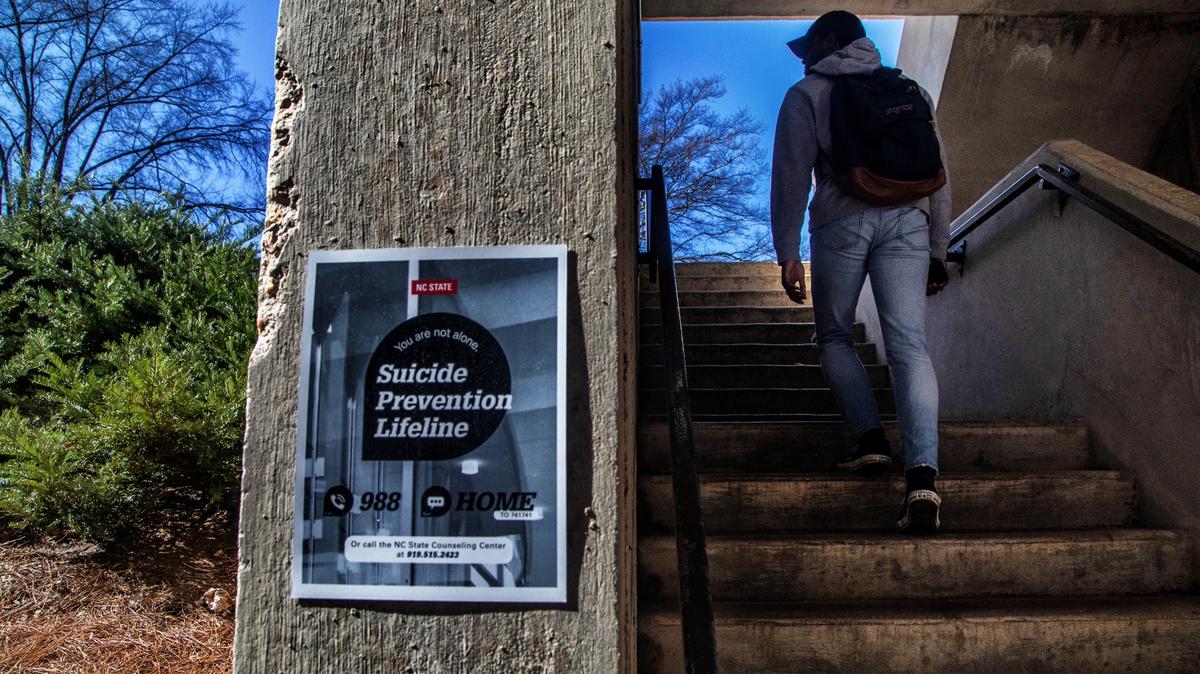
Content warning: This article mentions suicide. To reach the National Suicide Prevention Lifeline call or text 988 or chat at 988lifeline.org.
As you read more local coverage about suicides, you may have noticed that the highest suicide rates occur in males.
Across the spectrum, whether you’re looking at middle-age and older men, students in our universities — including at my alma mater, UNC-Chapel Hill, — or children in our K-12 schools, the highest rates of death by suicide occur in boys and men.
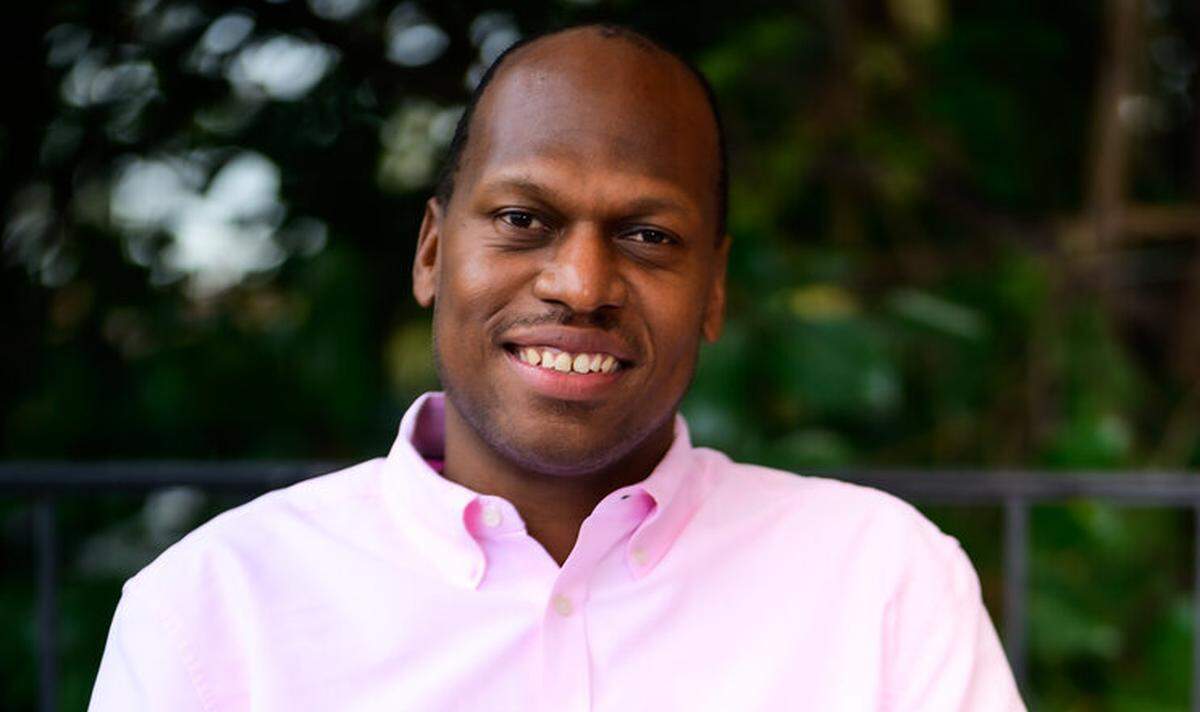
As a therapist that matters to me. As a man who has had to work to manage depression and anxiety for nearly three decades now, it also matters to me personally. I’ve spent my adulthood seeking to find a balance between building on the helpful things I learned growing up from a boy into a man and unlearning myths that have paralyzed me at the darkest points of my life.
In much of the conversation around men, masculinity, fatherhood and more, the commentary is disproportionately deficit focused. Topics center on absenteeism of fathers, toxic masculinity, immaturity of boys, and the various ways that we fall short.
While these conversations and subsequent behavioral changes are necessary, so are more robust and thought-out conversations.
Ironically, one idea that is often presented as a strength — “men are unemotional and logical, while women are emotional” — is rooted in a multi-gender myth. If men are unemotional, how do we have the highest rates of: death by suicide, murders committed, domestic violence, substance abuse, infidelity (though the gap is closing) and heart attacks?
Boys and men aren’t unemotional. But outside of sports, we’re rarely given healthy and sober opportunities to learn how to manage our emotions.
As boys we’re given a bar menu of emotions — laid back, excited (primarily tied to a sporting event or competition), or the most widely used, pissed-off. While someone would say this looks stunted, if a boy/man can limit themselves to displaying these three emotions, it often will help them in three key arenas: appearing cool and making friends, expanding their dating pool, and climbing the corporate ladder to make more money.
The problem is the pissed-off emotion overextends as a shield for many other emotions. Sad, scared, anxious, ashamed, confused, hurt, jealous, insecure, etc. are some of the emotions under the umbrella of pissed-off. However, those emotions are vulnerable ones and therefore considered by some to be feminine and off limits if you’re male — especially if you want to excel in the arenas above.
So what do boys and men do with these vulnerable emotions shielded by anger? We explode inward and/or outward, of course.
My challenge for boys and men moving forward is to reclaim the definition and perception of masculinity. Competition is a good thing. We just need to channel it in a healthy way, even if it is simply being the healthiest version of myself as a 43 year-old dad.
As cool as the idea of being a self-made man may seem, let’s be clear there are no self-sustained men. We are built for and sustained by connection. Build a squad. Let’s end the myth of being unemotional and instead acknowledge early on that we deal with all the same feelings that girls and women do, and let’s develop healthier ways to deal with them.
Let’s take the energy of being protectors and extend it towards each other. Check in on each other and support others in getting help. Start a group text. Invest in the idea of our schools having sports, arts and extracurriculars, but also having mental health professionals who can help children develop socio-emotional skills early.
Boys and men don’t have to stop talking trash with each other. But let’s also make space to deal with real pain before it’s too late.
This story was originally published July 8, 2024 at 6:00 AM.