4 ways the GOP’s Project 2025 could dramatically affect North Carolina | Opinion
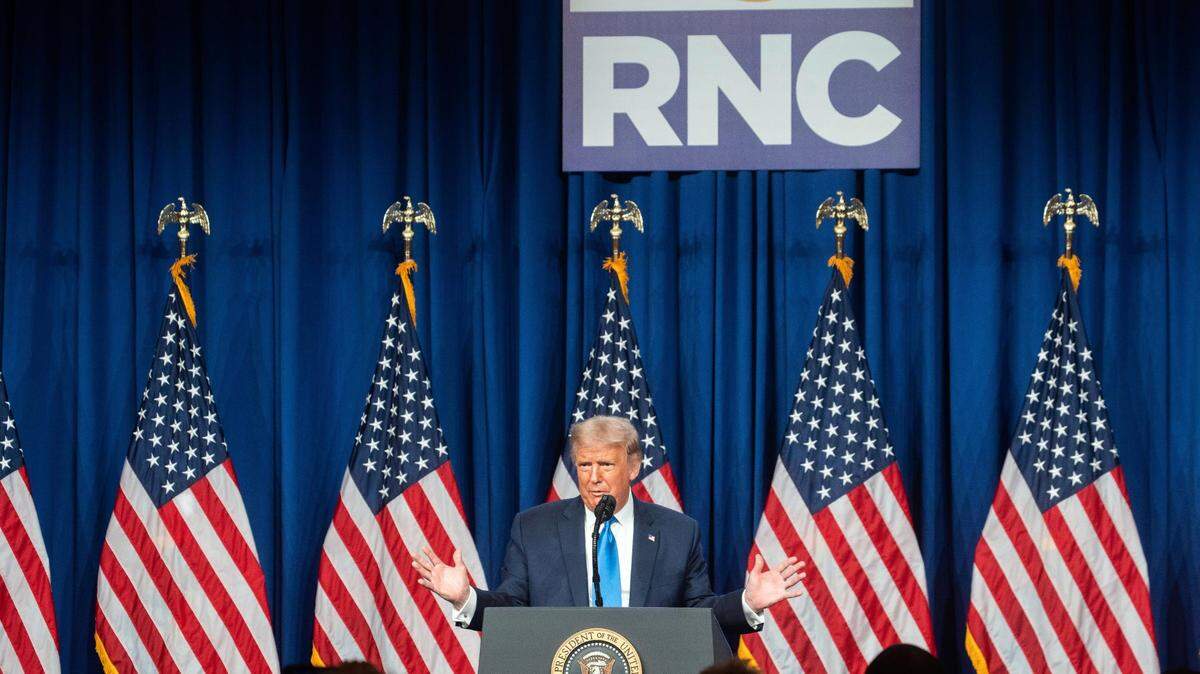
The Republican National Convention kicks off this week, and Project 2025 is emerging as one of the biggest issues of the 2024 election cycle.
Project 2025 is a set of policy proposals — a blueprint, so to speak — for the next Republican president. It’s 900 pages long, and it contains plans to radically expand the president’s powers and fundamentally reshape our country’s government as we know it — with severe consequences for our democracy. Trump has tried to distance himself from Project 2025 and disavowed the plan, claiming that he has no idea who is behind it. However, a CNN report found that at least 140 people who worked in Trump’s administration contributed to Project 2025, and dozens more are associated with conservative groups involved in the plan.
Here are some of the biggest changes proposed by the plan and how they would impact North Carolina:
Education
The plan calls for the abolition of the Department of Education, which would strip public schools of key funding sources. In particular, Project 2025 would lead to the eventual elimination of Title I, a federal program that provides funding to schools with large populations of low-income students. Half of North Carolina’s roughly 2,500 public schools receive funding through Title I, which allows them to offer additional programming and hire more staff to support students who need it most.
Federal jobs
Project 2025 proposes dismantling a number of federal agencies, as well as reclassifying thousands of federal workers as political appointees so they can be fired and replaced when a new president takes office. According to the Congressional Research Service, more than 47,000 civilians in North Carolina are employed by the federal government — far more than in most states.
Health care
Project 2025 proposes changes to Medicaid that could jeopardize health care coverage for millions of Americans. They include the imposition of “targeted time limits or lifetime caps” on Medicaid benefits, which places limits on how long people can be covered by Medicaid during their lifetime. According to the Center for American Progress, a progressive think tank, there are more than 900,000 North Carolinians enrolled in Medicaid who could lose coverage if these limits are imposed.
The plan also calls for repealing the drug price reforms in the Inflation Reduction Act of 2022, which could increase prescription drug prices for seniors on Medicare. The Center for American Progress estimates that nearly 700,000 North Carolinians could see increased costs if the reforms are repealed.
Abortion
The plan calls for the U.S. Department of Health and Human Services to be known as the “Department of Life” by “explicitly rejecting the notion that abortion is health care.” Suggestions include rescinding the FDA’s approval of abortion medication; limiting access to emergency contraception, including morning-after pills and IUDs; and conducting “abortion surveillance” by deputizing government agencies to collect data on miscarriages, stillbirths and other pregnancy-related issues.
Project 2025 would also make it illegal to mail abortion medication under the Comstock Act, a 19th century law that bans the mailing of abortion drugs but has not been enforced in decades. Anti-abortion advocates have touted the Comstock Act as a way to effectively ban abortion without having to pass a national ban on the procedure.
Not only would that impact pregnant people living in North Carolina — and potentially increase the state’s already-high maternal mortality rate — it would also affect people in the South who live in states with even stricter abortion bans and travel here to receive care.
The plan is not an official campaign platform, though, nor is it binding in any way — so there’s no guarantee any of these policies will be implemented. But it does offer a glimpse of what right-wing groups might want out of a second Trump presidency, and what Trump allies may advocate for if they are appointed to influential positions in his administration.