Rents in Charlotte are dropping. Is a bigger housing dip coming? | Opinion
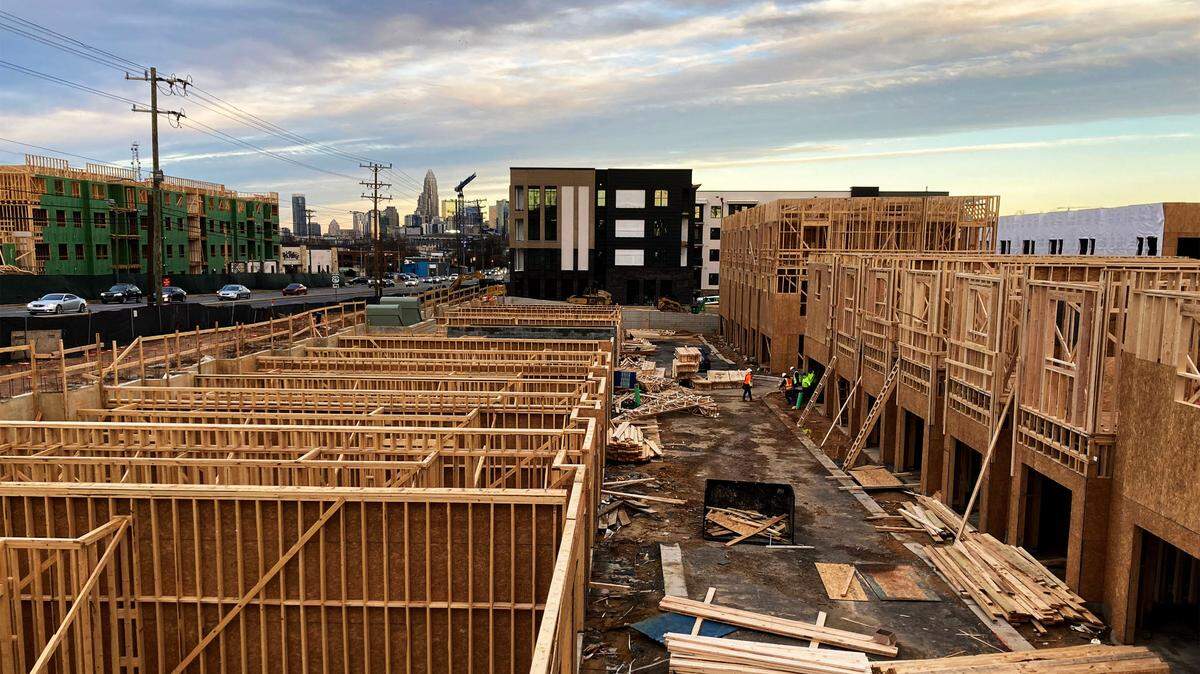
I pay nearly $300 less in rent than I did when I moved to Charlotte two years ago. But I live in the same neighborhood — on the same street, even — in a building with all the same amenities. And when my lease started nearly a year ago, the first month’s rent was free.
That’s happening across the city. After a period of record-high demand and skyrocketing rent costs, rent in the Charlotte area is now falling faster than in most parts of the country. Asking rents are down approximately 2% from their peak in 2022, according to data from real estate research firm CoStar.
It’s more pronounced in other Sun Belt cities, but most of all in Austin, Texas, which has seen an explosion of growth in recent years. The Wall Street Journal reported earlier this year that in Austin, rents are down around 7% and housing prices have fallen more than in any other city, an indication that the hottest housing market in the country is cooling down.
That’s due in large part to a construction boom that has drastically increased housing supply in markets across the country. In Charlotte, 15,352 units were added last year, which is double the average number of units added per year between 2015 and 2019, Chuck McShane, CoStar’s director of market analytics, said.
“While there are cycles in supply and demand that happen in the apartment market, this is definitely an unusual one, a more extreme one than typical,” McShane said.
Thousands of apartment units are under construction in NoDa (where I live) alone. The street I live on looks totally different than it did when I first moved here, with half a dozen new apartment buildings popping up in a roughly half-mile radius. And with supply outpacing demand, it’s driven down prices to attract the renters who are out there. It’s also become common for apartments to offer concessions, such as a month of free rent, to sweeten the deal.
Demand for apartments peaked toward the end of the pandemic, as people began to return to “normal” life. In response to high demand — and high rent — a construction boom began, and many of those apartments have begun to open up in recent months. In Austin, demand and supply peaked more than in most cities, which explains why the effects are so drastic now.
It’s also driven by policy. McShane said that the increased construction is happening primarily in markets with less stringent zoning requirements. In Charlotte, that includes the rezoning of certain areas to transit-oriented development and allowing for taller building heights and lower parking minimums.
While home prices are also plunging in Austin, that’s not happening in Charlotte, said Yongqiang Chu, a professor of real estate at UNC Charlotte. Home prices in Charlotte are still increasing, although not as much as they previously were. That’s because Charlotte did not see the same increase in supply that Austin did, according to Chu. That’s driven by policy as well, as new policies in Charlotte have done more to incentivize denser development than single-family homes. But it’s also because many of the people moving to Charlotte and driving market demand are younger professionals looking to rent rather than buy, Chu said.
“Austin has been changing a lot in terms of the zoning codes to make development a lot easier,” Chu said. “I think Charlotte is moving much slower on that front.”
Don’t expect Charlotte rents to plunge as much as they did in Austin, though. McShane said he expects that for the time being, rent growth will remain flat or negative. But he expects the rental market to tighten back up in the next couple of years, as construction has already slowed down in response to the current competition in the market.
Of course, this is bad news for anyone who invested in Charlotte property that may turn out to be less valuable than they thought. But it’s also made renting an apartment slightly more affordable in Charlotte, and that’s a good thing. Still, the typical asking rent in Charlotte is around $1,599, and that’s something that still remains out of touch for many people. But for now, even the briefest drop in prices is certainly welcomed.