Abortions have increased since NC’s ban took effect. That’s not the whole story | Opinion
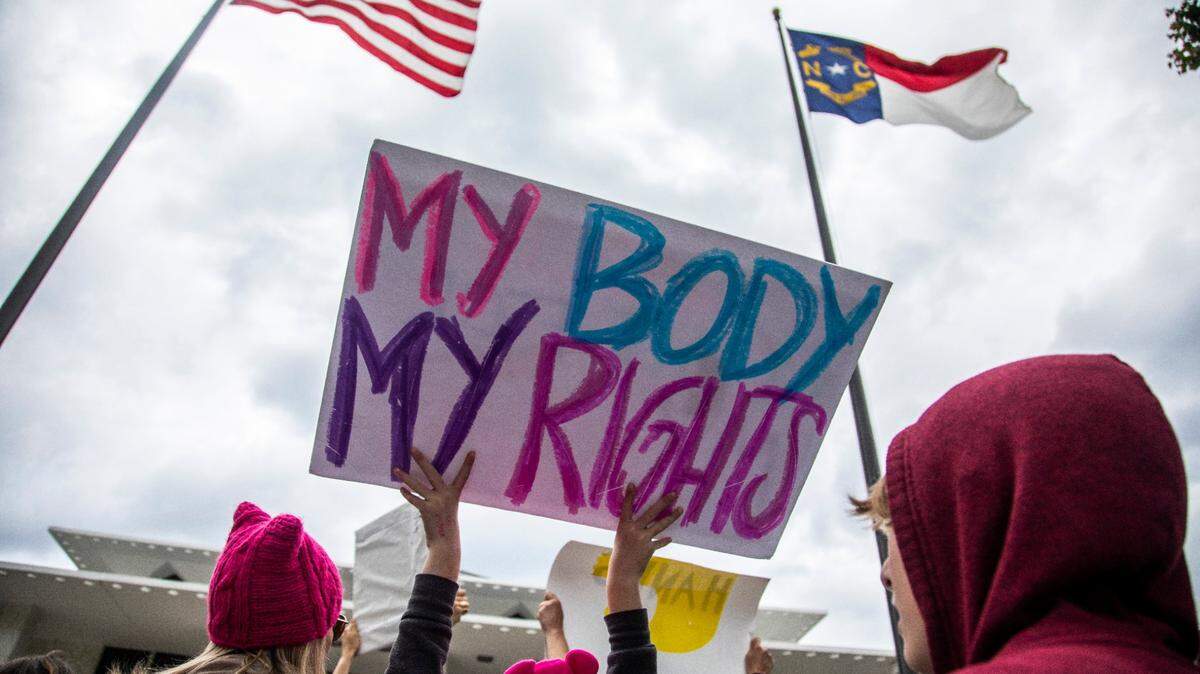
Since the end of Roe v. Wade more than two years ago, North Carolina has felt the consequences. The state’s 12-week abortion ban, which took effect last year, has had severe impacts for people inside and outside of North Carolina.
One statistic that might be a surprise to some: the number of abortions provided in North Carolina has increased since April 2022, the month before the leak of the draft opinion overturning Roe v. Wade, according to a report from the Society for Family Planning. In March 2024, the most recent month for which data is available, an estimated 3,980 abortions were administered — an increase of 21% from April 2022. Estimated abortions have increased nearly 27% since July 2023, the month that North Carolina’s 12-week abortion ban took effect.
That’s consistent with what’s happening across the country. Nationwide, abortions have continued to increase since the U.S. Supreme Court overturned Roe v. Wade, despite the fact that abortion access in many states has been drastically curtailed. That’s in large part because of the rise in telehealth and medication abortions, as well as new laws in blue states that help reduce barriers to care.
In North Carolina, the rise in abortions can largely be attributed to patients traveling from other states to receive care. That effect was particularly acute between May 2022 and July 2023, when North Carolina still permitted abortions until the 20th week of pregnancy. Abortions dropped dramatically in July 2023, when the 12-week ban took effect, before increasing again in subsequent months.
Even now, North Carolina’s 12-week ban is more permissive than most states in the Southeast, which has made NC a regional destination for many patients seeking abortions. Calla Hales, co-owner and executive director of A Preferred Women’s Health Center, said that a majority of patients at her clinics are people from out of state. Before the Dobbs decision, only about 30-40% of patients came from out of state, most often from South Carolina or Virginia, Hales said. Now, patients are traveling from much farther.
The truth is that even though data shows an increase in abortions in North Carolina, the reality is that abortion care has become far more difficult for patients and providers alike, Hales said.
In addition to banning elective abortions after 12 weeks, the law requires that patients receive in-person counseling 72 hours before the procedure. That makes it particularly difficult for patients who are coming from out of state and may be unable to take off work for that long or cannot afford to pay for lodging or multiple trips. Even patients who live in North Carolina may have to travel for care, as the state only has 14 abortion clinics in nine different counties. Rural NC communities are particularly affected, with the closest clinic sometimes located hours away. And all of this has to happen before the end of the first trimester, despite the fact that it may take nearly that long to even realize a pregnancy.
North Carolina’s restrictions also are difficult for providers, as they force providers to schedule more appointments to serve the same number of patients. The law also has increased reporting requirements for providers, which means more time spent doing paperwork. Hales said her clinics have had to hire additional staff in order to keep up.
“Frankly, it is impossible to meet the demand. We are having to turn patients away. We are having to refer them out of state because they will not meet the deadlines,” Hales said. “We are forced in these positions to tell patients that we cannot help them, and it is so difficult and so heartbreaking.”
Nonetheless, the data has made one thing clear: if the goal of the anti-abortion movement is to banish abortion in North Carolina and across the country, it’s a goal that has not been successful. There’s no question that obtaining an abortion has become financially, legally and logistically more difficult. The law’s ambiguity, particularly when it comes to outlining exceptions for medical emergencies, endangers patients and puts providers in legal jeopardy. But despite the best legislative attempts at limiting abortion — at least so far — it certainly has not gone away.