Charlotte goes full speed ahead on transit plan despite unanswered questions | Opinion
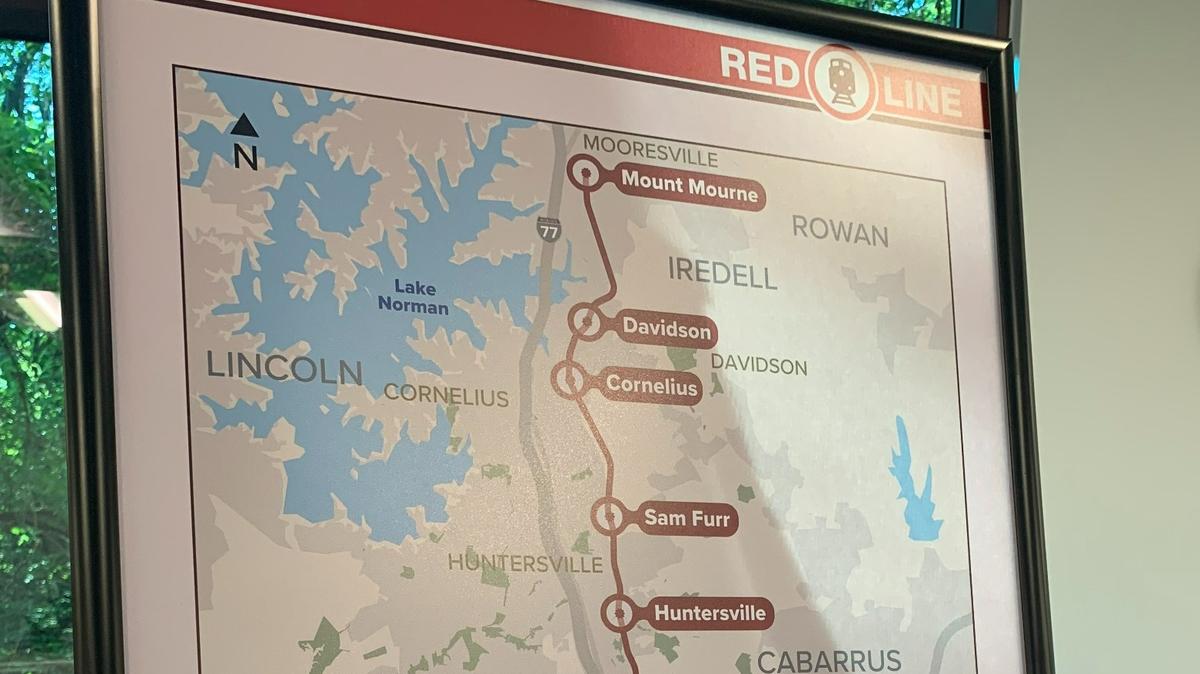
Charlotte City Council will vote next week to purchase railroad tracks and land from Norfolk Southern — finally! — for the Red Line commuter rail project that will run from uptown Charlotte to northern Mecklenburg County.
It’s a purchase approximately 25 years in the making, but it feels like the city is moving too fast.
Why? Because they don’t have the money to build on it yet — and there’s no guarantee they’re going to get it.
Acquiring the tracks for the Red Line is just a first step. The city will still have to finish building it, which is an expensive project. But the money to build the Red Line would be sourced from a 1-cent sales tax increase approved by both the legislature and Mecklenburg County voters, and it’s not decided if or when that will appear on the ballot.
So it’s a risk, and one that council members acknowledged during a discussion Monday night. If voters reject the referendum — or if it never makes it onto the ballot in the first place – the city will be left with 20-something miles of railroad track that they can’t build on.
It’s not that the risk isn’t one worth taking. The Red Line is a project that should have been completed long ago — not just to keep a promise, but because it would be valuable to the region. The problem is that the future of the Red Line is tied to the success of the broader transit plan, and that plan’s fate has yet to be determined.
There are too many questions left unanswered, and the biggest one of all is whether it even has a future. Council members will also vote next week on proposed state legislation for the sales tax increase, which would fund a plan that is so far largely undecided. The only thing that is officially part of the plan so far is the Red Line.
The legislature’s Republican majority is notoriously sour on tax referenda, and they’ve been openly critical of Charlotte’s transit plan. The 40% cap on light rail spending was added in an attempt to appease legislators who wanted to see more money spent on roads, but it’s still not clear if they’ll approve it, especially when there’s local opposition. And, frankly, there hasn’t been enough discussion about whether a 1-cent tax is still enough to fund a plan whose price tag was calculated four years ago.
That’s not lost on people in Matthews, who have been vocal about their opposition to the pared-down version of the plan. East Charlotte isn’t happy, either, because it’s located along that portion of the Silver Line, too.
City leaders insist that the details of the plan, most notably which projects will be funded and which will be cut, will be ironed out over the next year with significant community input and discussion and ultimately decided on by a new regional transit authority. In other words, there has been no official decision to cut the portion of the Silver Line that runs to Matthews — yet.
But, as at-large council member Dimple Ajmera pointed out, there’s a math problem here. No matter how you crunch the numbers, there’s just no way to fund all rail projects when light rail spending is capped at 40% of the transit tax revenue and the Red Line is the top priority.
“We can’t say this is up to the transit authority to decide when we know we won’t be able to deliver on the promises we made,” Ajmera said.
Perhaps the risk would be worth taking if the broader transit plan felt like a done deal. But it doesn’t. Still, some city leaders didn’t seem overly concerned about purchasing the Red Line tracks while funding for the project remains an open question. They suggest that the city could simply sell the tracks or attempt to pass the transit tax once again. But what makes them think that the legislature will allow a second referendum if the first one fails, or that voters will somehow change their minds the second time around?
None of this is to say that the Red Line, and the transit plan more broadly, aren’t worthy investments, because they are. They’re long overdue, and tremendously important for the future of Charlotte and the region. And it’s for that reason that the city should take things slowly — they don’t have unlimited chances to get it right.