How effective are NC’s business incentives, anyway? One expert weighs in | Opinion
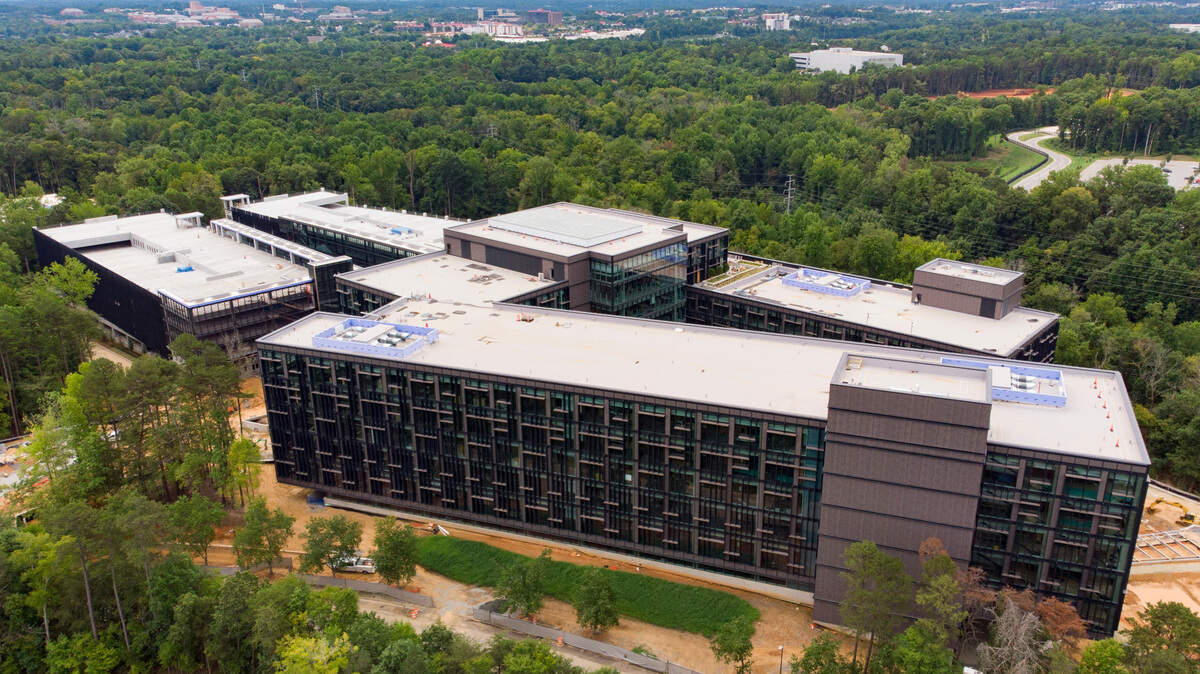
State leaders often attribute North Carolina’s “best for business” reputation to its strong business climate, including its tax incentives program and lower corporate income tax rate.
But how valuable are those incentives anyway?
More incentives packages than usual have been canceled so far in 2024, while corporate relocations and expansions have slowed. Other projects are moving slower than expected: Apple will reportedly pause development on its proposed Research Triangle Park campus, while VinFast, the Vietnamese electric car maker opening a manufacturing plant in Chatham County, now says production will not begin until 2028.
For the most part, that has nothing to do with North Carolina. But John Quinterno, a professor at Duke University, says maybe it’s time for North Carolina and other states to rethink their incentive programs.
Up until the late 1990s, North Carolina used a different strategy to lure businesses to the state. The idea was that investing in things like infrastructure and education would make North Carolina an attractive place to do business, because a strong workforce would create a healthy business climate. That changed in the 90s when North Carolina lost its bid for Mercedes-Benz’s first U.S. assembly plant to Alabama, which offered the company a rich incentives package.
Eventually, it evolved into what it is today — a job development investment grant (JDIG) program that rewards cash-based incentives in exchange for investing in the state. The incentives are tied to performance, meaning that companies don’t receive any tax breaks unless they meet their stated hiring goals. The results have been mixed, particularly in a post-COVID world where many companies aren’t necessarily hiring local employees to work in an office anymore.
Quinterno believes that in some cases the incentive is merely subsidizing companies to do something they would have done anyway — or, conversely, the incentive isn’t enough to sway them into making a different decision. The former has seemed more common lately. One of the most notable examples is Centene, who was supposed to build a $1 billion headquarters that was the largest single jobs announcement in North Carolina history. But in 2022, Centene backed out of the project altogether.
David Rhoades, a spokesperson for the North Carolina Department of Commerce, argued that incentives do matter.
“No amount of incentives will win the day if the underlying business fundamentals are not in place … But in cases where the choice comes down to an out-of-state location that also has those fundamentals in place, there’s no question that economic development incentives make a difference,” Rhoades said in an email.
Ultimately, Quinterno said, money allocated for incentives is money that could have been used for other purposes, like schools, roads and public safety. But it’s also coming directly out of workers’ own pockets, because grants are based on a percentage of personal income tax withholdings associated with the jobs created by the project.
“In a way, what the subsidies are doing is the workers are paying their bosses for the privilege of having a job,” Quinterno said. “I don’t think people realize that, but that’s where the money is coming from. It’s kind of wild, if you think about it.”
Rhoades said that “economic development projects grow the overall economic pie, generating more tax resources that directly benefit a community.”
While these economic development projects are often introduced to great fanfare, they historically have not met the targets they promised. The majority of JDIGs awarded often end prematurely, an analysis from The News & Observer found. Of course, since the incentives are only awarded if and when the goals are met, this doesn’t mean that North Carolina is throwing away money. But it does call into question whether the program is one worth keeping.
“I think the question is, what does the public get from it?” Quinterno said. “If we’re not necessarily getting the promised jobs, and we’re not necessarily getting as much revenue as would otherwise be available, and it reduces the amount that’s available for other public purposes, is it that great of a deal?”