
Our western NC neighbors need our help now and long after the waters recede | Opinion
The headlines will fade. Our focus will return to the presidential and North Carolina gubernatorial races.
The water will recede. Rivers will return to usual levels and flows. The tears will dry.
It’s then residents of western North Carolina and other areas hit hard by Hurricane Helene will need our help most, for us to not forget their suffering.
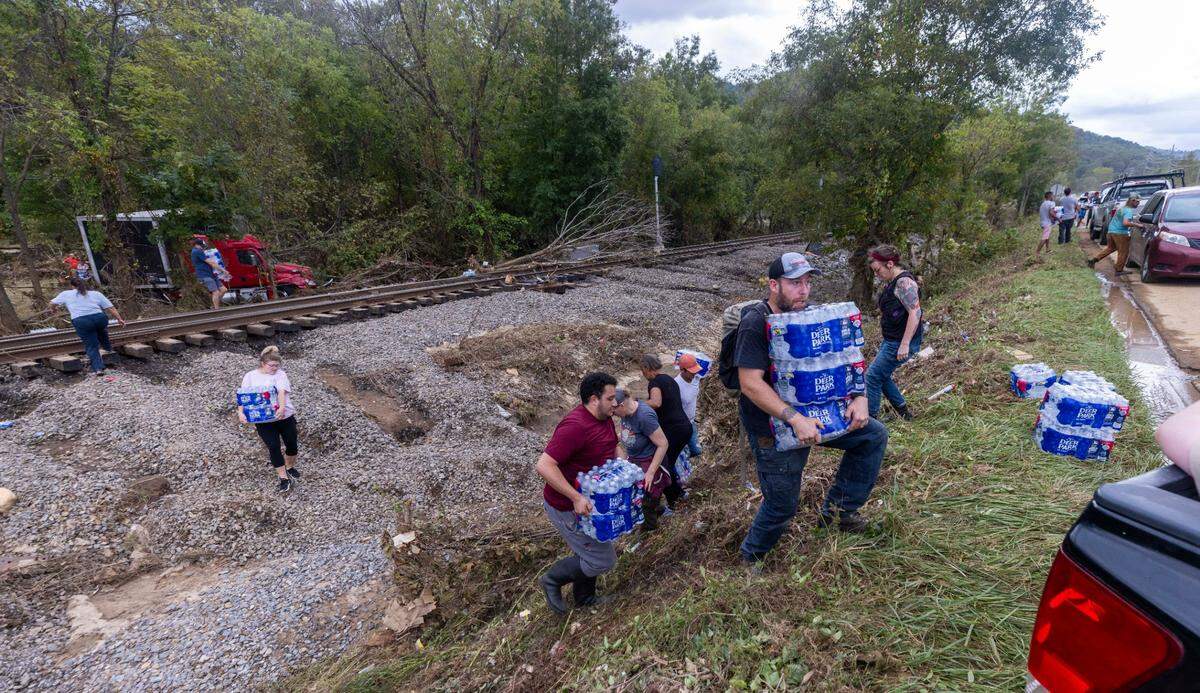
They need an enormous amount of help today, too, of course, to just be able to survive. The rescues, the tree-cutting, the restoration of basic infrastructure – roads and electricity and schools and the like – must continue. Prayers and good will from those who can’t assist directly are also invaluable.
But it’s over the long-haul the suffering will need our help the most, just as the state’s and nation’s attention will once again be pulled in a thousand different directions.
I saw it happen as a high school student in the aftermath of Hurricane Hugo, which nearly wiped my native St. Stephen, S.C., off the map 35 years ago. At least that’s the way it felt the morning after the storm passed. It took our house and kept us out of school for weeks as we tried to re-establish what little we had. My fondest memory are the hot meals we received from the American Red Cross. They remain the best thing I’ve ever eaten.
The rest of the world seemed to just get on with other more important things, things more important than us. That’s the way it felt. Intellectually, I understood why it had to be that way. The Earth doesn’t stop rotating on its axis because a group of vulnerable people are struggling. It still felt cold, though, made us in a sense feel forgotten.
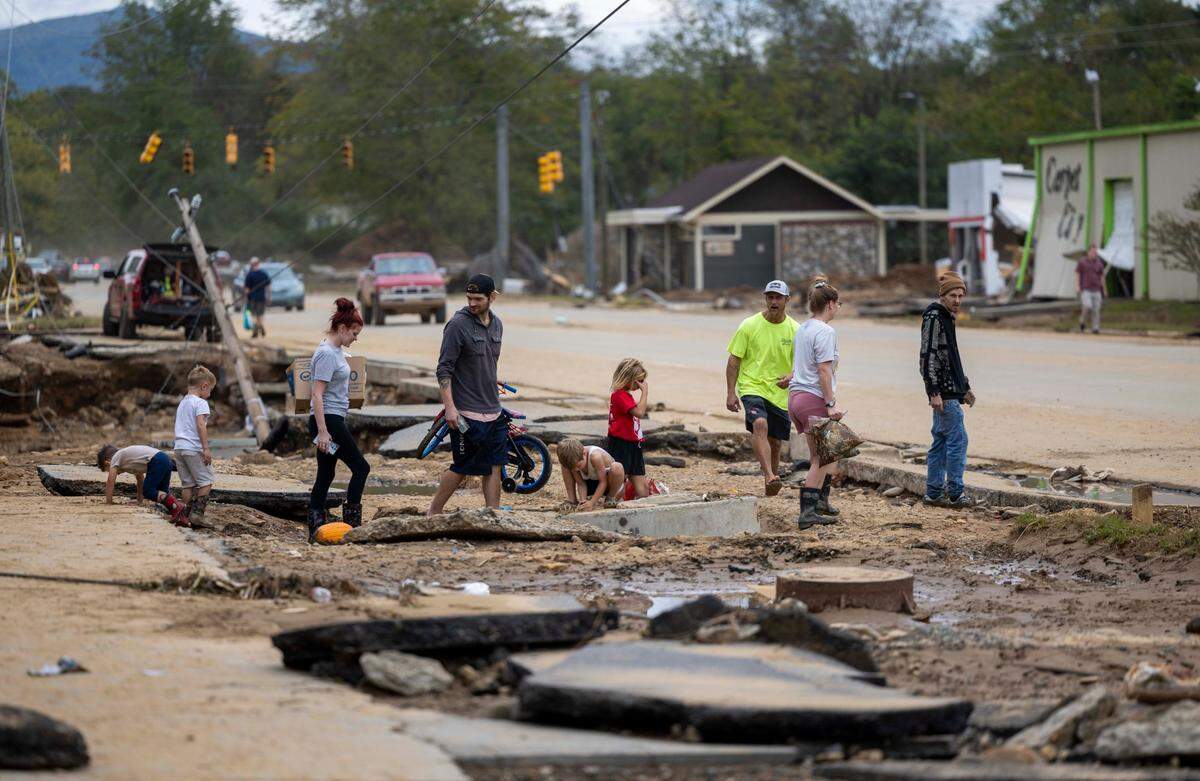
I saw a repeat a decade later when I was a journalist covering the aftermath of Hurricane Floyd. There was the initial rush to help, to pray, to prioritize community above politics and partisanship. But as the Waccamaw River returned to its banks, that collective spirit began fading. Even the short drive between Myrtle Beach and Conway felt like leaving one country for another, the damage that starkly different. Helene left a similar haphazard path of damage.
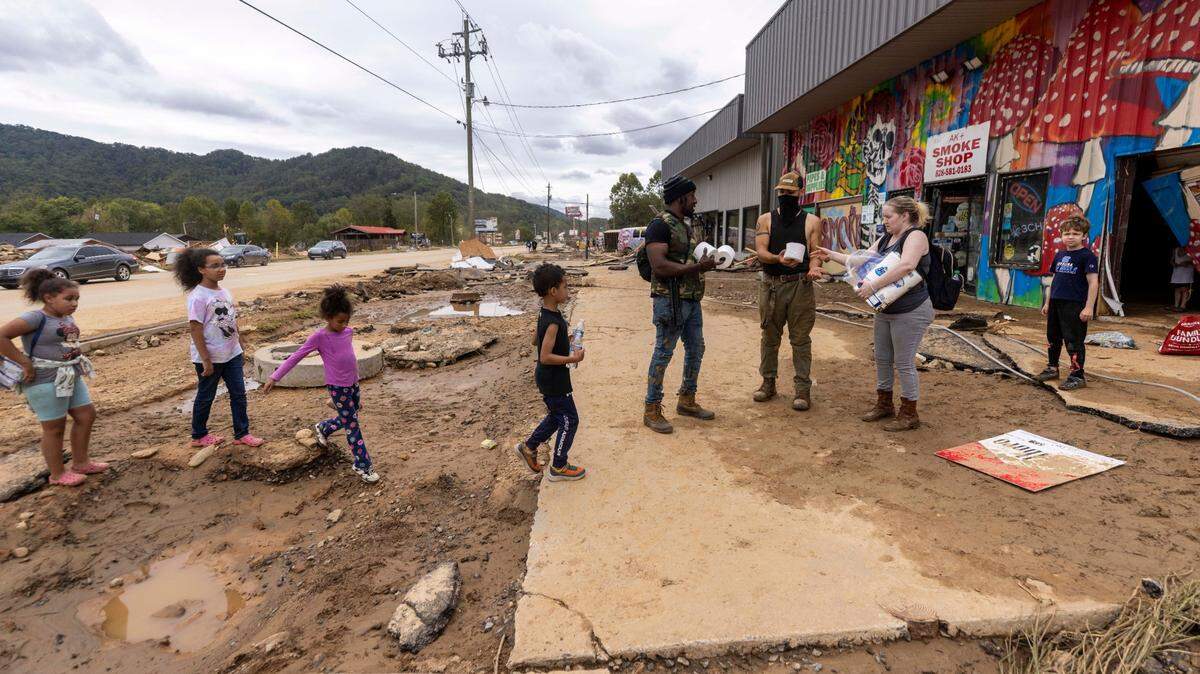
In Asheville, flood waters nearly reached the roof of a Wendy’s restaurant and dislodged a house from it foundation, sending it down the river until it crashed into a tree. There were reports from small communities such as Banner Elk in Avery County, Black Mountain and beyond that they were effectively cut off from the rest of the state.
Rescuers had to leave bodies behind to get the living to safety.
There was more death and extreme destruction in Florida, where Helene came ashore. In South Carolina, Greenville residents reported tree lines in their backyard being knocked over.
In my part of North Carolina, there was no death and little destruction. On the morning after Helene, I saw a large uprooted by the storm. It had been removed within hours. Oh, our power went out, for maybe 30 minutes.
That’s typical of natural disasters. They don’t care if we plan to vote for Kamala Harris or Donald Trump, don’t care about the size of our house, how important the roads we need to get to work.
They are unimpressed by our business acumen or the number of degrees hanging on our walls.
They don’t discriminate even if we do.
We are all always in the path of natural disasters. It’s just that Helene’s chosen path was through western North Carolina rather than the eastern part of the state – this time.
That’s why this is a time to remember the fellow human beings who got hit hard will need our help long after we’ve begun debating who won Tuesday night’s vice presidential debate.
The next Hugo, Floyd or Helene might come knocking on our door, if not knocking over our homes.
We should wise enough to want a strong infrastructure in place to help us when our time come. Because that time is likely coming.