
Stop the games. Make NC healthier by expanding weight-loss drug coverage | Opinion
North Carolinians have many reasons to care about new medicines that reduce obesity. For one, 45% of us are considered obese, with body mass indices of 30 or higher, a bit above the national average. Partly as a result, we also exceed national averages for heart disease, strokes, heart attacks, diabetes, high blood pressure, kidney disease and arthritis.
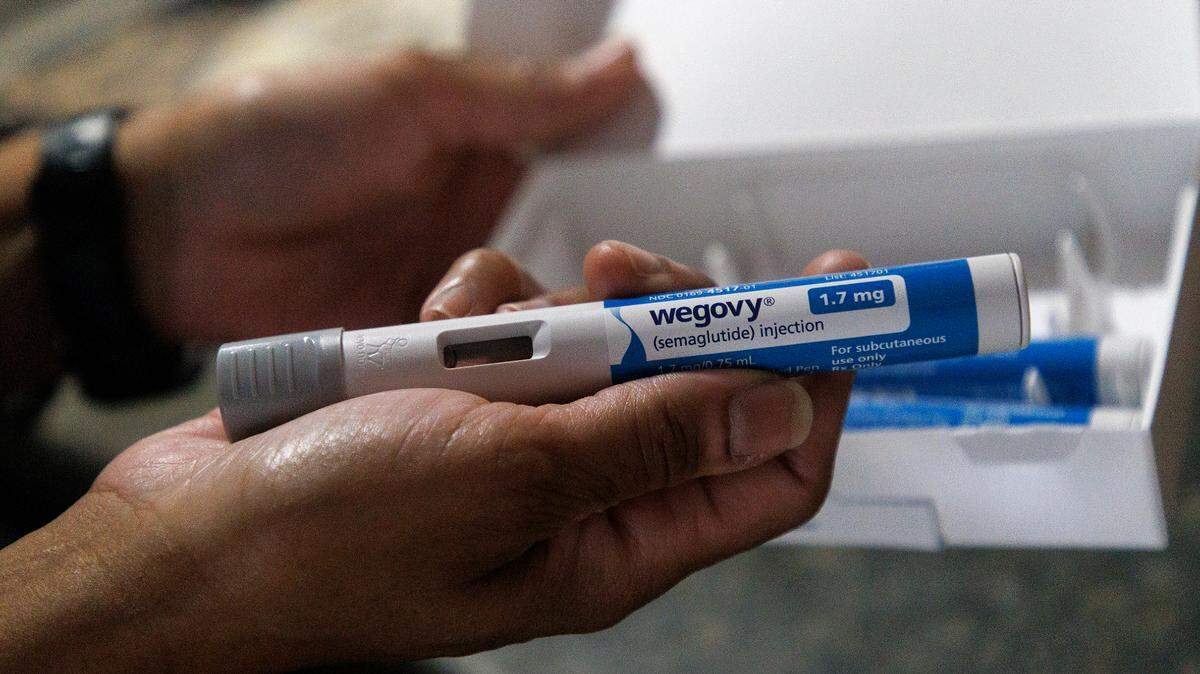
Diet and exercise alone are rarely successful in treating obesity. But after years of development by scientists, doctors and ordinary people in clinical studies, six FDA-approved treatments, such as Wegovy, Saxenda and Zepbound, are available to help people with obesity treat their condition safely and effectively. North Carolinians can be proud that drug makers are investing billions of dollars in our state and hiring our people to manufacture these life changing medications.
But despite the benefits of such medicines, many people who could most benefit from them can’t get them. Although these medicines are affordable when covered by insurance, many plans do not yet cover them.
State and federal lawmakers have made nearsighted decisions to pay for the costs of obesity but not the cost to treat it. They should reconsider policies that limit the availability of these life-saving drugs in state health plans and in the Medicare Prescription Drug Program, and they should encourage private employers to include them in their health insurance plans.
Estimates of treatment costs are overblown. Discounts from drug manufacturers to health insurers and pharmacy benefits mangers reduce the costs by 50-80%. As more patients discover the benefits of these drugs, more competitors move into the marketplace, which also lowers prices. Even so, some insurers and pharmacy benefits managers refuse to cover them for their patients. That’s shortsighted, because the costs of treating diabetes, heart disease and other illnesses tied to obesity are increasingly a bigger share of what we spend on health care.
North Carolinians should be especially disappointed by the State Health Plan’s Board of Directors’ narrow vote in January to cancel obesity medicine coverage for about 750,000 public employees and their families. This action was taken at the behest of outgoing State Treasurer Dale Folwell.
In a recent letter to U.S. Sen. Ted Budd, state House Speaker Tim Moore said that Folwell’s “math does not add up,” adding his reasons conflict for rejecting the drug. First Folwell blamed “corporate greed,” even though the State Health Plan Board’s data showed that pharmacy claims had declined and were expected to keep dropping, while medical claims were rising and increasing costs. Then in a June 3 letter to state lawmakers, Folwell blamed the state health plan’s challenges on the federal Inflation Reduction Act and federal regulations. Which is it?
Recently, Folwell spoke at a forum in Washington D.C. hosted by U.S. Sen. Bernie Sanders of Vermont advocating for government price controls and giving away drug patents of companies manufacturing in North Carolina to generic drug makers, threatening jobs in the state.
Many brand name and generic drugs Americans depend on are manufactured in China. As the COVID pandemic showed us, we must end our dependence on foreign supply chains. Folwell and Sanders should acknowledge that the right way to lower prices on obesity drugs is through better insurance coverage, not price controls.
State lawmakers should require the State Health Plan Board to restore weight loss drug coverage to North Carolina’s 750,000 workers, allowing the state to negotiate big discounts for covered medicines. North Carolina is a leader in pioneering medical research and advanced manufacturing. But because the state doesn’t offer insurance coverage for obesity treatment, it’s missing out on the benefits of some of its own products for its own people.
Meanwhile, the state and federal governments cover obesity medicines for low-income citizens on Medicaid, but not for the elderly ill and disabled on Medicare. So people receiving successful treatment under Medicaid can lose it when they transition to Medicare at age 65, harming some of our most vulnerable citizens.
Six of North Carolina’s members of Congress — two Republicans and four Democrats — have co-sponsored federal legislation that would lift the ban on Medicare obesity treatment. Republican U.S. Sen. Thom Tillis can use his influence on the powerful Senate Finance Committee to support it.
North Carolina can do better. Let’s stop playing political games and instead make our people and our economy healthier at the same time.