
I see rural healthcare shortfalls as a nurse. NC’s SAVE Act will fill the gaps | Opinion
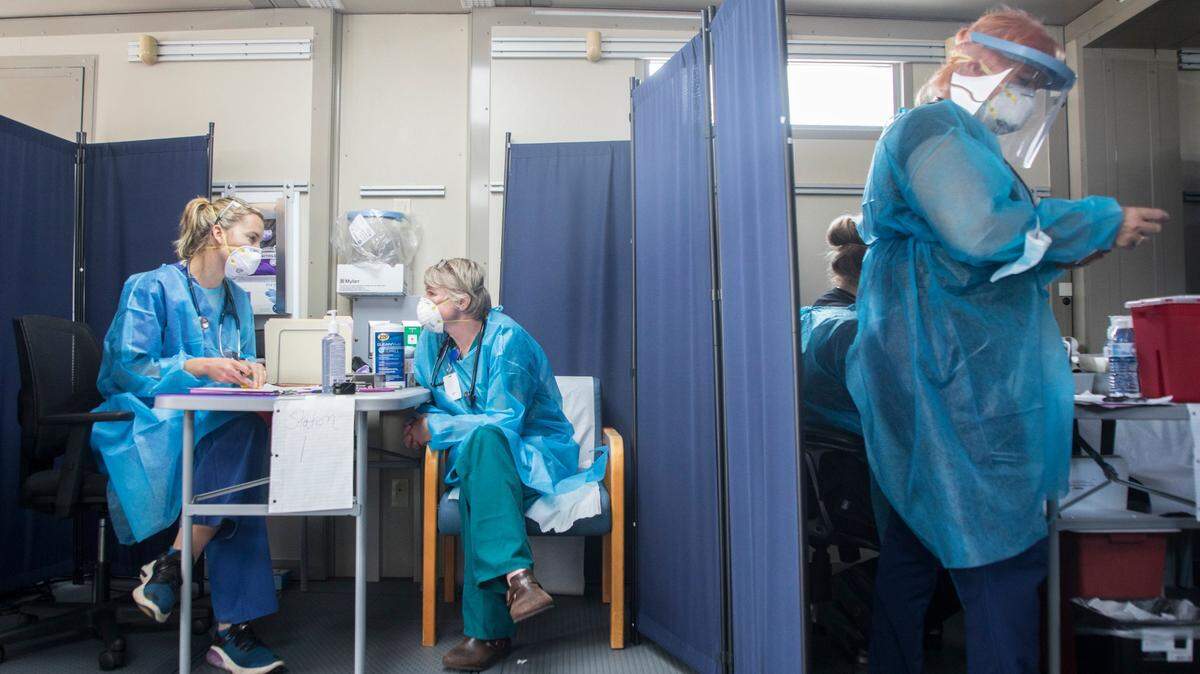
As a graduate student pursuing a career as a certified registered nurse anesthetist, I have had the unique opportunity to rotate through over ten different clinical sites across North Carolina, many of which are in rural areas. During these rotations, I’ve seen firsthand the critical need for accessible healthcare, particularly anesthesia services.
In reviewing patient charts during my anesthesia care planning, it’s become clear that many residents in these areas have limited access to primary care providers, likely due to a shortage of healthcare professionals. These experiences have driven my support of lawmakers’ Safe, Accessible, Value-Directed and Excellent healthcare proposal, known as the SAVE Act.
I believe the passage of this legislation is critical for expanding rural healthcare, improving patient outcomes, reducing healthcare costs and alleviating workforce shortages.
North Carolina faces a healthcare access crisis, with 92 out of 100 counties designated as areas that have a shortage of health professionals. Rural populations, often older and sicker, are disproportionately affected, causing delays in primary care and anesthesia services.
Despite decades of efforts such as loan repayment programs, retaining providers in these regions remains difficult, as many prefer urban areas with better opportunities for their families. The shortage of specialists like anesthesiologists further exacerbates the crisis, forcing patients to travel long distances or endure extended wait times for essential care.
Critics of the SAVE Act argue that expanding the practice scope of advanced practice registered nurses could compromise safety due to a lack of physician supervision. However, research shows otherwise.
Studies from the Institute of Medicine and the American Association of Nurse Anesthetists confirm that advanced and specialty registered nurses provide care on par with physicians, even when working independently. For instance, a Health Affairs study found no increase in complications when anesthesia nurses provided care without supervision, another emphasized advanced registered nurses’ significant role in patient safety, often matching physicians’ quality of care. Anesthesia nurses already serve as the sole anesthesia providers in many rural areas, with strong safety records. Restricting their practice exacerbates healthcare shortages without improving safety.
The SAVE Act is the policy solution North Carolina needs. It would allow advanced registered nurses, including nurse anesthetists, nurse practitioners and nurse midwives, to practice to the full extent of their education and training without the requirement of physician supervision. By removing unnecessary barriers, advanced nurses would be able to provide care more efficiently, increasing access to healthcare services across the state.
When the SAVE Act is passed, North Carolina will experience significant improvements in healthcare delivery. With more advanced nurses practicing independently, patients in rural and under-served areas will have greater access to primary and specialized care, reducing delays and improving outcomes. By allowing anesthesia nurses to practice independently, hospitals and surgical centers can reduce wait times for procedures and lower healthcare costs without sacrificing quality.
The increased availability of advanced nurses will relieve the burden on overextended physicians. The solution is feasible with the existing advanced-nurse workforce, as many advanced nurses are already providing services in under-served areas and can immediately expand their roles once the law changes.
Within a year of the SAVE Act’s implementation, measurable improvements in access to care and patient outcomes are expected, particularly in rural areas.
The healthcare challenges facing North Carolina are not insurmountable but require bold action. The SAVE Act represents a pragmatic, evidence-based approach to expanding access to care and addressing workforce shortages. As a student registered nurse anesthetist, I strongly urge our legislators to support this critical piece of legislation. The health of our state depends on it.