
UNC physician: Weight loss drugs save lives, but they’re too hard to obtain | Opinion
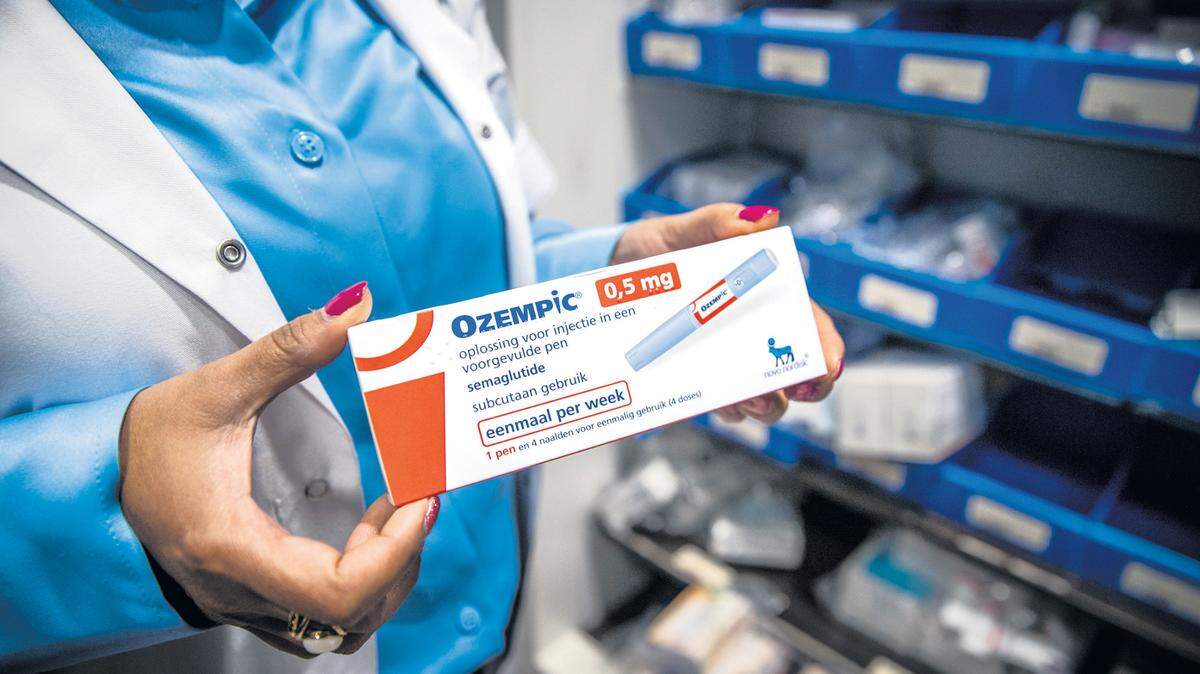
In the ongoing fight against obesity, a growing epidemic with grave medical consequences, a new class of weight loss medications offers unprecedented hope.
Drugs like semaglutide (Wegovy, Ozempic) and tirzepatide (Mounjaro) have shown remarkable efficacy in helping individuals achieve significant weight loss, and combined with behavioral counseling can lead to sustainable long-term decreases in weight.
These medications aren’t just about shedding pounds — they’re about saving lives and preventing the devastating complications of obesity.
Yet access remains out of reach for many due to two barriers: insurers’ reluctance to cover these drugs and exorbitant pricing by pharmaceutical companies. Both reveal systemic biases against addressing obesity, the leading preventable health problem in the United States.
Obesity is far more than a cosmetic concern. It’s a chronic disease. Those with a body mass index over 30, especially above 35, face heightened risks for conditions such as fatty liver disease, sleep apnea, cardiovascular disease, stroke, certain cancers and type 2 diabetes
Weight loss is the only effective therapy to prevent liver failure or liver cancer, while studies and costly CPAP machines associated with sleep apnea can be eliminated by lowering one’s weight. Improved blood pressure, cholesterol levels and overall cardiovascular health comes from weight loss as well as dramatically decreased risks of breast, endometrial and colorectal cancers.
Weight loss significantly improves glycemic control and reduces the need for most type 2 diabetes medications. Symptoms of arthritis and the chance of developing gallbladder disease are also improved with weight loss.
Studies confirm that drugs like semaglutide and tirzepatide enable 15-to-20% weight loss, leading to improvements in all of the above conditions. For instance, a person with obesity who loses even 10% of their body weight can significantly reduce their risk of heart disease, while a 15% reduction often reverses fatty liver disease.
Despite this, insurance companies impose barriers such as prior authorizations and proof of health complications, limiting access. Excluding coverage for weight loss medications ignores obesity’s role in driving many chronic health conditions that are exceedingly costly to treat.
Untreated obesity leads every day to new cases of fatty liver disease, diabetes and more, requiring interventions like liver transplants or insulin therapy. Coverage for weight loss medications will prevent many of these outcomes and lower overall healthcare expenses. For example, a liver transplant can cost upwards of $500,000, a cost that could be avoided by addressing obesity early.
Cost is the second major hurdle. In the U.S., these drugs cost $1,000-$1,500 per month out of pocket. Long-term treatment for most Americans at this rate is untenable. By contrast, in countries like Canada or the United Kingdom, semaglutide costs as little as $200 per month — 90% less. Pharmaceutical companies argue that high prices are necessary to recoup research and development costs. Yet, these costs are often recouped within a few years of a drug’s release, and companies continue to charge exorbitant prices.
Just as some states have passed laws requiring coverage for insulin, legislators should consider laws to mandate insurance companies cover weight loss medications for individuals with obesity and related health conditions. Such laws will address systemic cost barriers. Adopting price caps like those in Canada or the European Union could make these drugs affordable and accessible. Obesity is a medical condition. Policies must reflect that reality.
Patients, physicians and public health advocates must push for equitable access and pricing. Increased awareness about the life-changing potential of these drugs can build public and political pressure.
The cost of inaction — in human and economic terms — is staggering. Millions are denied effective treatment for obesity, stigmatized by a healthcare system that prioritizes profits over prevention. Addressing insurance exclusions and pharmaceutical pricing is critical to realizing the transformative potential of these drugs.
It’s time to treat obesity as the life-threatening disease it is and make effective treatments accessible to all.