This odd fish halted construction of a massive dam in 1973. Turns out, it isn’t real | Opinion
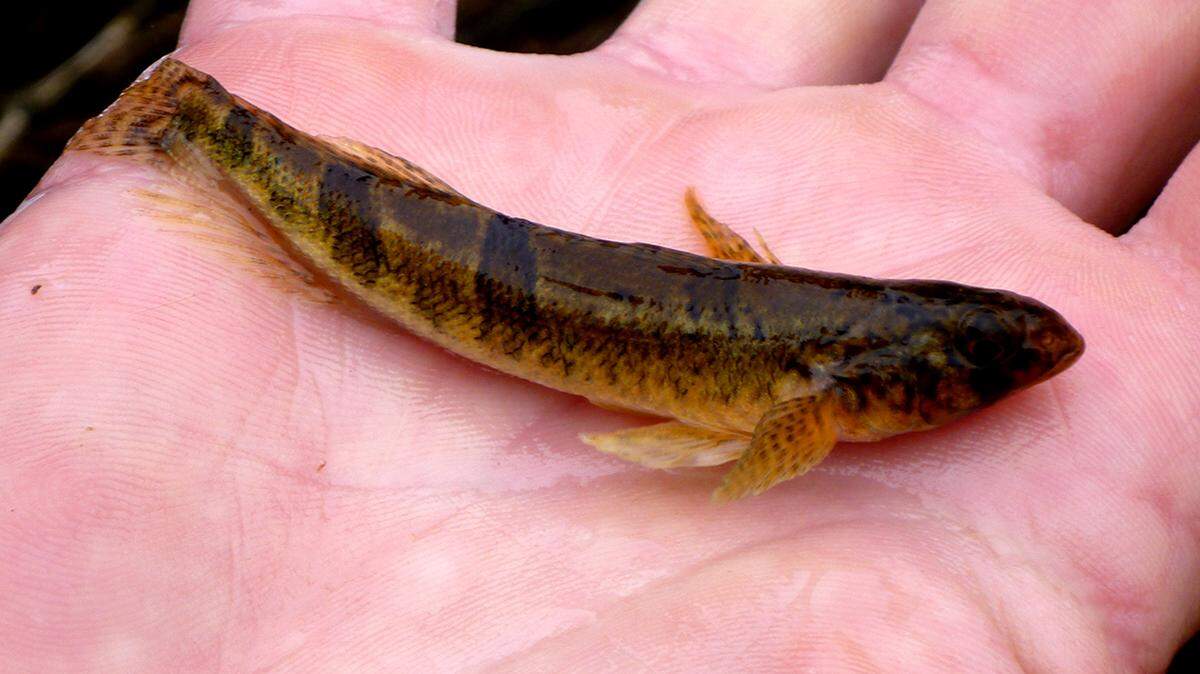
This one weird little fish — a beigeish critter found on sandy river bottoms in Tennessee and fond of munching on snails and water bugs — just upset 50 years of environmental efforts aimed at protecting endangered species. The famous snail darter — immortalized in its own 1978 Supreme Court case that brought construction of a billion-dollar dam to a halt — turns out not to exist, say fish experts in a new peer-reviewed scientific paper.
If you learn about environmental law, you know the story of the snail darter, that little fish lawyers, environmentalists, congressmen and bureaucrats spent years fighting over which defines how the Endangered Species Act works. The Supreme Court called it a “genetically” distinct species which environmental law enshrined as untouchable if the animal was in danger of dying out. But it turns out the “snail darter” was actually just a common perch, as rare as mosquitoes at the lakeside in summer.
The tale of how the relative of a fish-fry staple became an environmental cause celebre after eco-conscious scientists discovered it while swimming in the shadow of a federally-funded dam project, raises questions far from the Appalachian Mountains.
Protected species at the center of development disputes around the country will be under new scrutiny. In Kansas, the lesser prairie chicken springs to mind as does the Santa Ana sucker fish in California. The case brings new skepticism to the process that led to the designation of thousands of species around the country as endangered under federal law and lesser protections provided by similar state statutes. There are at least 600 endangered species in Florida alone.
The problem with the snail darter was raised long ago in the dissent to the Supreme Court ruling protecting it. Justice William Rehnquist, in an aside, noted that scientists had a really hard time telling this tiny darter from other tiny perch that were more common.
There’s a reason for that. When today’s scientists were able to take DNA from “snail darters” and compare it with genetic material from similar river-bottom-dwelling perch elsewhere, they found them nearly identical. They’re the same dam fish.
While this week’s snail darter news has made a big splash, getting front page coverage in The New York Times among other places, the underlying reality has been a poorly-kept secret among environmental science nerds for decades.
I learned it back as a cub D.C. reporter for The Detroit News in 1998. In Michigan, there was a development dispute that involved plain belly water snakes. Three relevant varieties got all the attention. Common yellow and beige-bellied slitherers and their rare, endangered copper-bottomed brothers were hard to tell apart.
Local wildlife experts told me that you could tell the difference by which side of a highway you caught them on. North side: endangered. South side: Not so much.
It never made much sense to me that one of them could squiggle its way over a yellow dotted line and find itself without federal legal protection, so when I started asking more questions, the scientists admitted nobody had ever tested the little buggers’ DNA.
Turns out this was quite common. In some places in the U.S. deer were endangered, while in others the creatures were so common state and local officials were pleading with hunters to kill more of them. Turns out plenty of the endangered deer were identical to the ones due for slaughter. Some were simply the offspring of a randy buck looking for a little variety.
Now we all know that the Endangered Species Act is wearing no clothes. The question is how fast this will roil environmental disputes long-settled across the country and how it will affect future decisions by the federal government to give protection to new endangered species.
The fallout is going to go far — indeed, grade school biology texts mentioning extinction might be in need of a rewrite. How many of the nearly 300 endangered species that died out over the last 50 years weren’t extinctions after all?
This story was originally published January 7, 2025 at 6:06 AM with the headline "This odd fish halted construction of a massive dam in 1973. Turns out, it isn’t real | Opinion."