
Let’s honor MLK in NC by protecting libraries as guardians of vulnerable voices | Opinion
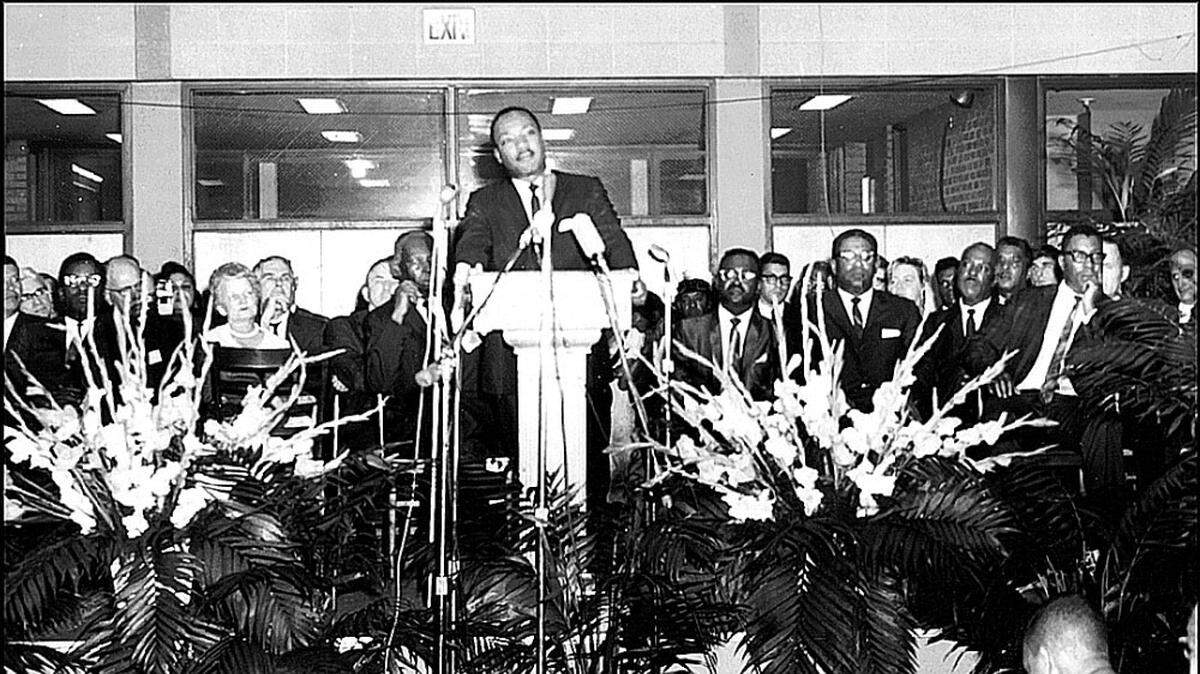
Dr. Martin Luther King Jr. is remembered as one of history’s greatest orators. Each year, soundbites from his speeches are shared widely. Yet, as a librarian, I reflect on Dr. King’s legacy as a voracious reader and prolific writer. His engagement with libraries, beginning as a young boy in Atlanta, shaped his intellectual growth. At just nine years old, he borrowed his first books on Gandhi from Annie L. McPheeters, Atlanta’s first Black librarian, graduating from the children’s section to adult books.
For Black librarians, libraries are not merely collections of books but spaces of discovery where marginalized stories find representation. However, these stories are often erased or distorted, reflecting deliberate efforts to rewrite history. Black librarians like McPheeters, Dorothy Porter, and North Carolina’s Allegra Westbrooks fought to preserve and celebrate Black history. Their work embodies the transformative power of storytelling — a radical act of empowerment.
Allegra Westbrooks’ legacy in Charlotte is particularly inspiring. She worked to make libraries accessible, aligning with Dr. King’s values. Today, as a librarian at the University of North Carolina at Charlotte, I honor this legacy by preserving marginalized voices and amplifying diverse narratives. These efforts counteract the erasure of histories and align with King’s vision of justice.
During the Civil Rights Movement, libraries in North Carolina were battlegrounds for desegregation. In my work on the documentary Are You A Librarian? The Untold Story of Black Librarians, I interviewed a librarian who experienced segregated libraries in Charlotte. Dr. King’s ties to North Carolina civil rights leaders, such as Reginald Hawkins, further underscore the region’s importance in the fight for justice. Tragically, King was scheduled to visit Hawkins in North Carolina the same day he was killed in Memphis.
Today, book bans threaten to silence marginalized voices once again, including those of Black authors and LGBTQ+ individuals. These bans disproportionately target narratives challenging sanitized histories in direct contradiction to King’s ideals of justice and equality. Libraries must remain sanctuaries of resistance. As a librarian, my work includes preserving narratives often erased from mainstream archives. Whether through collecting materials on Black history or curating exhibitions reflecting diverse perspectives, my goal is to ensure all voices are heard.
The role of librarians is multifaceted: we are teachers, counselors and keepers of stories. As the producer of Are You a Librarian? The Untold Story of Black Librarians, my mission is to highlight the contributions of Black librarians who have fought tirelessly to amplify marginalized voices. These efforts challenge systems of oppression that seek to control whose stories are told and valued. From the hidden libraries of enslaved people to the sit-ins of the Civil Rights era, Black communities have continually asserted their right to tell their own stories.
Dr. King once said, “We are not makers of history. We are made by history.” Storytelling is inherently tied to justice. Denying access to knowledge or censoring stories denies freedom. Libraries must remain sanctuaries where diverse voices are heard, human experiences are explored and individuals can tell their stories in their own words.