
UNC chancellor betrays his school’s values in comments to faculty about ICE | Opinion
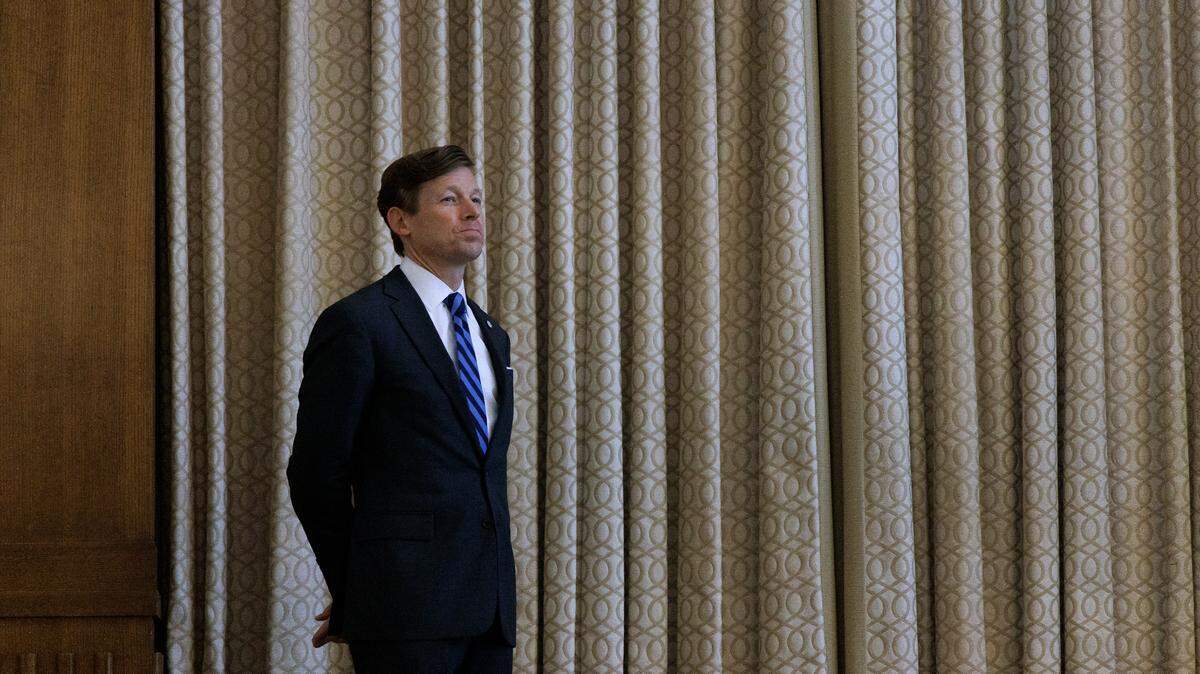
UNC-Chapel Hill Chancellor Lee Roberts should have said the state’s flagship university will protect its students. Period. That it would not simply “comply” when U.S. Immigration and Customs Enforcement officials come knocking.
He should have said that UNC was serious when it said it valued all members of its community, that it would do everything in its power to reassure vulnerable students, and faculty, who feel threatened by a host of executive orders President Donald Trump signed during his first week in office.
Trump got rid of a decade-long policy that kept ICE and Border Patrol officials out of schools, churches, hospitals and the like. It had been a sensible policy. We don’t want law enforcement officials overrunning houses of worships, don’t want students scared away from getting educated or people who need urgent care to avoid hospitals. The policy was commonsense, as well as compassionate. That Trump uprooted it in a hasty effort to fulfill his ugly campaign promise of mass deportations doesn’t change that truth.
That’s what Roberts should have reminded his faculty during a recent meeting. Instead, he said the school will “comply with any requests from law enforcement” about students targeted by ICE.
He also claimed to not want to “try to issue an interpretation on the fly” about competing laws. So I’ll do it for him.
The university should not comply with ICE — or any other officials — unless they have a warrant. It should not help ICE locate and speak with potentially undocumented students. And it should say so loudly and clearly, in no uncertain terms. Anything short of that is a dereliction of his duty and sends a chilling message not just to Chapel Hill faculty and staff, but faculty and staff of other universities throughout North Carolina. If Chapel Hill is giving in, what chance do the likes of East Carolina, and Johnson C. Smith have?
Roberts should have said Chapel Hill will continue following the law that’s been (rightly) beaten into the head of every professor in private and public institutions. That we do not give out private information about a student unless we have clear permission from that student or are forced by a court of law.
That mandate is unambiguous. I don’t have the right to tell ICE if a student took a swig of cough syrup in class after sniffling and sneezes, made an A or tried to take their own life. I’m not allowed to tell their parents even if those parents are footing the bill for tuition and other college costs. Given that, it makes no sense to believe I can tell ICE — or anyone — about a student’s immigration status.
I know this not only as a professor, but as a parent of two college students. My wife and I pay the bills. But their professors and college officials have not told us a single thing about our kids’ performances at their respective institution of higher learning without our kids signing off on it first. It’s why we haven’t bothered their professors. Because we know the strength of privacy laws. Because we know how important they are.
A college or university voluntarily violating a student’s privacy will be a grave mistake. It will engender distrust throughout campus, which will supercharge fear and make it less likely that students and professors feel comfortable enough to use their academic freedom and free expression rights, core principles that make academic excellence possible.
It would stunt the growth of everyone involved.
It would undermine the purpose of the institution itself.
It’s no small thing.
Every university and college should pledge to not cooperate with ICE unless forced to by law and tell faculty, staff and students it will protect them, legally and otherwise. It’s during times like these, institutions will be compelled to reveal their true nature.
They’ve long claimed to act as kind of a second family to those invited in. It’s time they prove those weren’t just pretty, but empty words.
Correction: A previous version of this column had a headline that incorrectly referred to the “UNC president.” We regret the error.
This story was originally published January 28, 2025 at 9:20 AM.