
In western NC, homes lost to Helene are cruelly getting taxed | Opinion
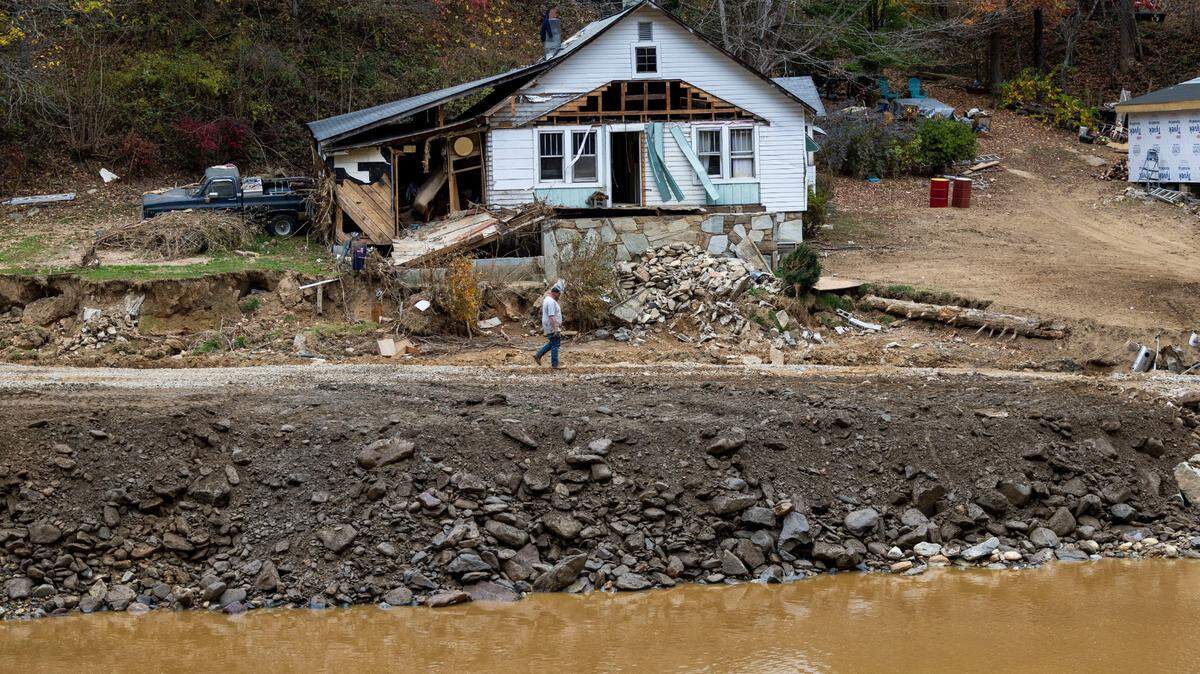
In any other year, a county government Facebook post like this wouldn’t get a second look.
“Reminder: Today is the Final Day to Pay Property Taxes!” Buncombe County posted a few weeks ago.
But with parts of western North Carolina still picking up the pieces from Hurricane Helene, the reaction was swift — and furious.
Certainly, the message was tone-deaf, but it wasn’t wrong. Under North Carolina law, storm victims still have to pay property taxes, no matter what — even on homes that no longer exist.
“As the law currently stands, it’s not within the county’s control,” a spokesman for the N.C. Association of County Commissioners told me.
That needs to change. And now seems like the right time to do it.
On paper, the current system makes sense. Property taxes are assessed based on a home’s value as of January 1 of the previous year — long before the hurricane wiped entire neighborhoods off the map. The bills that are due now were calculated before the storm even formed.
County budgets were set with the assumption that money would come in. And for most homeowners, property taxes were already collected through their mortgage escrow accounts months ago.
But fairness isn’t just about logic. It’s about what feels right.
For a lot of these families, the land they called home has been in the family for generations. There’s no mortgage company handling their tax payments automatically. They’re the ones getting the bill.
Does it really seem right to ask someone living in a FEMA trailer to cut a check for a home that no longer exists?
Other states have fixed this
Florida, Texas, and Louisiana have already figured this out. Their laws provide tax relief for disaster victims in cases where homes are destroyed or uninhabitable.
Florida and Louisiana allow counties to grant property tax refunds for homes wiped out by storms, prorated to when the disaster struck.
Texas takes it even further — offering exemptions based on the extent of the damage. A destroyed home gets a 100% exemption.
North Carolina, despite facing hurricanes nearly as often, offers nothing. Instead, the only option is for homeowners to have their property reassessed for the following year’s taxes.
That’s not good enough.
The General Assembly has already allocated nearly $1 billion for Helene relief, with another $500 million on the way. That total includes $100 million to help local governments whose finances were disrupted by the storm.
That bucket of money seems like a natural first place to look to help counties offer property tax relief.
But when I spoke with sources at the State Treasurer’s office, they pointed out something important:
The $100 million for local governments isn’t a grant — it’s a loan. The state will get that money back once FEMA reimburses counties and towns.
And when that happens, lawmakers should repurpose those funds to give disaster victims real relief. But they don’t have to wait to change the law. The General Assembly could act now to let counties waive or refund property taxes in the worst cases.
Hard to implement
Let’s be honest: Making this retroactive for Helene victims would be a nightmare to administer.
Most homeowners with mortgages already had their property taxes paid through escrow. Do you reimburse them? Or offer credits for next year?
Should relief be limited to primary residences? What about second homes or rental properties?
How do you prevent fraud while making sure real storm victims don’t get buried in paperwork?
I don’t have all the answers. Maybe it’s a hardship application process for homeowners who can prove their house was destroyed. Maybe the state creates a reimbursement fund for lenders who already covered tax payments on these homes.
But the core principle is simple: No one should have to pay property taxes on a home that no longer exists.
It’s common sense. It’s a conservative reform that reduces government burdens without creating new spending. And the General Assembly has an opportunity to fix it — right now.