Nobody’s fooled by the new Fort Bragg name. They weren’t when UNC did the same. | Opinion
Fort Liberty is Fort Bragg again, as ordered by U.S. Secretary of Defense Pete Hegseth in a memo Monday. But instead of being named for Gen. Braxton Bragg, a Confederate general and slaveowner, this time it’s named for a different Bragg: Pfc. Roland L. Bragg, a soldier who was stationed at the base and served during World War II.
The base’s name was changed to Fort Liberty in 2023 upon the recommendation of a commission that Congress tasked with renaming military installations dedicated to Confederate leaders. Renaming it again for Roland, not Braxton, is effectively a technicality. Even Hegseth’s proclamation that “Bragg is back” suggests that the change is basically a wink and a dog whistle to those who still want the original Bragg to be revered.
It’s not fooling anyone, and it’s not the first time it’s happened in North Carolina.
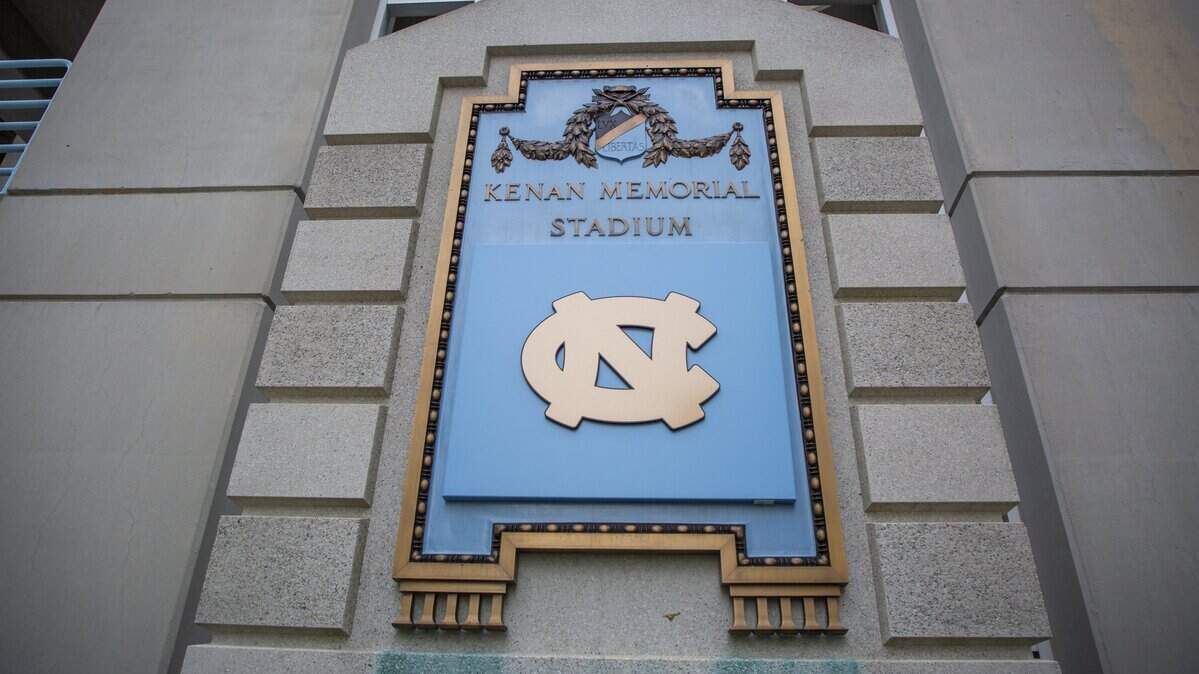
At UNC-Chapel Hill in 2018, the university faced scrutiny because its football stadium was dedicated to William Rand Kenan Sr. Kenan Sr. played a prominent role in the Wilmington Massacre of 1898, leading a machine gun squad that reportedly killed 25 Black people within seconds.
The school’s solution? The stadium would remain Kenan Memorial Stadium, except it would instead honor William Rand Kenan Jr., the son of Kenan Sr. The university covered the plaque honoring Kenan Sr. with the university’s logo before ultimately removing it.
That move was still pretty eyeroll-inducing, but it was slightly better received, perhaps because it was born out of a well-meaning attempt to make progress rather than out of a desire to reverse it. Not everyone was happy with the change, though, because the majority of the Kenan family’s initial wealth came from plantation-based slavery, and they would have preferred to see the university acknowledge that fact.
President Donald Trump campaigned on the promise that he would restore the name Fort Bragg, and Hegseth has been vocal about wanting to do so, too. But returning to its original namesake would have violated a congressional mandate that passed with enough bipartisan support to override Trump’s veto back in 2021. Choosing to honor a different Bragg is a way to get around that without encountering legal obstacles.
The name Fort Liberty was admittedly a little bit lame. It would have been far more meaningful to have renamed it in honor of a prominent military hero who actually deserved it, which was the case for the eight other Army bases that no longer bear the names of Confederate soldiers. But Hegseth and Trump’s opposition had nothing to do with the creativity of the name, and more to do with the fact that they didn’t see anything wrong with honoring a Confederate general in the first place.
It cost the federal government several million dollars to change the name to Fort Liberty, and North Carolina paid hundreds of thousands more to update road signage and the like. It’s not clear exactly how much it will cost to reverse the change, but it almost certainly won’t come cheap. That means an administration that has tasked itself with slashing “wasteful government spending” will be handing over a pretty hefty sum just to prove a point.
A name is just a symbol, of course, but it’s a significant one. Scrubbing vestiges of white supremacy from public institutions is a worthwhile effort, especially for the Army, which has gone from turning away everyone who wasn’t a white man to being one of the most diverse organizations in the country. Restoring those names, as Trump has vowed to do, is symbolic, too, because it’s yet another thing he’s doing just to show he can.
This story was originally published February 12, 2025 at 5:00 AM.