In fast-growing NC, ‘neglected’ counties are shrinking and struggling
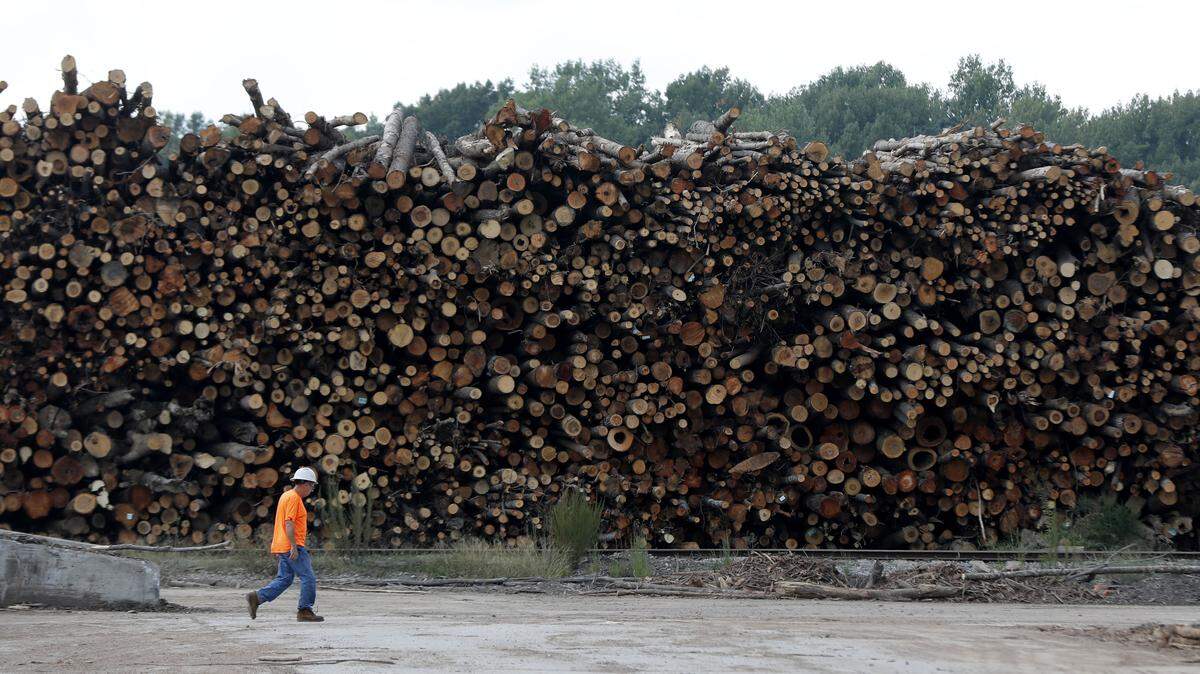
North Carolina is one of the fastest-growing states in the country. But not all parts of the state are growing equally — or at all. As urban areas like the Triangle and Charlotte see rapid growth, some rural counties are experiencing population loss. That’s especially the case in northeastern North Carolina, which is home to many of the counties that have lost population in recent years.
N.C. Rep. Rodney Pierce, who was recently elected to the state legislature, has coined a name for the region: Neglected Northeastern North Carolina.
Population loss only tells part of the story. Those same counties — all with a majority Black population — are some of the state’s poorest. They have some of the worst health outcomes, too.
“By just about any measure, the part of the state that is struggling most with long-term trends, demographic trends, population loss, poverty rates, health outcomes, is eastern North Carolina,” Patrick Woodie, president and CEO of the N.C. Rural Center, told me.
It’s a predicament that’s been decades in the making. Northeastern North Carolina’s economy has historically been reliant on manufacturing and agriculture, especially textiles and tobacco, but both industries have undergone significant change that’s shuttered factories and shed jobs, stripping the region of the economic opportunities it once had. While other parts of the state have begun to bounce back, northeastern North Carolina has not.
Halifax and Northampton counties, two of the counties that Pierce represents, are both experiencing continual population loss, a decline in employment, negative GDP growth and higher death rates than other parts of the state. They’re also among a small handful of counties in North Carolina designated as having persistent poverty — which means 20% or more of the population has lived under the federal poverty line for at least 30 years.
“Our children grow up here, they go to college, and they never come back home unless it’s the holidays or it’s a funeral,” Pierce said. “It’s disappointing, but you can’t blame them, because we don’t have anything here to offer that would entice them to stay. And I want to change that.”
Pierce says that “neglected” refers to what he sees as a lack of investment in education, economic development and infrastructure. He believes politicians of both parties and at all levels of government share a piece of the blame: “Somewhere along the line, some people got comfortable because they were good,” he said. Frustration over that neglect and the lack of investment in his district is part of what led Pierce to run for the House seat he now occupies.
One of the areas in which Pierce is pushing for investment is education. Halifax was one of the original counties at the heart of the Leandro school funding case, and it continues to feel the effects. He’s also already introduced legislation that would create a state program to provide free or low-cost prostate cancer screenings, because his district has some of the highest rates of prostate cancer in the state. He also knows his area needs major infrastructure improvements, especially in terms of healthy water and wastewater services.
But it will take more than just public investment to help the region recover. While North Carolina is blessed with a lot of philanthropic resources, eastern North Carolina has a significant philanthropy gap, Woodie said. The region often finds itself competing against the rest of the state for public and private resources, and that part of the state is the least equipped to compete.
“All of those trends, it didn’t just happen overnight. We’re long overdue for a statewide conversation about eastern North Carolina, the northeast in particular,” Woodie said. “It needs focused attention. It really needs to be a regional approach, and it’s got to be coordinated, and it’s got to be a long term commitment. ”