
NC’s big incentive deals are failing at a staggering rate. We’re getting played. | Opinion
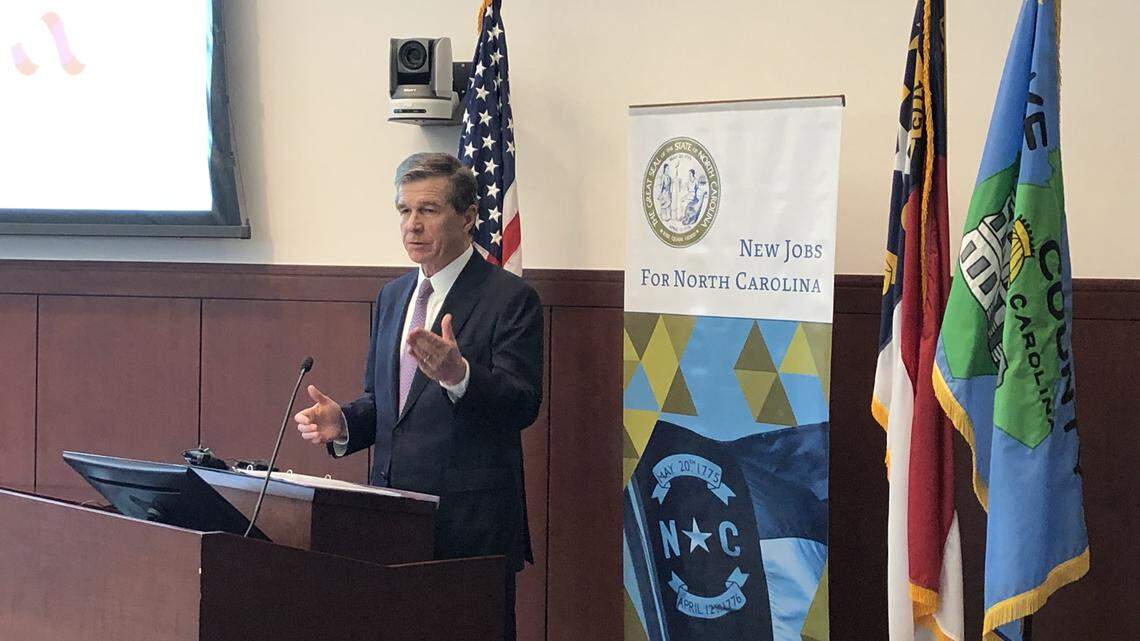
Economic development grants are always a political favorite in North Carolina. Governors absolutely love to hand them out.
Of course, it’s easy to celebrate when a company promises a flood of new jobs. But once the cameras are packed away, more often than not, those jobs never actually materialize.
We’ve known about this problem for years. The bad news? It’s getting worse.
So far in 2025, six state incentives deals have already collapsed — putting North Carolina on pace to blow past last year’s total of 20 failed projects, according to my analysis of Department of Commerce records. That was already an increase from 19 failed deals in 2023 and 15 the year before.
At this rate, our state’s deals are falling apart almost as fast as we’re making them. Over the last five years, North Carolina has averaged 28 new Job Development Investment Grant deals per year, and 15 terminations. That means for every two new deals we make, one fails. The number of successful completions is just seven per year.
Almost every time there’s a job announcement like Novo Nordisk expanding in Johnston County, there’s a similar deal that’s canceled — like Microsoft bailing on a deal to grow in Charlotte and Morrisville.
Even more troubling: This year’s failures aren’t because of “economic headwinds” or unforeseen struggles. Two of the six companies are walking away without even filing the required paperwork. They’re not even pretending to take these deals seriously.
So why should we?
The reality behind North Carolina’s incentives
The idea behind economic incentives is simple: Offer companies millions in grants or tax breaks in exchange for jobs and investment. The state puts money on the table, and in theory, that money fuels growth that wouldn’t have happened otherwise.
At least that’s the pitch. Economic development officials insist these deals are necessary to stay competitive.
And the numbers are staggering. Over the last five years, North Carolina has promised companies $2.7 billion in incentives and actually paid out $233 million.
What have we gotten in return? Since the state’s major incentives programs began, companies have committed to creating 211,881 jobs — but so far, fewer than half (99,935) have materialized, my analysis found.
While some projects are ongoing, at the current pace of cancellations, it’s hard to be optimistic.
Of the 426 JDIG grants awarded since 2003, only 50 have been successfully completed. Meanwhile, 203 have been terminated or withdrawn.
In Charlotte, Electrolux, Centene, and Allstate promised hundreds of jobs. In Wake County, Microsoft, Xerox and Citrix did the same. In each of these cases, the companies cancelled the incentives deal before hitting a single target.
That doesn’t even take into account the fact that many of these deals aren’t even about creating new jobs at all. A large chunk of incentives go toward “retaining” jobs for companies that were already here.
And even when new jobs are created, they often come from companies relocating employees from other states, not hiring North Carolinians who actually need work.
The money itself isn’t always the issue — companies don’t get paid unless they meet some requirements. The grant amounts are tied to a percentage of payroll taxes generated by the new jobs.
But even if companies don’t get the full payout, they still get something valuable: goodwill. They enjoy headlines, political support, and public credibility—only to bail when the numbers don’t work out. There are no real consequences.
Rethink what we require
The incentives system isn’t failing. On the contrary, it’s working exactly as designed. The problem is that we don’t ask enough of companies in exchange for these deals.
If North Carolina is willing to make long-term commitments to them, they should be required to make long-term commitments to us.
Fail to deliver? Pay the money back. All of it. No exceptions.
We know this approach can work. Look at what happened when Pactiv Evergreen abruptly shut down its Canton paper mill last year — despite taking a $12 million incentives deal.
The state sued. Pactiv was forced to repay $6.25 million to North Carolina, Haywood County, and the town of Canton. It wasn’t a full refund, but it was meaningful.
Yes, this case was unique. Unlike other companies that quietly exit deals, Pactiv’s abrupt shutdown left the state little choice but to act. What’s more, the incentives program Pactiv used differs from most business grants. But it proves a point: North Carolina can fight back.
But what if we treated all broken deals this way?
Imagine if every company that bailed on its commitments faced the same consequences. Would businesses be so quick to break their promises if they knew the state would actually hold them accountable?
Right now, companies know they can cash in on goodwill and walk away unscathed.
That has to change. If North Carolina is going to keep making these deals, companies should know: This time, we’re keeping score.