
NC lawmakers want to invest state funds into cryptocurrency. We have questions | Opinion
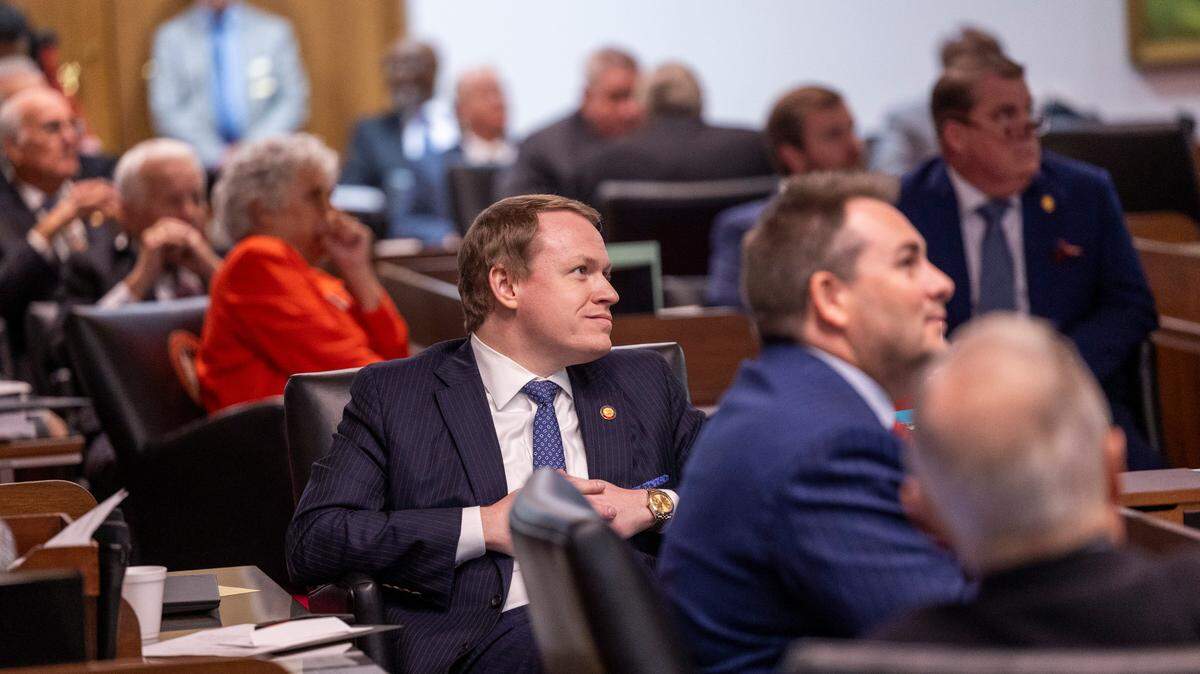
North Carolina lawmakers are moving forward with legislation to invest billions of dollars in state funds into cryptocurrency. Republican leaders say it could help diversify the state’s investments and yield higher returns for state investment funds.
We have questions.
House Bill 92 would authorize the state treasurer to invest up to 10% of the state’s investment portfolio into cryptocurrency, primarily Bitcoin. The funds that could be invested come from pools of money like the State Pension Plan, which funds retirement benefits for teachers and other state employees, and the Highway Trust Fund.
The State Employees Association of North Carolina opposes the bill, and their skepticism is understandable. Bitcoin, and cryptocurrency in general, is still a relatively new and highly volatile domain. The industry itself remains quite unregulated. State employees worry that investing their promised benefits — benefits they worked hard to earn — into something so risky would be a gamble. We share those concerns.
The bigger problem, perhaps, may be the idea of putting people’s benefits into something that many simply don’t understand. They may wonder why the state wants to invest in cryptocurrency instead of the regular stock market. Lawmakers shouldn’t plow forward with legislation without a meaningful attempt to assuage the concerns of people directly impacted by it, and educate them on what it means.
Besides, that lack of understanding is something at least initially shared by lawmakers on both sides of the aisle. When the bill was first heard in committee, both Democrats and Republicans expressed skepticism due to a lack of knowledge about how crypto works. Senate leader Phil Berger told reporters that he doesn’t “know enough about it to say whether it’s a good idea or a bad idea.”
We’re also wary of the intentions Republican lawmakers might have in introducing this bill. House Speaker Destin Hall, one of the bill’s primary sponsors, said in a social media post that the bill “[aligns] with President Trump’s vision for a national Bitcoin stockpile and [ensures] North Carolina leads at the state level.” That framing raises questions about whether this legislation is rooted in a genuine desire to improve the state’s investment portfolio, or in an attempt to curry favor with Donald Trump. Trump has been particularly supportive of the crypto industry and has signed executive orders aimed at creating a national crypto stockpile. But Trump’s own motivations for doing so have been questioned. He has his own crypto coin, $Trump, and his close adviser, Elon Musk, also has a vested personal interest in the success of the crypto industry.
Lawmakers say that the legislation would position North Carolina as a “ leader in technological adoption & innovation.” That sounds appealing, but it also means this is largely uncharted territory. The bill’s supporters also say that North Carolina can rest assured knowing other states have walked this path before. But just two states — Michigan and Illinois — invest their retirement portfolio in cryptocurrency. North Carolina is one of many states to introduce related legislation after Trump endorsed a similar idea at the federal level.
We’re all for bringing positive yields to state investments. Dale Folwell, North Carolina’s previous treasurer, was too careful with state dollars, keeping too much of the pension plan in cash positions, which meant the state lost out on billions in potential investment gains. But while that approach was too prudent, this one could be too risky.
What we want — and what we think the public and public employees deserve — is clarity. Putting public money, including pension funds, into something that seems unfamiliar and risky is worthy of time and consideration. That means more information about the investments, benefits and risks involved, and soliciting feedback from those directly affected. That should come first, not this bill’s passage.
BEHIND THE STORY
MOREWhat is the Editorial Board?
The Charlotte Observer and Raleigh News & Observer editorial boards combined in 2019 to provide fuller and more diverse North Carolina opinion content to our readers. The editorial board operates independently from the newsrooms in Charlotte and Raleigh and does not influence the work of the reporting and editing staffs. The combined board is led by N.C. Opinion Editor Peter St. Onge, who is joined in Raleigh by deputy Opinion editor Ned Barnett and in Charlotte by deputy Opinion editor Paige Masten. Board members also include Observer editor Rana Cash and News & Observer editor Nicole Stockdale. For questions about the board or our editorials, email pstonge@charlotteobserver.com.