
Another NC power grab? This time, Republicans are getting it right | Opinion
Government has a way of misplacing power. It gives too much to one branch, then scrambles to take it back — often swinging too far in the other direction.
This dynamic is mostly by design. The Founding Fathers, in their wisdom, built a system with three branches meant to check the other. But if history has proven anything, it’s that the balance is never quite right.
At the federal level, Congress offloads its authority to agencies, then complains when bureaucrats take over. Presidents stretch executive power, then panic when their successor does the same.
And in North Carolina, the General Assembly has spent years pulling power from the governor. Sometimes for good reason, but usually just because it can.
So when lawmakers push a bill to rein in executive authority, skepticism is fair. But this time, North Carolina legislators are getting it right.
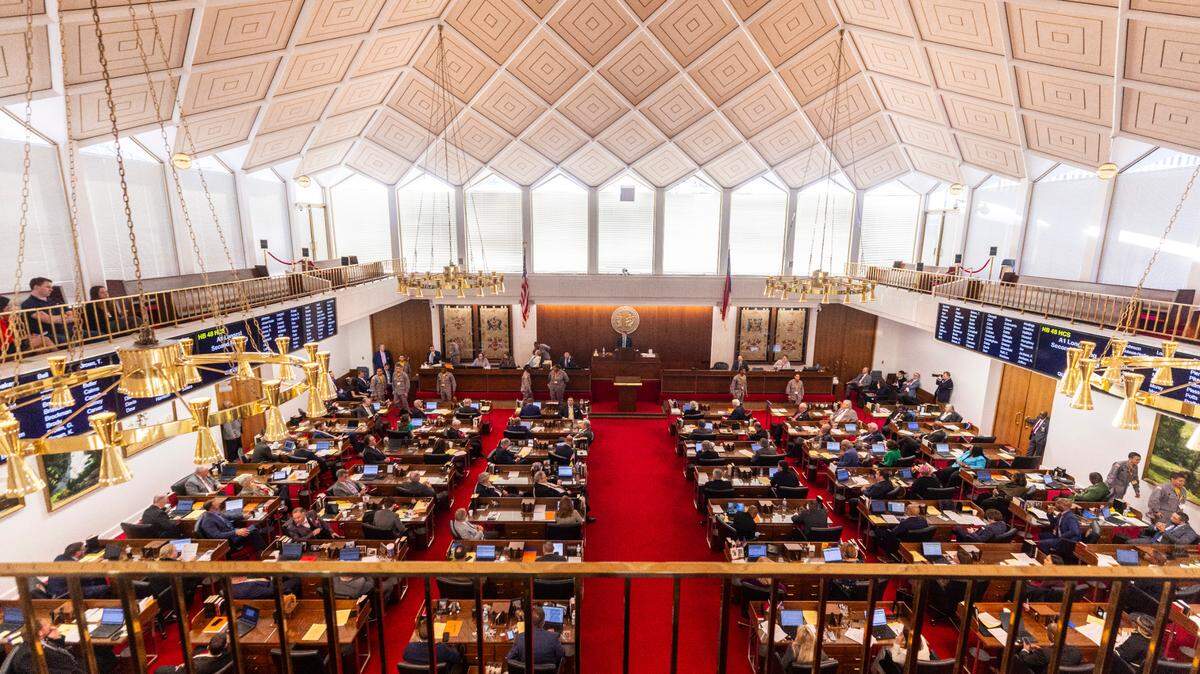
The newly introduced REINS Act — short for “Regulations from the Executive in Need of Scrutiny” — would require any new state regulation with an economic impact of $1 million or more to be approved by the General Assembly before it takes effect.
The idea is simple: If a rule carries million-dollar consequences, it should get a vote from elected lawmakers, not just be rubber-stamped by bureaucrats.
Democrats will instinctively distrust this bill, and it’s not hard to see why. The General Assembly has a habit of pushing the boundaries of its power. But this isn’t one of those cases. This is a necessary course correction, and one that Washington should be paying attention to.
Fixing a broken system
Right now, North Carolina’s rule-making process starts with the executive branch and then runs through the Rules Review Commission, a body appointed by the General Assembly. Its job? To determine whether an agency has statutory authority to enact a rule, not whether the rule is reasonable, necessary, or even a good idea.
The commission doesn’t weigh economic impact or whether a regulation is worth the cost.
The REINS Act wouldn’t eliminate that rule-making process. It just ensures that when bureaucrats propose regulations with major financial impact, they don’t get to make the final call. That power belongs to elected lawmakers, the people who are actually accountable to voters.
“If we’re going to be doing anything that directly affects the people of North Carolina in a significant way, the citizens should have a way to have their voices heard,” Rep. Allen Chesser, the bill’s sponsor, told me.
There are roughly 110,000 administrative rules currently on the books. Chesser estimates that 50-60 new rules per year would meet the $1 million threshold and require legislative approval.
This isn’t some fringe bill with no path forward. It has real muscle behind it, with co-sponsorship from House Rules Chairman John Bell, one of the most powerful figures in the legislature.
A constitutional course correction
Critics will say this is just another legislative power grab. Fair enough. History gives them plenty of reasons to do so.
But unlike some past overreaches, this move actually aligns with North Carolina’s constitutional design. The state constitution is clear on this point: “The General Assembly shall prescribe the functions, powers, and duties of the administrative departments and agencies of the State and may alter them from time to time.”
In other words, the legislature has the power to determine what executive agencies can and cannot do. This isn’t a new interpretation of the law — it’s exactly how the system was designed to work.
“We are not micromanaging the executive in any way,” Chesser said. “We are just exercising the authority clearly given to us.”
And this isn’t a partisan power play either. All 10 members of the Council of State — from the governor to the insurance commissioner — have a role in regulations. Five are Democrats, five are Republicans. All of them would get the same legislative oversight.
Democrats should want this, too
For decades, Democrats embraced executive power — when they were the ones wielding it. The modern regulatory state is largely Woodrow Wilson’s creation.
But with Donald Trump back in the White House, some on the left are suddenly realizing that an unchecked executive isn’t always a good thing. The REINS Act gives them a chance to be consistent. If they fear Trump’s ability to impose sweeping changes in Washington, why not set a precedent for legislative oversight in North Carolina?
Of course, North Carolina isn’t alone in seeing the problem. Florida, Wisconsin, Kansas, and Indiana have already passed similar laws. Congress has considered doing the same.
The idea is catching on, Chesser told me, because people are waking up to how much power unelected regulators really have.
This isn’t a power grab. It’s a power correction. Washington should take notes.
This story was originally published March 26, 2025 at 7:02 AM.