
Tariffs won’t bring back old manufacturing jobs. North Carolina can still benefit | Opinion
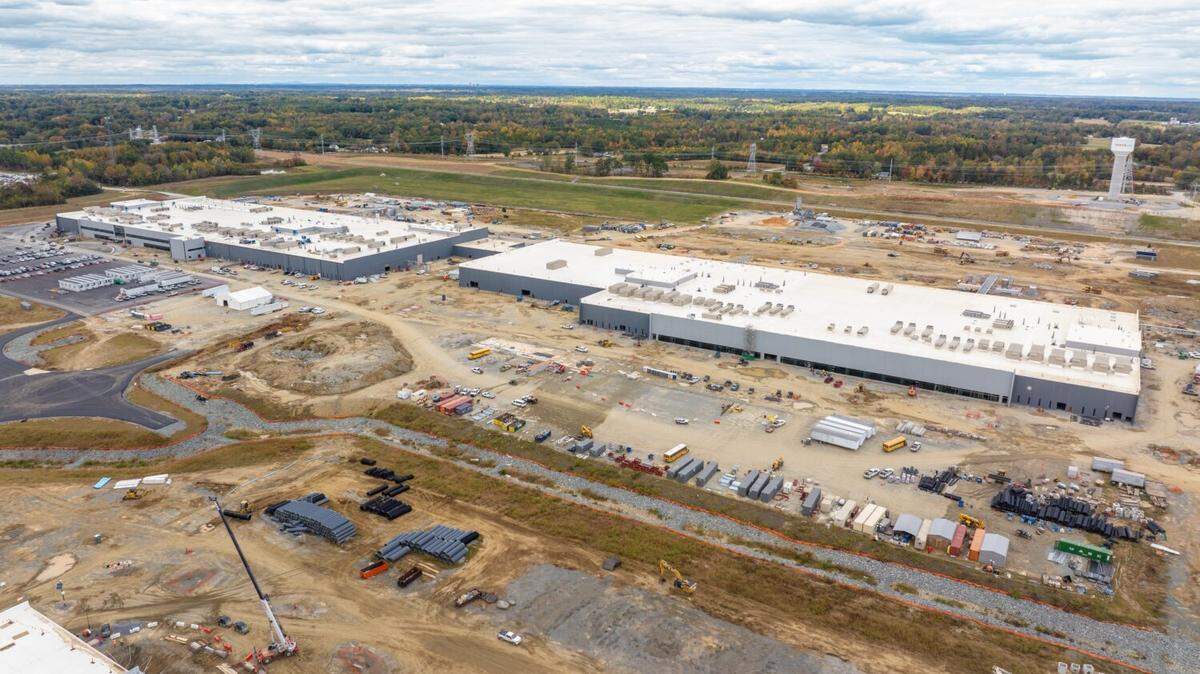
Let’s get this out of the way: Tariffs won’t bring back North Carolina’s old economy.
The factory jobs that once supported entire towns aren’t returning. Manufacturing has changed, and so has the state.
Still, President Donald Trump’s tariff policies present both an opportunity and a challenge for North Carolina. While nobody’s sure exactly how it all shakes out, tariffs on Chinese goods are beginning to look like a permanent feature of American trade.
That has manufacturers here watching closely. They’re not racing to build new plants, but they are asking new questions: What parts of our supply chain could we bring back to the U.S.? What happens if global sourcing gets even more difficult?
That could mean more manufacturing jobs in North Carolina — but there’s plenty of risk, too. If the state wants to benefit from any return to domestic production, we have to start preparing now.
A strong manufacturing legacy
The story is a familiar one by now. For much of the 20th century, North Carolina was a national leader in furniture, textiles, and tobacco production. These weren’t just industries, they were lifelines for entire regions.
But the global economy changed, and so did manufacturing. From the mid-1990s to roughly 2010, we lost about half of our manufacturing base as companies increasingly shifted production overseas. One in every four North Carolina jobs were in manufacturing as recently as 1994, while today it’s closer to one in 12 — and falling.
Perhaps the shift was inevitable, but free-trade policies like NAFTA certainly sped up the pace.
Since then, North Carolina has held its own. We’re still a strong manufacturing state compared to the rest of the country, but the industries and the jobs look different. Instead of furniture and textiles, today’s manufacturers are making pharmaceuticals, electric vehicle batteries and airplane parts.
And the factories now are highly automated, requiring fewer people to operate. Getting a job there isn’t as simple as knocking on the door. Employers are increasingly looking for an associates degree, tech-savvy and some training.
“The days when we had factories full of people, I just don’t know if that’s ever coming back,” said Phil Mintz, director of N.C. State University’s Industry Expansion Solutions. “There’s no business model that can support that, even with tariffs.”
The ripple effects are already here
That’s not to say tariffs won’t matter. They’re already changing the industry. Mintz told me companies are rethinking their supply chains and considering what parts of it they can bring back to the U.S. Economic developers tell me there’s more inquiries and interest in opening up new factories in North Carolina to support that.
That’s potentially a very good thing. But the net effect is uncertain. Many key components have never been made in North Carolina. Tariffs won’t bring those factories here. They’ll just make things more expensive.
“Over time, through technology, some of it will work out,” Mintz said. “But there’s a few years of pain that we’ll have to endure to try to get there.”
Right now, Trump’s more severe tariffs on most of the world are on hold. But business runs on confidence, and it’s been shaken deeply over the past few weeks.
“If you’re spending $100 million or a billion dollars, you don’t want to do that on shifting sands,” Christopher Chung, CEO of the Economic Development Partnership of North Carolina, told me. “Until we get some sense of that, I can easily see them holding off on a decision of that magnitude until there’s more clarity.”
Even if manufacturing grows, we may not be ready
Market research isn’t investment, and reshoring won’t mean much unless North Carolina has the people, skills and infrastructure ready to respond.
The old manufacturing base isn’t coming back. But here’s the thing: That’s not really what people are nostalgic for.
What they miss is being able to support a family on a single blue-collar income. They miss the days when stable jobs existed in rural towns across the state.
North Carolina can still be part of rebuilding that promise, but only if we’re prepared.
We already do a good job attracting big-name manufacturers with tax breaks and workforce programs. But there’s a lot more room to support small and mid-sized manufacturers across the state. Even with tariffs, companies will need to invest heavily in automation and new technology to compete. That’s expensive and risky, and state help will be essential through tax credits or other incentives to help these firms modernize.
But the harder challenge may be cultural.
Modern factories don’t need muscle. They need people who can monitor systems, troubleshoot machines, and adapt quickly. That kind of work demands training and commitment.
And after generations of layoffs and offshoring, many young people aren’t so sure those jobs are worth chasing, Mintz told me.
“How do you convince people who saw their parents get laid off to believe in factory jobs again?”