
Plans to mimic DOGE in NC are a big mistake. Here’s what we should do instead | Opinion
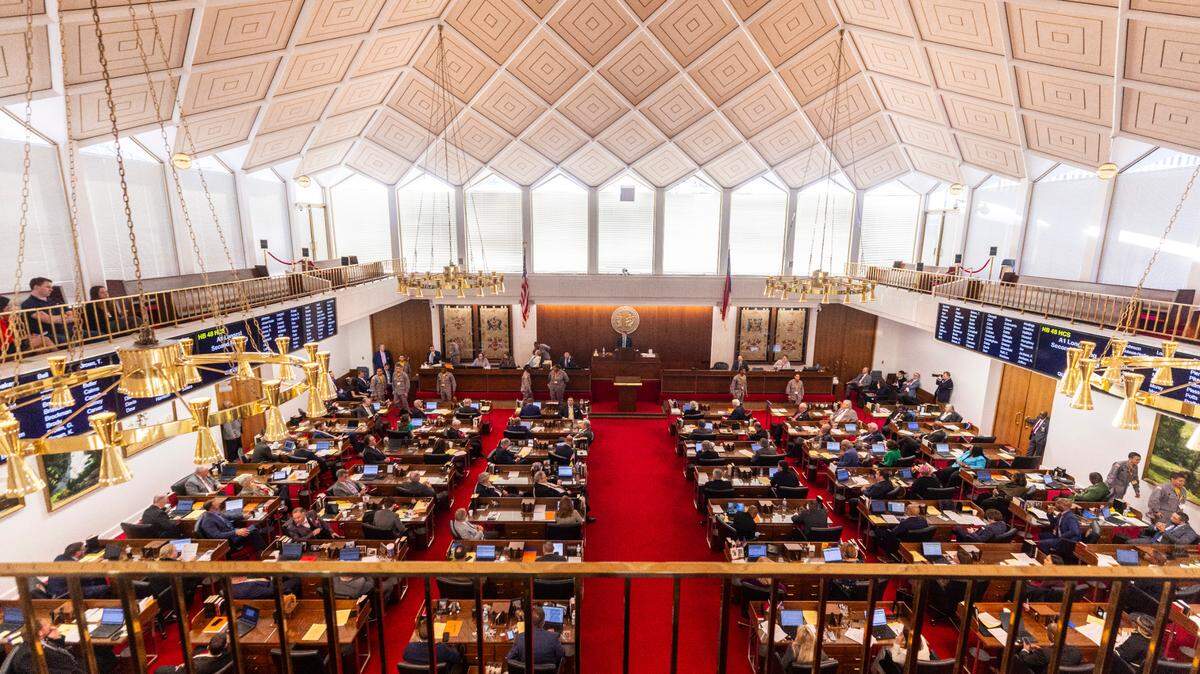
In a political moment when the federal government is rolling out sweeping new initiatives like the Department of Government Oversight and Efficiency (DOGE), North Carolina faces a choice: follow Washington’s lead by giving the state auditor enhanced abilities to recommend program and personnel cuts — or forge its own, smarter path.
While “efficiency” may sound like a no-brainer, the truth is more complicated. Federal programs like DOGE promise to streamline government, digitize oversight and consolidate agency functions. But here in North Carolina, where governance intersects with local realities, such top-down approaches often do more harm than good. As the latest Meredith College Poll shows, North Carolinians are increasingly skeptical of federal one-size-fits-all solutions — and they have good reason to be.
According to the April 2025 poll, only one in four voters (24.5%) say they trust the federal government to do the right thing most or all the time. Compare that to the 41.3% who place more faith in state government, and the message is clear: North Carolinians believe local decisions should stay local.
That’s particularly relevant when it comes to efforts like DOGE. While the stated goal is government efficiency, it’s not hard to see how this could morph into expanded federal surveillance, reduced transparency and new administrative burdens for states. What might seem like smart reform in D.C. can feel like red tape here in Raleigh — or worse, a violation of local control.
The Meredith Poll underscores that voters are paying attention to how and where decisions are made. A majority — especially independents and Republicans — express concern about federal overreach. And it’s not just ideology at play. Voters are deeply focused on practical issues: education, health care and the economy. These are areas where North Carolina has historically taken a leadership role — and where importing a federal model like DOGE could do more harm than good.
Take education, for example. The poll reveals that over 52% of respondents think public education in North Carolina is headed in the wrong direction. That’s a serious problem — but it’s also a strong argument for state-led reform tailored to North Carolina’s specific needs. Slapping a federal framework onto an already strained system won’t fix anything. It’s more likely to bury schools in compliance paperwork while ignoring local context, from rural broadband gaps to teacher shortages in specific districts.
Then there’s the issue of political identity. North Carolina is not a red state or a blue state — it’s a purple one, with voters who expect balance and independence from their leaders. Policies that come directly from Washington tend to be viewed with suspicion, particularly when they’re perceived as out of step with local values. For a federal program like DOGE to gain traction here, it would need to reflect bipartisan support, operational transparency and a deep understanding of local systems — none of which are hallmarks of recent federal rollouts.
Let’s also be clear about cost. Cutting federal agencies like the education department or FEMA and their related programs means states like North Carolina have to fill the void, almost certainly requiring new infrastructure, new staffing and new layers of oversight — a huge additional expense for North Carolina in the name of the national government achieving “efficiency.”
In the same way, the DAVE Act, which was proposed in April and would give power to the state auditor to recommend major changes in state agencies and programs, would push those responsibilities down to the county and city level. Most counties and cities in the state simply cannot handle these extra costs, so major voids in services that North Carolinians desire and rely upon would be created.
This isn’t about being anti-federal. North Carolina has benefited from smart collaboration with Washington — from disaster recovery to public health funding. But partnership is different from mimicry. DOGE is not a policy designed with North Carolina in mind. It’s a federal experiment looking for a place to land. We shouldn’t volunteer to be the test case for replicating DOGE on a state level, especially since there is no indication that DOGE is helping combat inefficiency, and may in fact be making it worse.
Instead, let’s lead. Let’s focus on building policies rooted in local knowledge and responsive to our diverse communities — from Nag’s Head to Asheville, from rural counties to urban centers. That’s how we make government more efficient: not by importing acronyms from D.C., but by empowering the people who know this state best.
Let Washington chase DOGE. North Carolina has bigger priorities — and better ideas.