
At least 6 NC species face severe threats from new Trump administration proposal | Opinion
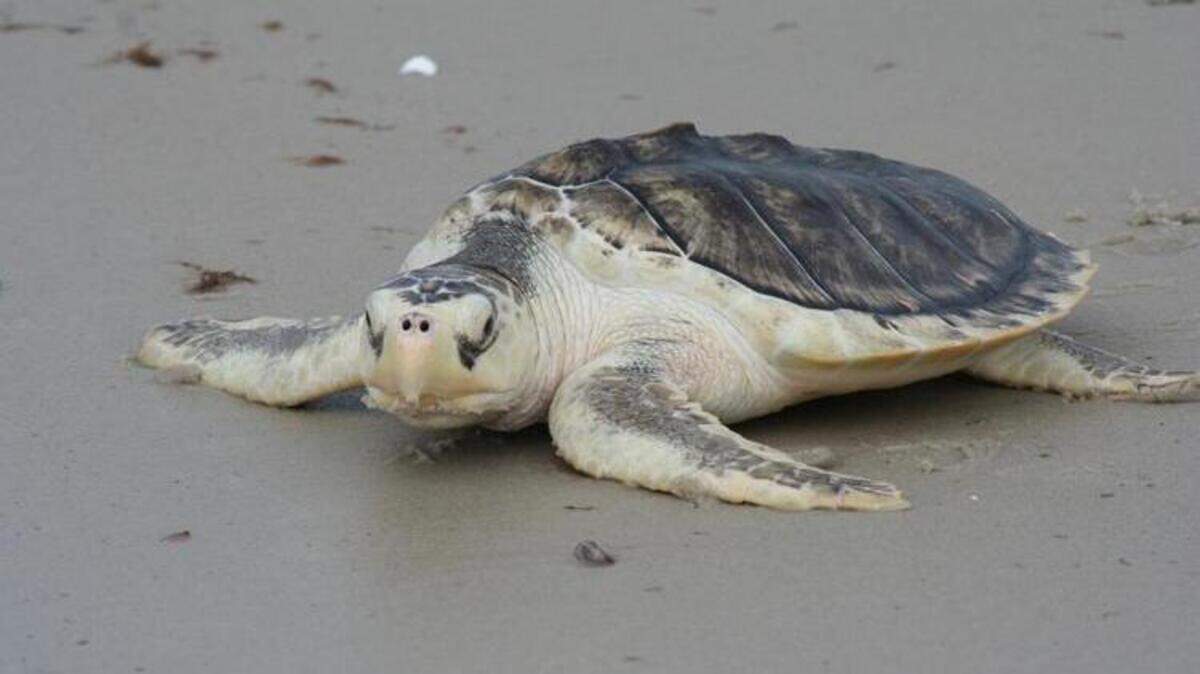
The Endangered Species Act (ESA) is under attack. The Trump administration is proposing changes in the ESA regulations to rescind the definition of “harm.” That would eviscerate the effectiveness of the act. Such a change would have an immediate impact here in North Carolina. We have several federally endangered species, including the Red wolf, Atlantic sturgeon, Kemp’s ridley sea turtle, the Carolina northern flying squirrel and the Bog turtle. Other mammals, birds, amphibians, fish, insects and mussels are considered threatened or of concern. This is the biodiversity of our state!
The 1973 act makes it very clear that its purpose is not only to prevent the direct killing of imperiled species, but to protect the habitats that support them. The act recognized that, as a consequence of economic growth and development untampered by adequate concern for conservation, species were becoming imperiled. The purpose of the act is to provide a means whereby the ecosystems upon which endangered and threatened species depend may be conserved, and it requires that all federal departments and agencies seek to conserve these species and their habitats.
The act has been successful in saving from extinction and returning to viable numbers such species as the Bald Eagle, River otter, Grizzly bear, Wood duck and a plethora of fish and amphibians. It continues to protect Right whales, the California Condor, Black footed ferrets and a host of others. If enacted, the proposed change to the ESA will lead many of these species to go the way of Ivory-billed woodpecker – now extinct in North Carolina.
We disagree with the premise of the proposed rule change that Congress did not intend for the word, “take,” as used in the current regulations, to not include destruction of habitat as a component of “harm.” The term “take” as defined in the act includes harm to or harassment of a species, and given the descriptions of the purpose and application of the act in Sections 2 and 10, it is clear that the intent of Congress was to include habitat as a component of the term. Thus the proposed rescinding of the definition of harm to include habitat destruction in ESA regulations clearly ignores the intent of Congress in enacting the legislation, and should be immediately withdrawn.
Why is habitat for imperiled species important to us nationally and in North Carolina? Habitat loss is the leading cause of species imperilment. Analyses have reported that habitat losses affected 85% of imperiled species, including 89% of imperiled mammals, 90% of birds, 97% of reptiles, 87% of amphibians and 94% of fish, with another study reporting that 95% of imperiled species were affected by habitat loss as a primary factor in their declines. To remove habitat protection from the Act would makes it nearly ineffective in carrying out its intended purposes.
The American public strongly supports an effective ESA. Public surveys reported that 84% of Americans support the ESA, and 67% believe that protecting biodiversity should be a national priority, with a second survey reporting that 80% of the public supports the ESA. Clearly gutting the effectiveness of such an important and strongly supported act of Congress is not in the nation’s best interest as expressed by its citizens.
We strongly oppose the proposed change. We do so on the basis that it would completely undermine the intent of the ESA as passed by Congress, would cause irreparable harm to imperiled species in the U.S. and North Carolina, goes against strong public support for the Act as currently regulated, and is based on the erroneous premise that the term that is clearly defined in the act and further supported in the regulations has been improperly applied.
This story was originally published May 21, 2025 at 5:00 AM with the headline "At least 6 NC species face severe threats from new Trump administration proposal | Opinion."