Former NC auditor has thoughts — and advice — on probe of Charlotte’s settlement | Opinion
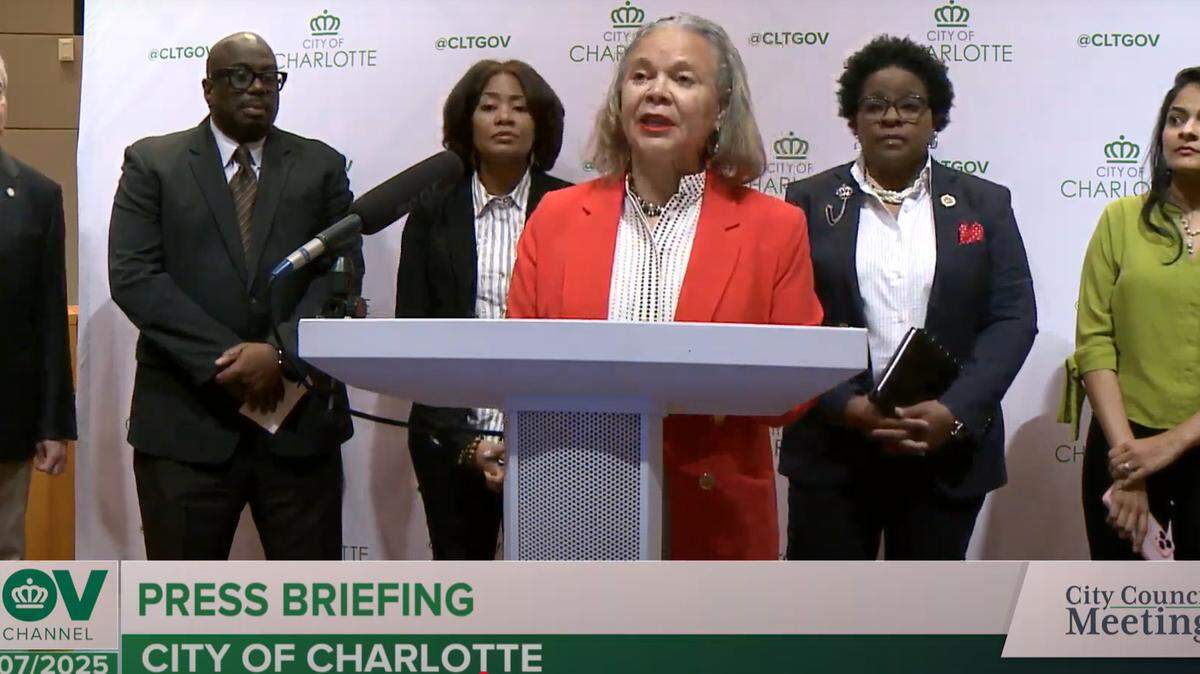
North Carolina State Auditor Dave Boliek informed Charlotte leaders Tuesday that he would investigate a reported settlement between the city and Charlotte-Mecklenburg Police Chief Johnny Jennings. Boliek wrote in a letter to Mayor Vi Lyles that there are “serious concerns regarding the potential disbursement of public dollars outside of the public view.”
State officials getting into Charlotte’s business may seem strange. But the auditor’s job is to investigate cases of alleged waste, fraud or abuse of taxpayer dollars at both the state and local level and hold public bodies accountable for them, former State Auditor Beth Wood told me. Still, an investigation into a city as large as Charlotte is somewhat unusual. Wood said that during the 14 years she served as auditor, the largest city she recalls investigating is the city of Goldsboro, which has a population of around 33,000. Goldsboro was audited in 2022 for possible mismanagement and misappropriation of funds.
The settlement between Jennings and the city of Charlotte reportedly occurred during a closed session earlier this month, and city officials have largely been tight-lipped about the details. The exact dollar amount of the settlement is unknown, and questions remain about whether it should have been paid in the first place, given that a lawsuit didn’t yet exist. But Wood also questioned whether the auditor has any authority to investigate the settlement in the first place.
Whether the decision to settle was right or wrong is not for the auditor to decide, Wood said. Rather, the auditor’s job is to investigate potentially unlawful activity, including misappropriation of funds, embezzlement and misuse of power, and refer its findings to law enforcement if necessary. But given that state law allows cities to vote on settlements during closed session, the settlement itself may well have been lawfully made, Wood said.
“Those council members made a decision, and I’m not sure there’s anything anybody can do about it, right or wrong, good or bad,” Wood said. “And I’m not saying it was the right thing to do. I’m saying it appears that they went by the book on what they did.”
Of course, it’s hard to say conclusively that nothing unlawful occurred, given that we know so little about the settlement in the first place. That lack of transparency seems to be of particular concern to Boliek, who urged the mayor’s office to quickly release information about some of the “more pressing questions.”
“The Office of the State Auditor will be asking how much money has reportedly been paid, whether a payment exists, where did money for a payment come from, and several other pertinent questions,” Boliek wrote in his letter. “Even if the payment was worth one penny, it should be disclosed to the public in a timely and transparent matter. There is no tax dollar free from public scrutiny.”
There are more questions to be answered as well, including why the settlement was recommended without legal grounds and whether it was agreed upon using improper procedure. The decision to settle, even if it was a legal one, is iffy at best, and a lack of transparency only heightens public suspicion.
But is getting answers to those questions an issue for the state auditor? Perhaps not.
“There’s quite a bit of those kinds of decisions that get made. I mean, should you have made that decision? No, but was it illegal? Was it even an abuse of power? If not, then as the auditor, you’re done,” Wood said. “Even though it’s a bad decision, you’re done.”