
The Trump administration has put NC in much greater peril during hurricane seasons | Opinion
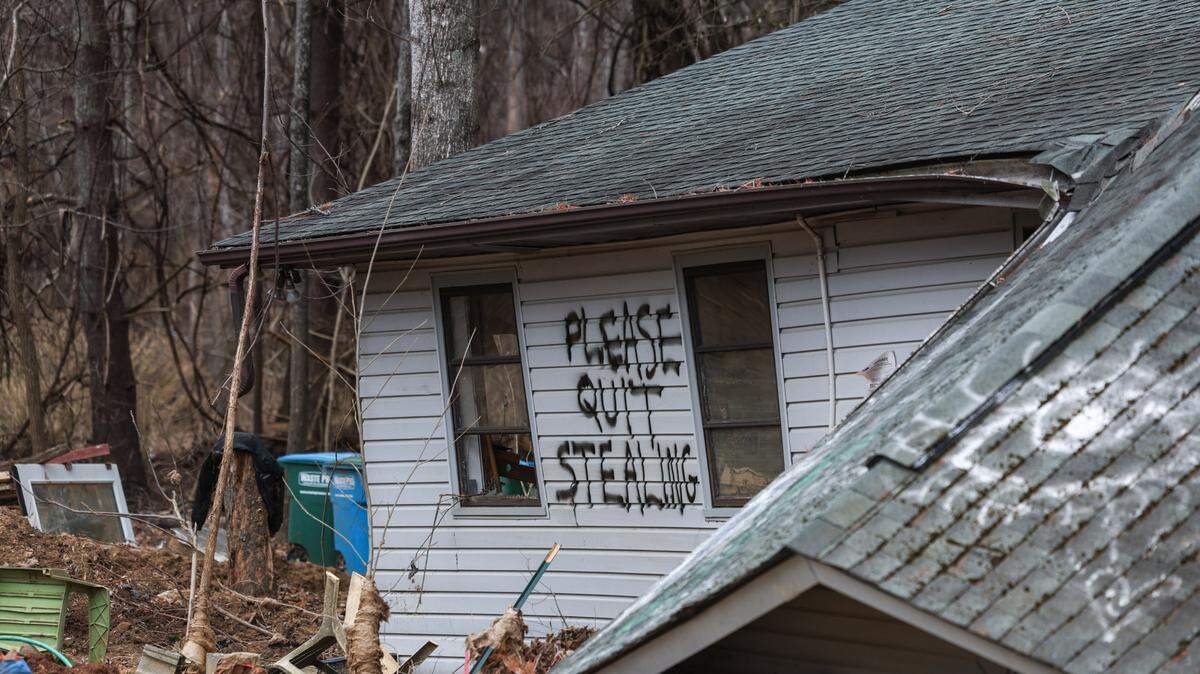
Eight months ago, Hurricane Helene devastated homes, businesses, farms and livelihoods in North Carolina, the state I call home. When the storm hit, I watched the devastation unfold across the local news and social media. Today, many families and communities are still recovering — trying to rebuild homes, bridges and businesses — with support from all levels of government as well as churches, nonprofits and countless volunteers.
On June 1, we began another active hurricane season, and as a flood policy expert, I’m deeply concerned that, from our mountains to our coasts, we are significantly less capable of handling the foreseeable impacts of future hurricanes.
Since taking office, President Donald Trump and his administration have systematically dismantled the federal emergency response and disaster preparedness system that has supported Americans for decades, and they have cut programs that protect lives and save taxpayers money when disasters hit.
Without sharing a better path forward, the administration unilaterally froze billions of dollars in disaster payments to communities, fired thousands of workers that keep America safe and weakened the nation’s pre-disaster planning and mitigation. While we should explore ways to improve service and operations, these recent changes to the Federal Emergency Management Agency (FEMA) are unjust, ill-informed and in some cases, illegal.
When it comes to weather disasters, the best defense is having a strong offense. Building protective measures before storms hit reduces flood risk in communities. Protective measures can include both hard infrastructure projects like flood walls and road elevation, and natural infrastructure solutions like floodplains and wetlands.
Importantly, these measures mean dollars saved. Research shows that one dollar spent on resilience efforts is estimated to save $13 in avoided damages, clean-up costs and economic impact. For instance, the Building Resilient Infrastructure and Communities (BRIC) program, one of the nation’s largest disaster preparedness programs, helps states cover the cost of pre-disaster strategies by elevating buildings, securing or developing flood protection measures. The program is popular, and it passed with bipartisan support and was signed into law in President Trump’s first term.
Despite this, the administration directed FEMA to defund BRIC, which will affect many communities that are preparing for disasters. North Carolina alone had 75 projects across the state selected for BRIC funding, many of which are dedicated towards flood control. But our communities have lost access to at least $164 million in BRIC funds, putting as many as 48 local projects in limbo and with budget gaps.
Making matters worse, the administration ordered FEMA to stop enforcing a rule intended to get damaged homes, businesses and roads out of future flood waters. Without this commonsense rule, more people may be in danger during future storms, and taxpayers will be on the hook for bigger disaster funding bills.
Moreover, at the expense of downstream communities’ safety, there is grave concern for North Carolina’s wetlands and streams, which strongly depend on federal protections. Following a 2023 Supreme Court decision, which drastically scaled back federal wetland protections, the administration released plans to eliminate most protections for wetlands and smaller streams under the Clean Water Act. This disregards science and ignores how important wetlands are for reducing flood risk. For example, a single acre of wetland can soak up 1.5 million gallons of water, preventing it from reaching homes and businesses.
Recent actions taken by the administration put communities at greater risk during hurricane seasons, which is hard to stomach after witnessing the immense devastation Helene had in North Carolina last year. We saw so much generosity from neighboring states after the storm, so we know there is a shared desire for resiliency across the country. But by limiting North Carolina’s ability to build back smarter and safer, the federal government is disregarding the safety of our families, friends and community members. Not to mention, these actions will cost taxpayers billions more in future disaster relief.
It’s time for our congressional lawmakers and leaders to put a stop to the Trump administration’s unjust, unilateral actions, which weaken our ability to combat disaster impacts and put North Carolinian communities in danger.