Amazon brings promise and risk to a rural NC county | Opinion
Amazon announced earlier this month that it would invest $10 billion to build a data center campus in Richmond County, creating at least 500 new high-tech jobs in cloud computing and artificial intelligence innovation. It is the largest capital investment in the history of North Carolina, with the potential to transform a now-quiet rural community that once thrived off of industrialization. But is the area prepared to handle the impact?
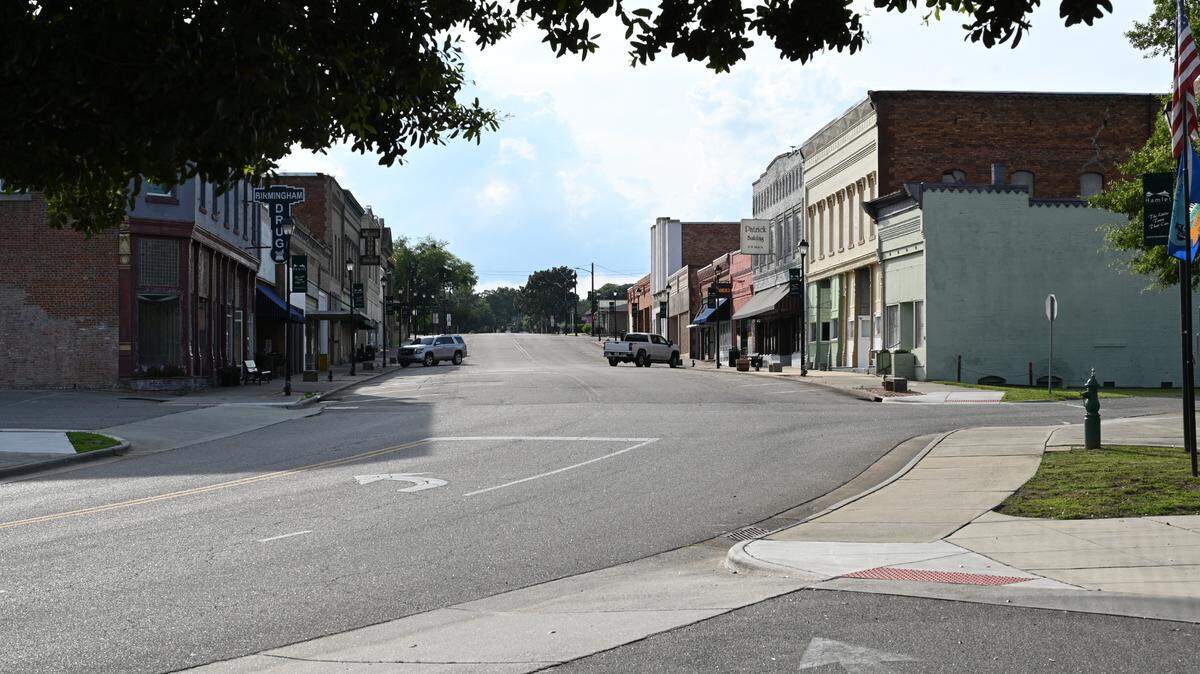
Richmond County is 70 miles east of Charlotte. Hamlet and Rockingham, the two biggest municipalities, used to be textile towns. Hamlet was a railroad hub. The region experienced an economic downturn after the 1970s when the textile industry left. It’s mostly been in a slump since.
It’s a rural region primarily known for its speedways and its wilderness. Now, the pines and back roads could be the backdrop for a brighter future.
Returning to industry
The mayor of Rockingham, John Hutchinson, is an amateur historian. His office is full of pieces of the county’s past—daguerreotypes, art and baseball caps. He is still digesting the significance of the deal.
“I don’t think the real impact of what it means has reached people. People are still trying to grasp what it really is,” Hutchinson said.
Hutchinson is convinced the deal happened because of the faith residents put in their community. To him, it proved Rockingham could do big things. The numbers in the investment deal signal unprecedented growth and influence. It’s a $10 billion dollar investment in a county whose entire property tax base is currently $3.5 billion. Richmond County gave Amazon an 20-year incentive grant, which effectively functions as a tax rebate. In order for Amazon to keep the incentive, it must deliver at least $1 billion of cumulative capital investment to the county.
Just for perspective, even the lowest possible number for the deal would amount to nearly one-third of all the county’s relevant property tax.
Martie Butler, the county’s economic developer, said the county was expecting the tax dynamics to change quickly. Now the county is developing a strategic plan to help officials grow the right way and reach ground rules. The plan is still up in the air.
Hutchinson later showed me the town in the searing heat. The most prominent sight in the town is Great Falls Mill. It’s a ruin of a mill on the side of the exit road, a visual token of lost prosperity. Now that prosperity may be returning, in part because local leaders never gave up on the possibility that it would.
State senators and former mayors continued to fight for the town after the mills left. They brought in the Duke Energy plant and the I-73/74 corridor, which kept the town as a transportation hub. The county kept building, preparing for developments way larger than what they needed. It paid off. The data center will be right across the street from the energy plant. Hutchinson said this was carefully planned.
Hutchinson isn’t worried about the town growing too much. He has total faith in the leaders of the county and town. Hutchinson said towns can lose their identity with growth, but he believes it’s possible for Rockingham to grow and not lose its character.
“You know, somebody wins the $100 million dollar lottery, and they get excited and blow it all and have nothing to show for it. We’ve watched things like that and said, ‘That’s not going to be us,’” Hutchinson said.
Land of opportunity
The drive to Hamlet from Rockingham is bridged with construction, high grass, and religious billboards that warn of the sins of man.
Energy Way Industrial Park lies on the outskirts of both cities. It’s 800 acres of low pines. In the past, the land was used to harvest lumber and pine straw. It has a steady stream of water siphoned from the Pee Dee River. There is both a source and separate location for recycling AI waste water.
Mingo Crowley sits in his Chevrolet in front of the lot. He was the consultant for the land. He gave tours of the lot to potential buyers, often cleaning up the lot in his spare time. He looks at the trees.
“This is a diamond mine, there’s a lot of diamonds in that sand. You see pine trees. I see diamonds,” Crowley said.
Crowley was born in Hamlet. Most residents above the age of 50 have an anecdote about the rail days. Crowley said there used to be movie theaters and nice restaurants, but those types of businesses haven’t been around since the 80s.
“There’s a lot of things that we had then that we don’t have now. We went backwards 20 years,” Crowley said.
Crowley, who is a vice president of an engineering consulting firm, has seen dozens of lots like this, but he is most excited about this one. His children can have the lives he had. The property tax will benefit education and the quality of life will improve.
Crowley said the Amazon data campus is bigger than the railroad first coming to town. He thinks the deal has the potential to change the county for the better.
“We didn’t know where the bottom was. We are there. Now, we are coming out,” Crowley said.
A risky effort
So what’s the downside? Most local officials expressed absolute belief in Amazon, but many recent big business announcements, such as an Apple campus and VinFast production center, have been slow to get off the ground. There are also always risks of an area growing too fast. There could be planning and zoning issues, and shortages of housing and resources. Less than 10,000 people live in each city now — are they prepared for a potential influx of new residents?
There are also ethical problems about how Amazon treats their workers. Crowley said he couldn’t attest to Amazon’s past, but he said there was a difference between working at a fulfillment center and working at a data center. There are questions about the possibilities that AI data centers have a high cancer risk for workers.
“When it comes down to it, if you don’t want cancer, don’t work there. Cancer is all around us to begin with,” Crowley said.
Prosperity matters in this region. To Crowley, this facility is the best possible scenario for an area so big. Data centers are the way of the future, Crowley said, and they run cleaner than power plants. He said the deal is like winning the lottery. The only thing that he says could go wrong is the urge to dictate the process.
“Politics and control. That’s the biggest problem. Whatever party you’re affiliated with, it gets back to control,” Crowley said. “When control means more than your life, citizens, your life, your country, you lose.”
Despite the unbridled optimism of local leaders, it’s hard to say what the future holds. I think of the symbols of Richmond County. There is Great Falls Mill. To some, it represents the fallen industry of Rockingham, a visual defeat. But past the failures of vine and brick, there is the same river that brought prosperity before. The people never gave up. The rivers flow and the machines hum. Richmond County will move forward again.
This story was originally published July 6, 2025 at 5:00 AM.