
Dental emergencies don’t always mean a trip to the emergency room | Opinion
It’s 2 a.m., and a searing toothache jolts you awake. Your first thought: the emergency room. But while ER doctors can ease your pain temporarily, they often can’t treat the underlying dental problem — and sometimes that means losing a tooth that could have been saved.
This is a growing problem. According to the American Dental Association, someone visits a hospital emergency department for dental pain every 15 seconds — more than 2 million visits each year. Many of these cases would be better managed by a dental specialist.
So who treats dental emergencies best? Endodontists are dental specialists who focus exclusively on the inside of the tooth — the dental pulp and root tissues. Using advanced techniques like root canal therapy, endodontists work to save teeth that might otherwise be lost. The American Association of Endodontists recommends that patients with dental pain or trauma seek specialized dental care before heading to the ER. As a board-certified endodontist and member of a professional committee within the AAE, I’ve seen firsthand how timely, expert care can preserve natural teeth and prevent unnecessary extractions.
While tooth extraction may seem like the quickest solution, it can have lasting consequences. Studies show that adults age 20 to 64 with a history of tooth loss are significantly more likely to lose additional teeth over time. According to Centers for Disease Control and Prevention data, the average adult in this age group has lost seven teeth — and nearly 1 in 5 adults age 65 or older have lost all of theirs, often because of untreated dental issues that escalated. Tooth loss can impair chewing, speech and self-esteem, and it’s linked to poorer nutrition and overall health.
Knowing when and where to seek emergency care can make all the difference. Go to the emergency room if you experience facial swelling that affects breathing or vision, trauma with heavy bleeding or signs of a spreading infection such as fever or difficulty swallowing. For severe tooth pain, a cracked or knocked-out tooth, or a lost crown, contact your dentist or an endodontist promptly. These issues are often manageable without hospital intervention.
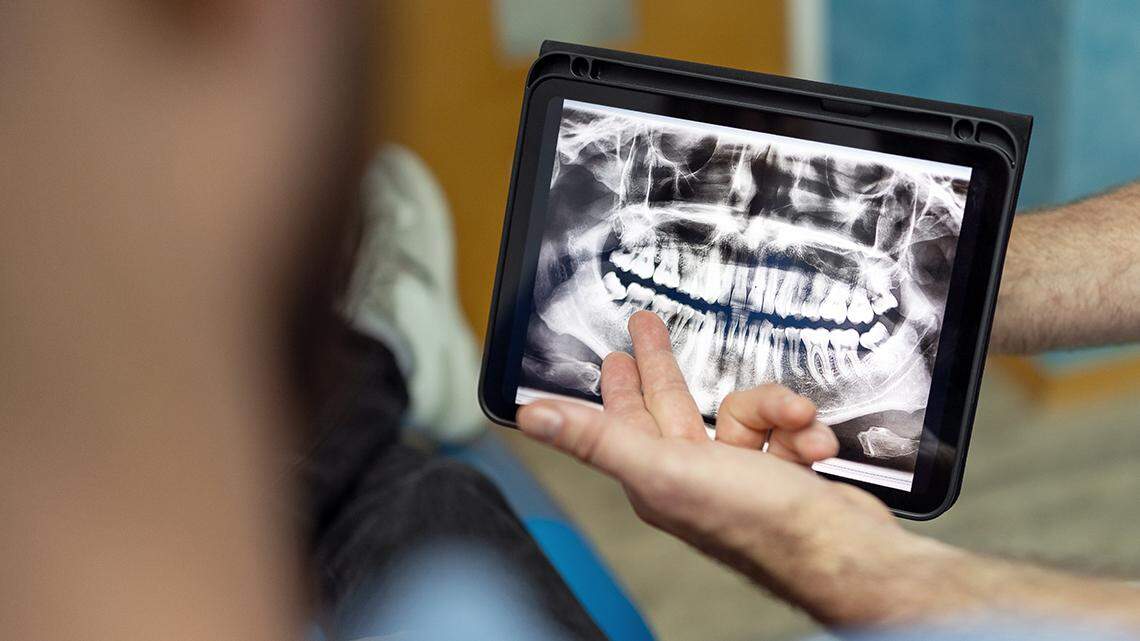
At my practice in Prairie Village, I reserve time each day specifically for dental emergencies. When someone’s in pain, being seen quickly can make all the difference — not just to relieve discomfort, but to save the tooth. With today’s advanced imaging and root canal techniques, many dental emergencies can be resolved effectively in a specialist’s office. Keeping your dentist’s or endodontist’s contact information handy can help you avoid unnecessary ER visits and preserve your smile.
Dental emergencies don’t always mean rushing to the hospital. With timely care from a specialist, many teeth can be saved — and that’s worth knowing before the pain starts.
This story was originally published June 20, 2025 at 8:02 AM with the headline "Dental emergencies don’t always mean a trip to the emergency room | Opinion."