
Thom Tillis is worried about the wrong consequence of the Big Beautiful Bill | Opinion
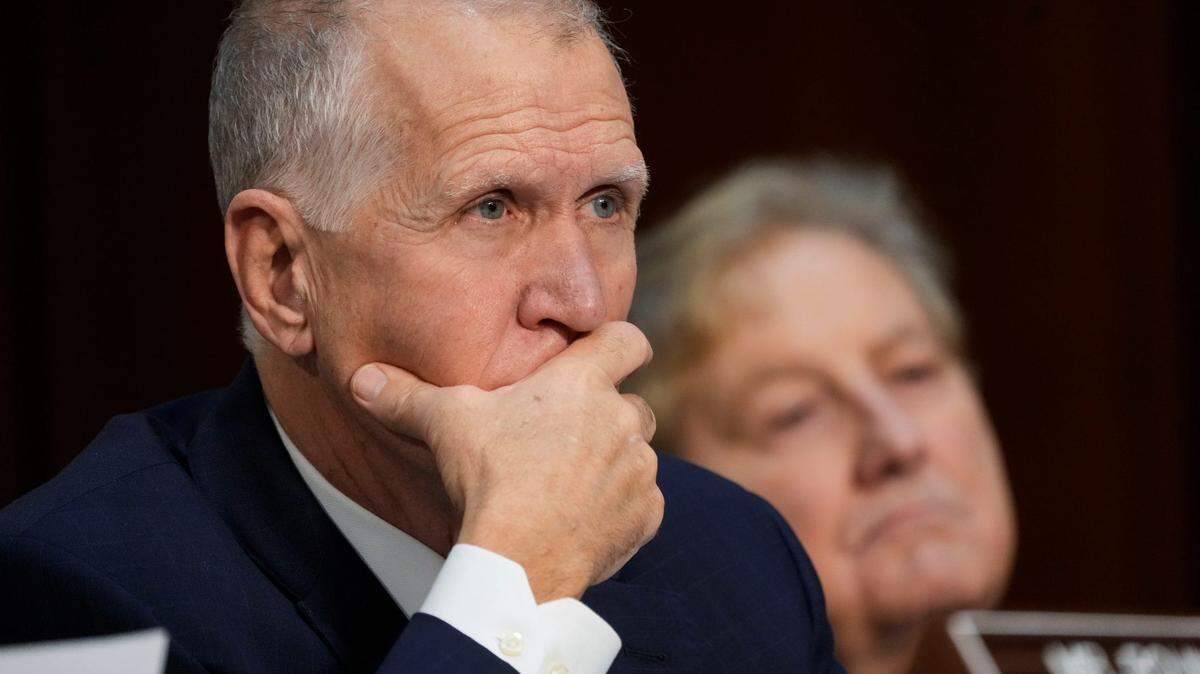
North Carolina Sen. Thom Tillis is warning his colleagues that the Medicaid cuts Republicans are proposing will become a political millstone for the party during the 2026 midterm elections the way Obamacare was for Democrats in 2010. His comparison is telling, particularly about how the politics of healthcare have changed in such a short period of time.
But he’s wrong.
On March 3, 2010, President Barack Obama signed the Patient Protection and Affordable Care Act into law. About eight months later, Obama said that Democrats had been “shellacked” during midterm elections. He was not exaggerating.
Republicans gained 63 seats – the largest seat-pick up since 1938 – and easily regained control of the House. The GOP also picked up six Senate seats, 675 in state legislatures, and took over North Carolina’s Senate for the first time since just after the end the end of the Civil War. South Carolina’s John Spratt, a powerful Democrat who then chaired the House budget committee, was also shockingly ousted.
Though such a political outcome is never about one thing, many analysts and political strategists were convinced backlash against the ACA fueled the GOP’s victories. That’s what Tillis is afraid could happen to the Republican Party in 2026, a backlash against steep Medicaid cuts fueling big Democratic gains. He’s most assuredly skittish about his own political future. He’s considered one of the most vulnerable senators running for re-election next year.
But even if Democrats make huge political gains, it would be nothing like 2010. That year, Democrats got punished for helping poor and working-class Americans. Republicans could get punished next year for hurting the poor and working-class. The House version of Trump’s Big Beautiful Bill could mean 11 million fewer Americans will have healthcare access. It would also reduce food stamps and other safety net programs by billions of dollars, and transfer money from the poor to the wealthy while adding a few trillion dollars to the country’s deficit.
According to research from the University of Chicago, Medicaid expansion through the ACA has saved the lives of at least 27,000 poor Americans. That number would have been more than 40,000 saved lives had every state Republican-run state had embraced Obamacare and doesn’t include the millions of lives undoubtedly improved. South Carolina has not expanded Medicaid. North Carolina only began adopting it in 2023. The Medicaid cuts proposed by Republicans might undermine even that nascent expansion, potentially costing the Tar Heel state about $39 billion in federal funding and threatening the health care of 600,000 Tar Heels, according to numbers Tillis has been passing around.
The ACA has pushed the country’s health care system forward, making it accessible like never before to poor people, those with pre-existing conditions, entrepreneurs and those working for small businesses who don’t have access to employer-sponsored health insurance. That Democratic politicians got punished for doing the right thing because Republicans were successful in demonizing Obamacare by lying about “death panels” will always be secondary to that unequivocal good.
The ousted Democrats who voted for healthcare reform even knowing it would hurt them politically should point to that vote with a sense of pride. “Blue Dog” Democrats from the Carolinas lost their House seats in 2010, including those who voted for Obamacare, and those who voted against it. They were sent to Congress to represent those who can’t speak for themselves, not to hold onto power no matter the circumstance.
That should be Tillis’s focus. He should be less concerned about his immediate political fate, more concerned about North Carolinians who need him to oppose those cruel safety net cuts. Hopefully, he’s warning Republican colleagues about potential political ramifications as a ploy to get them to do the right thing, not because he’s prioritizing himself.
This is a crucial moment for Tillis. He will forever be remembered for what he does over the next few weeks before the Big Beautiful Bill makes its way to President Donald Trump’s desk. Making those in need a priority will never be a bad choice.