It’s now much harder to get a COVID shot in NC. So much for vaccine freedom. | Opinion
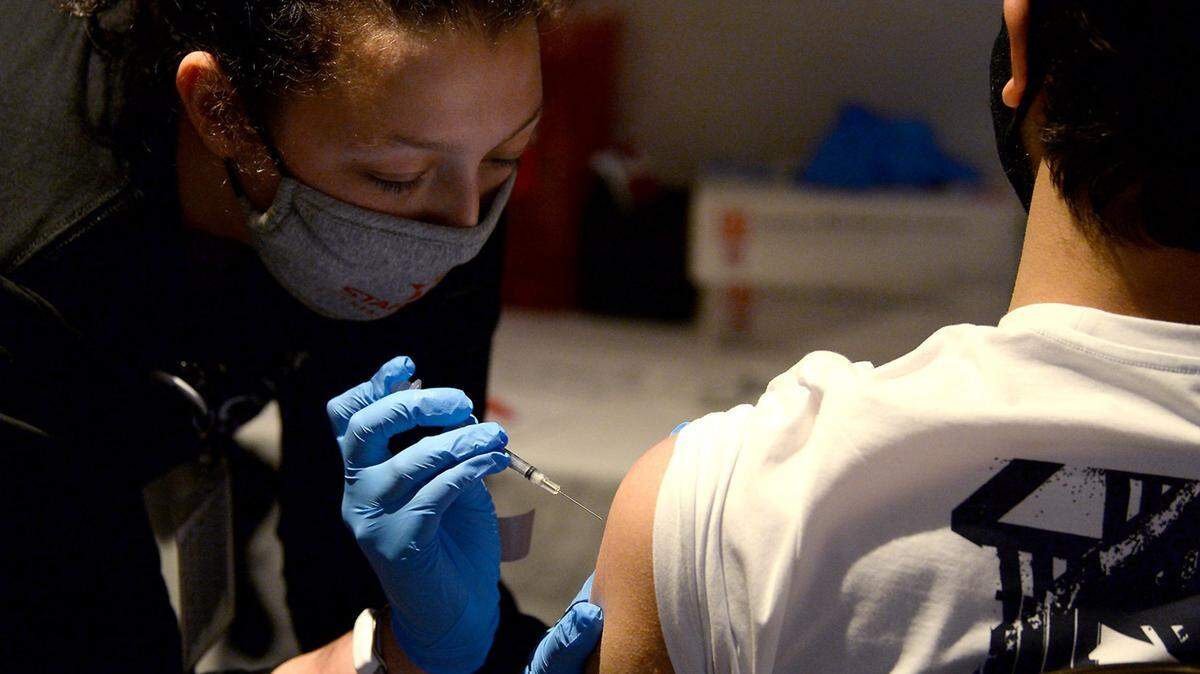
Thanks to a whole bunch of red tape, it’s no longer possible to just walk into a pharmacy and ask for the COVID-19 vaccine in North Carolina.
U.S. Secretary of Health and Human Services Robert F. Kennedy Jr. announced last week that the Food and Drug Administration will end its emergency use authorization for the vaccine and limit who qualifies for it, narrowing eligibility to adults 65 and older or those who have at least one high-risk health condition.
In North Carolina, that means everyone will now need a prescription to get vaccinated, regardless of their age or health status. Under state law, pharmacists themselves can only administer vaccines permitted by an FDA emergency use authorization or recommended by the Advisory Committee on Immunization Practices (ACIP), a panel of experts that advises the Centers for Disease Control and Prevention on vaccine policy. Since the FDA ended its emergency use authorization and the ACIP has not yet updated its recommendation, that means everyone will need a prescription, even if they meet the FDA’s new eligibility guidelines.
That was a reasonable law back when we could actually trust the government to heed the advice of doctors and public health experts. The ACIP is scheduled to meet later this month, at which point it could issue a wider recommendation for the updated vaccine, but whether that recommendation will come is unclear. Earlier this year, Kennedy fired all 17 members of the panel and handpicked their replacements, many of whom have expressed troubling anti-vaccine views.
Making it harder for people to get vaccinated is an ironic move for a party that has long claimed to center its views on vaccine policy around freedom and personal liberty. Republicans have consistently argued that people should have the freedom to refuse the vaccine if you don’t want it. Now they’re limiting the freedom to get the shot if you do want it.
Sometimes, the government must find a compromise between freedom and public health. Officials did so during the worst of the pandemic by requiring people to wear masks in public, or by requiring some employees to be vaccinated or regularly tested for COVID-19. It’s the same reason the government puts reasonable limits on owning or purchasing guns — because our freedoms are not absolute when they come in conflict with another person’s right to be free from harm. But this is not one of those cases. A person’s choice to get vaccinated does not have a negative impact on the health and safety of those around them.
Some may argue that requiring a doctor’s approval to get vaccinated is a minor step that doesn’t actually restrict people from getting the vaccine. But that ignores the reality that, for many, going to the doctor has its own barriers to access. Sometimes, it’s because people cannot spare the time or expense of a doctor’s visit. But it’s also sometimes because North Carolina, like much of the country, suffers from a shortage of primary health care providers. We rank 38th in the nation for health care access and affordability, and 93 of the state’s 100 counties have a federally designated Health Professional Shortage Area for primary care.
It’s also unclear if insurance will still cover the cost of getting the vaccine for those who no longer qualify under the FDA’s updated recommendations. Most likely, it’ll depend on your insurer, which may require you to cover some or all of the cost on your own.
Some states have already taken swift action to try to lower these new barriers to access. In Pennsylvania, the State Board of Pharmacy moved to allow pharmacists to follow recommendations of other “trusted authorities,” such as the American Academy of Pediatrics and American Academy of Family Physicians, whose recommendations are broader than those of the federal government. In Colorado, state officials have issued a standing order to allow pharmacists to provide the vaccine without a prescription. Massachusetts did the same and went a step further by requiring all insurers to cover the cost.
Here’s the thing: It’s not freedom if you now have to visit a doctor to get a vaccine that once required nothing more than a 10-minute visit to CVS. It’s not freedom if you now have to pay out of pocket for something that once cost you nothing. It’s not freedom when something that was once as accessible as the flu shot is now treated like a prescription drug. But perhaps freedom of choice only applies to choices Republicans agree with.
Paige Masten is an opinion writer and editor for the Charlotte Observer and McClatchy’s North Carolina opinion team.